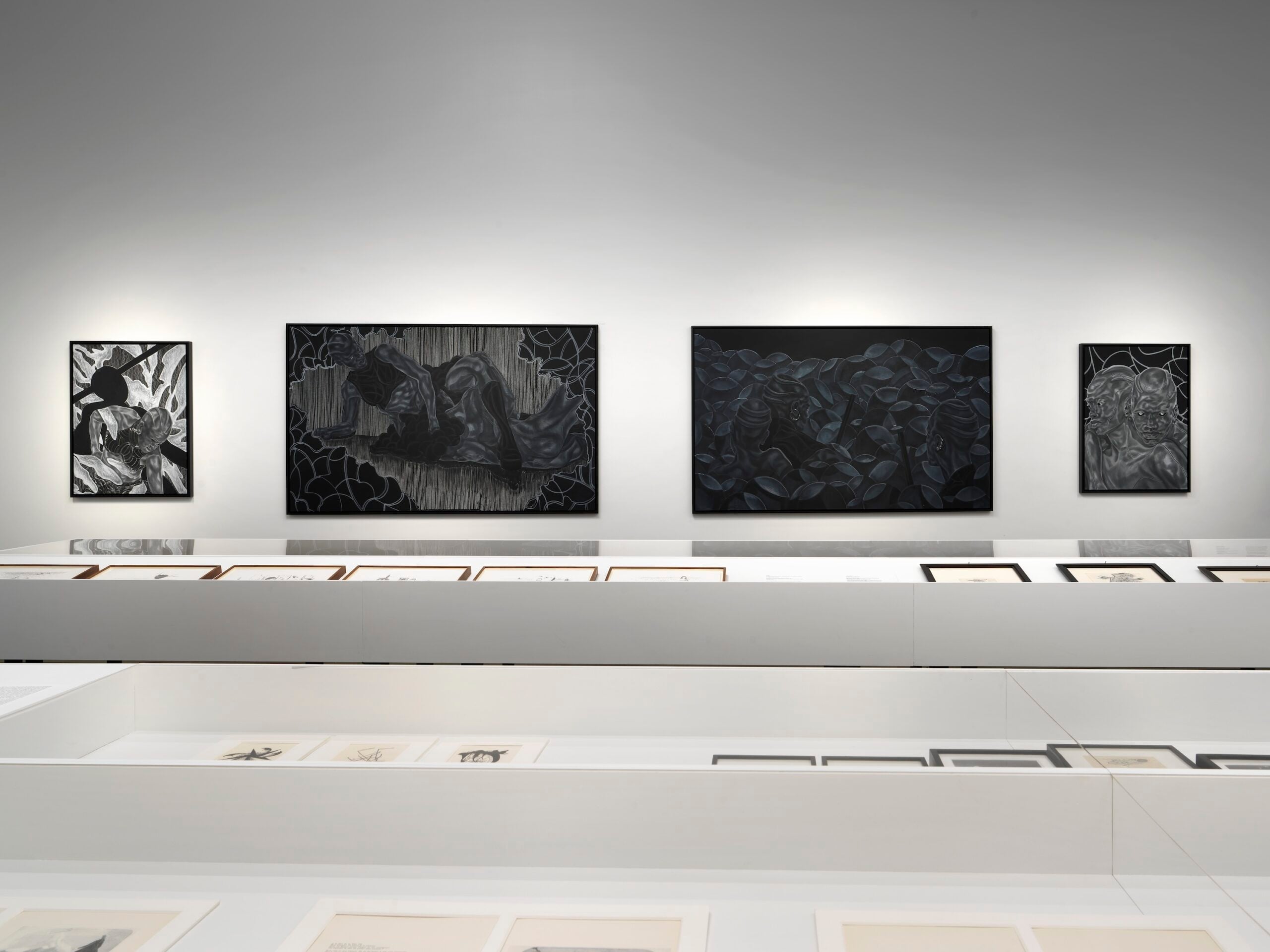
The New Museum in New York City has appointed Massimiliano Gioni as its director, promoting the curator from his previous role as artistic director to lead the institution’s strategic and operational recovery. Gioni takes the helm as the museum seeks to rebuild its visitor attendance following a two-year closure for expansion and renovation, according to official museum announcements.
Gioni, who has served as the New Museum’s artistic director since 2012, will now oversee both the creative vision and the administrative stability of the organization. The move comes at a critical juncture for the museum, which has focused on maintaining its reputation for avant-garde contemporary art while navigating the financial and logistical challenges of a prolonged shutdown.
The New Museum is known for its commitment to emerging artists and experimental exhibitions, often eschewing a permanent collection in favor of rotating shows. Gioni’s promotion signals a desire for continuity in this artistic direction while applying a steady hand to the museum’s public-facing growth and institutional health.
Gioni’s Tenure and the New Museum’s Artistic Strategy
Massimiliano Gioni has been a defining force at the New Museum for over a decade. Since joining as artistic director, he has curated high-profile exhibitions that blend historical context with cutting-edge contemporary practice. His leadership is characterized by a global perspective, drawing from his experience as a curator in Italy and his work with various international biennials.

Under Gioni’s guidance, the museum has maintained its status as a hub for the “avant-garde,” a term used by the institution to describe its focus on art that challenges conventional boundaries. This commitment remains a priority as Gioni transitions into the director role, ensuring that the museum’s identity does not shift toward more commercial or traditional models despite the pressure to increase ticket sales.
The transition to director involves a broader scope of responsibility than the artistic director role. While the latter focuses primarily on the selection of artists and the conceptual framework of shows, the director’s mandate includes fundraising, community engagement, and the operational management of the museum’s physical space in the Bowery neighborhood of Manhattan.
Recovering Attendance After a Two-Year Closure
The primary operational challenge facing Gioni is the restoration of the museum’s audience. The institution underwent a significant two-year closure to facilitate an expansion of its facilities. While the physical growth of the museum provides more space for ambitious installations, the absence of a public presence for 24 months created a gap in visitor momentum.

Rebuilding attendance requires a dual strategy: attracting new demographics while reclaiming the loyalty of the museum’s core base of art enthusiasts. Gioni’s appointment is intended to bridge this gap by leveraging his established reputation in the art world to curate “must-see” exhibitions that drive foot traffic back to the expanded galleries.
Industry analysts note that museums reopening after long-term closures often face “audience attrition,” where regular visitors form new habits at other institutions. The New Museum’s strategy involves using its expanded footprint to host larger, more immersive experiences that distinguish it from smaller gallery spaces in New York City.
The Role of the Avant-Garde in Modern Museum Management
Maintaining an “avant-garde character” while pursuing growth is a delicate balance. In the contemporary art market, there is often a tension between accessibility and exclusivity. Gioni’s task is to keep the New Museum intellectually rigorous and experimental without alienating the general public.
This balance is critical because the New Museum does not operate like a traditional encyclopedic museum. By focusing on the “now” and the “next,” the institution relies on the novelty and urgency of its programming. Gioni’s history with the museum suggests a preference for curation that is challenging yet grounded in a deep understanding of art history.
The expanded museum space allows for a more diverse range of media, from digital installations to large-scale sculptures, which Gioni can utilize to broaden the museum’s appeal. The goal is to ensure that the “experimental” nature of the museum becomes a draw for visitors rather than a barrier to entry.
Future Outlook for the New Museum
The immediate focus for Gioni will be the rollout of a new exhibition calendar designed to maximize the utility of the expanded galleries. The museum is expected to emphasize programming that reflects current global social and political climates, continuing its trend of socially engaged art.

As the museum enters this new chapter, the success of Gioni’s directorship will likely be measured by two metrics: the stability of the museum’s financial endowment and the steady increase in annual visitor numbers. The integration of artistic vision with administrative oversight is the cornerstone of this new leadership structure.
The New Museum continues to serve as a vital link in New York’s art ecosystem, providing a platform for artists who may be overlooked by larger institutions like the MoMA or the Whitney. With Gioni at the helm, the institution aims to solidify its position as the premier venue for contemporary experimentation in the United States.
The museum will provide further updates on its upcoming exhibition schedule and public programming via its official channels. Readers are encouraged to monitor the New Museum’s official website for announced opening dates and ticket availability.
Share your thoughts on the New Museum’s new direction in the comments below or share this story on social media to join the conversation on contemporary art leadership.