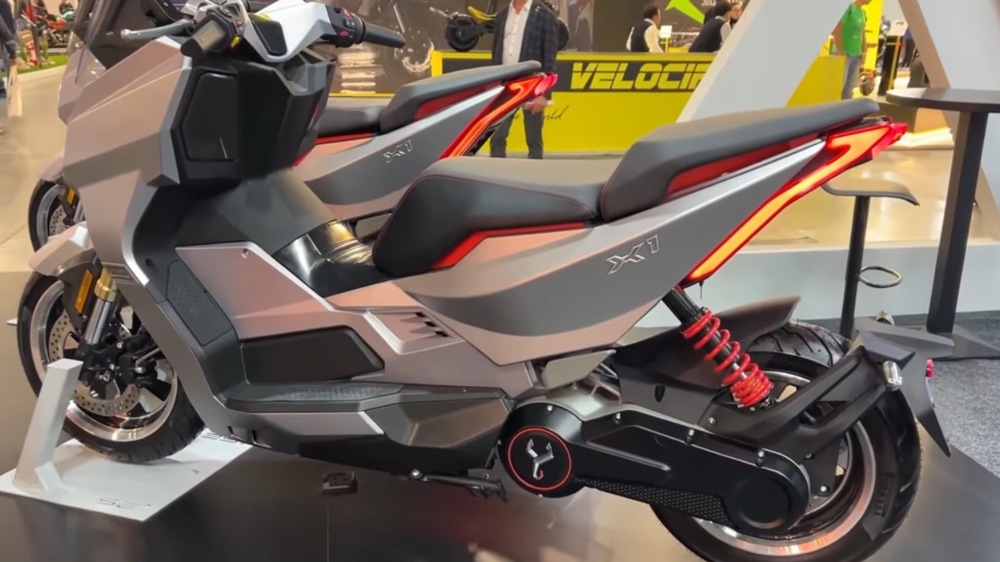
The electric motorcycle market continues to see rapid shifts as new entrants integrate established battery technology to capture consumer interest. Recent discussions surrounding the Scorpio X1 electric motorcycle have centered on its technical specifications, specifically reports of its use of battery technology associated with BYD, and a claimed driving range of 200 kilometers on a single charge. As consumers and industry observers evaluate these performance metrics, the focus remains on how such specifications align with current standards in the competitive Indonesian electric vehicle sector.
Technical Specifications and Market Positioning
The Scorpio X1 has drawn attention for its reported reliance on BYD technology, a significant factor given the Chinese manufacturer’s global dominance in battery production and electric vehicle components. According to industry reports, the integration of this technology is intended to bolster the motorcycle’s reliability and efficiency. The claim of a 200-kilometer range is a central element of the vehicle’s market positioning, placing it among the higher-range options currently available for urban and intercity commuters in Indonesia.

However, industry analysts frequently emphasize that real-world range often differs from manufacturer-stated figures due to variations in rider weight, road conditions, and ambient temperature. While the Scorpio X1 aims to address range anxiety—a primary barrier to electric vehicle adoption—the industry standard for testing remains a critical point of transparency. Prospective buyers are encouraged to monitor official product disclosures from the manufacturer to confirm technical certifications, as verified by the Indonesian Ministry of Industry, which oversees the standardization and certification of electric vehicles sold within the country.
The Role of BYD Battery Technology
BYD, or Build Your Dreams, has established a significant footprint in the Indonesian market, particularly following the company’s formal entry into the passenger electric vehicle segment in early 2024. As reported by Reuters, the company committed to a $1.3 billion investment to build an electric vehicle plant in Indonesia, signaling a long-term commitment to the local supply chain. The association of the Scorpio X1 with BYD technology suggests a strategic effort to leverage this established infrastructure to gain consumer trust.

For the average consumer, the mention of BYD technology typically implies the use of Lithium Iron Phosphate (LFP) battery chemistry, which is known for its thermal stability and longer cycle life compared to traditional lithium-ion variants. As the International Energy Agency (IEA) notes in its 2024 Global EV Outlook, the shift toward LFP batteries is a global trend driven by cost-efficiency and safety considerations in the two-wheeler and passenger vehicle markets. Whether the Scorpio X1 utilizes specific proprietary battery management systems (BMS) developed by BYD remains a key technical detail that distinguishes the model from generic electric motorcycle offerings.
Evaluating Consumer Impact and Reliability
The interest in the Scorpio X1 reflects a broader trend in Indonesia, where government-led initiatives aim to accelerate the transition to electric mobility. The government has implemented various fiscal incentives, including subsidies for electric motorcycle purchases, to lower the barrier to entry for consumers, according to the Cabinet Secretariat of the Republic of Indonesia. For a new model to succeed, it must not only provide the advertised 200-kilometer range but also ensure that a robust after-sales and maintenance network is in place.
The reliance on third-party technology providers like BYD creates a dependency that requires long-term service agreements. Consumers are advised to verify the warranty terms provided by the local distributor, as these documents remain the only legally binding guarantee regarding battery performance over the life of the vehicle. Monitoring official announcements regarding the availability of spare parts and service centers through the manufacturer’s verified digital channels is essential for potential owners.
Future Industry Developments
As the electric motorcycle sector in Indonesia continues to mature, standardization of testing protocols will likely become more stringent. The Ministry of Industry is expected to continue its oversight of vehicle safety and performance standards to ensure that claims regarding battery capacity and range are accurate and verifiable. Future updates regarding the Scorpio X1, including official test ride data or independent range evaluations, will be critical in confirming whether the vehicle meets the high expectations set by its initial specifications.

Industry stakeholders continue to track the growth of the electric two-wheeler market, with data from the Financial Services Authority (OJK) often reflecting the financing trends associated with these new vehicle categories. For those interested in the latest developments, keeping an eye on upcoming automotive trade exhibitions and official press releases from the manufacturer will provide the most reliable information. We invite readers to share their thoughts or experiences with electric vehicle performance in the comments section below as the market continues to evolve.