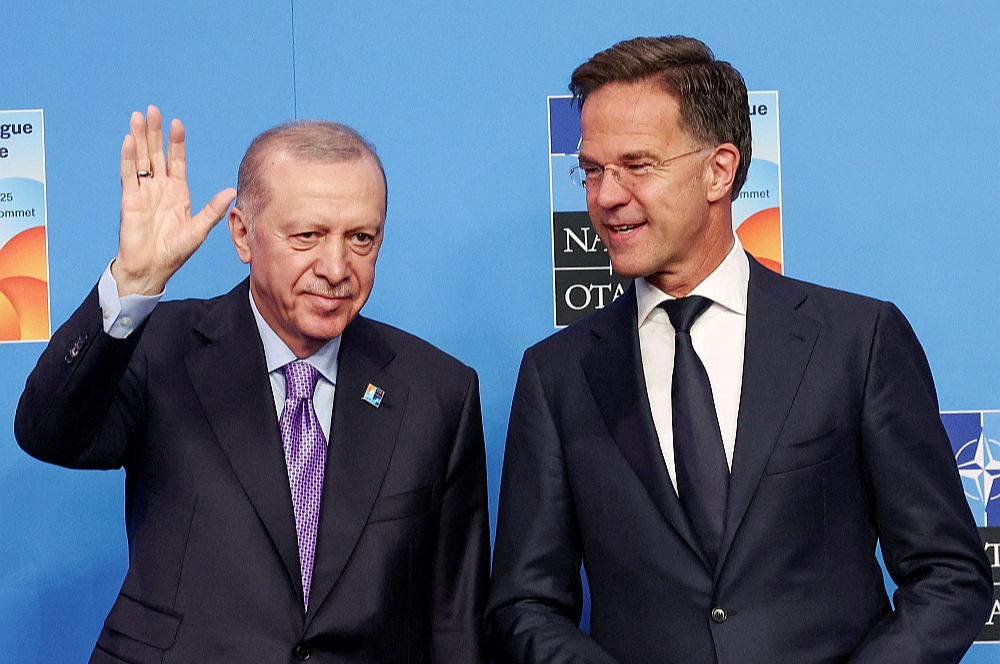
As security concerns across Europe intensify, Turkey is playing an increasingly central role in NATO’s strategic planning and defense architecture. Heightened regional instability and the evolving nature of modern warfare have prompted the alliance to prioritize rapid reinforcement of its collective defense capabilities, with Ankara serving as a critical partner in managing both southern flank security and expanded technological cooperation among member states. According to recent NATO official documentation, the alliance is currently navigating a fundamental shift in its security posture, necessitated by persistent geopolitical tensions and the modernization of military threats.
The urgency of these developments was underscored by recent high-level discussions regarding the alliance’s long-term defense spending. To counter emerging threats—specifically the proliferation of low-cost, high-impact unmanned aerial vehicles—NATO allies have committed to significant financial investments. Reports indicate that member states are planning to allocate approximately $40 billion toward advanced air defense systems and drone countermeasures, a move designed to bolster the integrity of the alliance’s airspace against asymmetric warfare tactics.
Strategic Shifts in European Security
The current security environment in Europe is widely characterized by officials as a new, more volatile era. European Commission leadership has repeatedly emphasized that the traditional security frameworks established in the post-Cold War period require comprehensive updates to address contemporary realities. This transition is not merely rhetorical; it involves a tangible shift in how NATO members allocate resources, coordinate intelligence, and integrate their national defense industries.
Turkey’s geographic position makes it a cornerstone of this transition. By controlling the maritime gateways to the Black Sea and maintaining the second-largest standing military force within the alliance, Turkey provides a unique buffer and projection capability that other European members cannot easily replicate. Recent NATO strategic assessments highlight that cooperation with Ankara is vital for maintaining stability in the Mediterranean and the wider Middle East, regions that directly impact the security of the European continent.
Defense Procurement and Technological Integration
The commitment to spend $40 billion on drone defense represents a pivot toward addressing the specific vulnerabilities exposed by recent conflicts. NATO allies are moving to standardize technology and procurement processes to ensure that different national armies can operate seamlessly in a contested environment. This push for interoperability is a primary objective for the alliance’s leadership, as fragmented defense systems are increasingly viewed as a liability.

For member nations, including those on the alliance’s eastern flank, the focus remains on three core pillars: enhancing rapid response forces, securing supply chains for critical munitions, and integrating advanced drone-detection radar networks. The logistical challenge of deploying these assets across diverse geographic theaters requires a high degree of coordination with Turkey, which has emerged as a significant producer of tactical unmanned systems. The integration of these assets into the broader NATO command structure is expected to be a primary topic of discussion during upcoming ministerial and summit meetings.
Geopolitical Implications of the Current Security Climate
The relationship between Turkey and its NATO allies remains complex, characterized by both strategic necessity and occasional diplomatic friction. However, the current security climate has forced a pragmatic realignment. European leaders, facing pressure from domestic constituencies concerned about migration and border security, are increasingly looking to Ankara to manage the external borders of the alliance. This dynamic grants Turkey additional leverage in its negotiations with Brussels and Washington, as the stabilization of these borders is essential for the internal cohesion of the European Union.
The next major checkpoint for these initiatives will be the upcoming series of North Atlantic Council meetings, where ministers are scheduled to review the progress of the $40 billion defense fund and assess the operational readiness of new air defense deployments. These meetings will serve as a bellwether for the alliance’s ability to maintain unity while addressing the disparate security needs of its 32 member nations. As the alliance continues to adapt, the role of Turkey as both a regional power broker and a key military contributor will remain a defining feature of the European security landscape.
Readers interested in the latest official developments regarding NATO’s defense posture and budget allocations can monitor the official NATO newsroom for updates on upcoming summits and ministerial declarations. We invite you to share your perspectives on these developments in the comments section below.