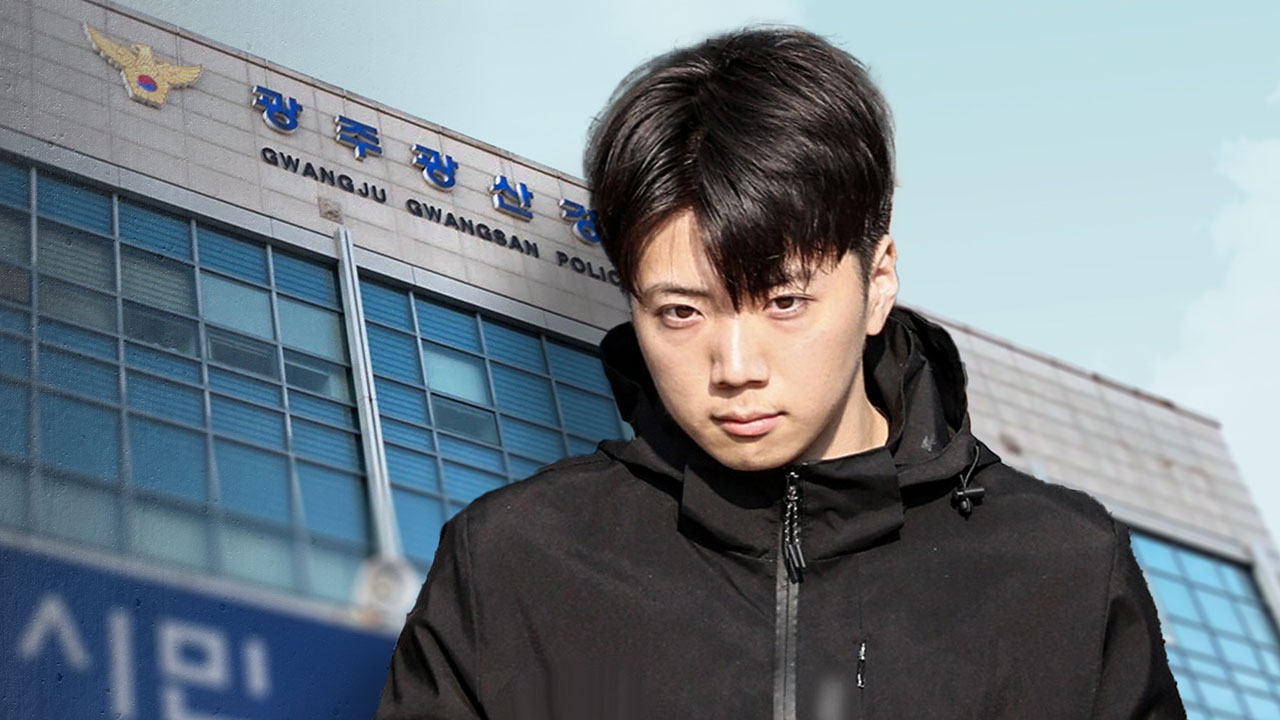
South Korean prosecutors are investigating whether senior police officials interfered in the criminal case of Jang Yun-gi, following reports that the Gwangju Gwangsan Police Station chief convened an emergency meeting immediately after the crime. The investigation focuses on allegations of a systematic cover-up to hide the fact that Jang’s father is a police officer and the potential destruction of evidence, including cable ties used during the crime.
The case has escalated into a legal conflict between the prosecution and the police. While the police have applied for an arrest warrant for Jang, prosecutors have launched their own raids and are scrutinizing the initial police response for signs of “investigation suppression,” according to reports from Kyunghyang Shinmun and Dong-A Ilbo.
Central to the probe is the timing of a high-level meeting led by the Gwangsan Police Station chief. MBC News reports that this emergency session took place shortly after the crime was committed, raising suspicions of potential interference from higher-ranking officials.
Allegations of Evidence Destruction and “Organized Concealment”
KBS News has reported evidence suggesting an organized effort to conceal the identity of Jang’s father. According to the report, instructions were allegedly given to ensure the fact that Jang’s father is a police officer was not known. This effort reportedly extended to the physical evidence of the crime.

Specific allegations involve the mishandling of cable ties. Reports indicate these items may have been intentionally removed or hidden to obstruct the investigation. This has led to a separate legal action, with a police officer recently facing a warrant substantive examination for the alleged destruction of evidence, as reported by v.daum.net.
The prosecution’s theory is that the level of interference suggests a directive from above. Kyunghyang Shinmun noted that prosecutors believe a team leader would have little reason to follow the personal wishes of Jang’s father unless there was pressure from higher-ranking officials within the police hierarchy.
Prosecution Raids and Police Arrest Warrants
The divergence in how the case is being handled is now a matter of public record. According to Dong-A Ilbo, the prosecution has conducted search and seizure operations (raids) regarding the “negligent investigation” of the Jang Yun-gi case. This indicates that the prosecution is investigating the police’s handling of the case.
Simultaneously, the police have applied for an arrest warrant for Jang Yun-gi.
The stakes involve the integrity of the Gwangju regional police.
Timeline of the Investigation Conflict
The friction between the two agencies has developed rapidly following the initial crime. The following sequence outlines the current state of the dispute based on available reports:
- Immediate Post-Crime: Gwangsan Police Station chief holds an emergency meeting; prosecutors now question the intent of this session.
- Initial Probe: Allegations emerge that cable ties and other evidence were concealed to protect the identity of Jang’s father.
- Prosecution Intervention: Prosecutors launch raids to investigate “investigation suppression” and potential police misconduct.
- Current Status: A police officer undergoes a warrant hearing for evidence destruction while the prosecution continues to probe “upper-level” interference.
The investigation is now moving toward determining exactly who issued the orders to conceal the father’s identity. The prosecution is analyzing communication logs and testimony from the investigation team to see if the “suppression” orders originated from the station chief or higher regional authorities.
The next critical checkpoint is the court’s decision on the arrest warrant for the police officer accused of destroying evidence and the outcome of the prosecution’s analysis of the seized materials from the Gwangsan Police Station.