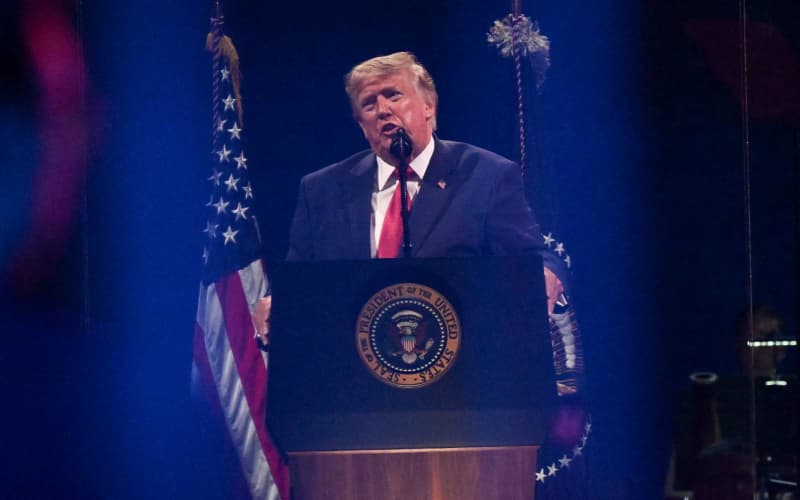
Geopolitical tensions involving the United States and Iran have historically triggered immediate volatility across global financial markets, with digital assets like Bitcoin often experiencing acute price fluctuations. As market participants recalibrate their risk exposure during periods of heightened international instability, investors are closely monitoring how potential shifts in U.S. foreign policy and regional Middle Eastern conflicts influence the broader cryptocurrency ecosystem.
When diplomatic frictions escalate, institutional and retail investors frequently move capital toward “safe-haven” assets, which historically include gold and U.S. Treasury bonds, while liquidating positions in more speculative, high-beta assets like cryptocurrencies. According to data from the International Monetary Fund, the correlation between crypto-assets and traditional equity indices has increased significantly in recent years, meaning that broader market sell-offs driven by geopolitical shocks often drag Bitcoin prices downward in tandem with stocks.
Geopolitical Risk and Cryptocurrency Market Volatility
The sensitivity of Bitcoin to geopolitical events is largely tied to its status as a risk-on asset. While proponents often describe Bitcoin as “digital gold,” market behavior during past conflicts suggests that its price action is more closely aligned with tech-heavy indices like the Nasdaq. When news of potential military action or severe diplomatic ruptures breaks, the immediate reaction in the crypto markets is typically a sharp increase in trading volume accompanied by high volatility.

For instance, during past instances of military escalation in the Middle East, such as the 2020 tensions following the strike on Qasem Soleimani, Bitcoin initially saw a brief price spike before experiencing a broader decline as the reality of market-wide economic uncertainty set in. Financial analysts at the Bank for International Settlements have noted that the lack of intrinsic, cash-flow-based valuation in cryptocurrencies makes them particularly susceptible to sentiment-driven trading when global security is perceived to be at risk.
Institutional Response to Regional Instability
Institutional investors manage geopolitical risk through sophisticated hedging strategies. When the risk of conflict rises, these firms often reduce their exposure to volatile sectors. Because cryptocurrencies are primarily traded on 24/7 global exchanges, they serve as an immediate barometer for global sentiment. When traders in Asian or European markets react to overnight news regarding U.S.-Iran relations, the crypto markets provide a real-time, albeit often exaggerated, reflection of that anxiety.

According to the Federal Reserve’s 2024 Financial Stability Report, the integration of digital assets into the broader financial system remains limited, but the potential for “spillover effects” from crypto market stress into traditional markets is a subject of ongoing regulatory scrutiny. Investors looking to mitigate exposure during these periods often seek clarity from official government statements rather than reacting to speculative media reports.
What Investors Should Monitor
For those tracking the impact of U.S. foreign policy on their portfolios, identifying reliable information sources is essential. The U.S. Department of State provides official updates on international relations and travel advisories, which often serve as a more accurate guide to the actual level of diplomatic tension than market-driven social media commentary. Similarly, the U.S. Securities and Exchange Commission continues to update its guidance regarding the risks associated with digital asset investments, emphasizing that volatility is a inherent feature of the asset class.
As the situation continues to evolve, market participants should prioritize the following:

- Official statements from the U.S. State Department and the White House regarding regional policy.
- Market liquidity reports from major exchanges, which can indicate whether price movements are driven by fundamental shifts or temporary panic selling.
- Macroeconomic indicators, such as the U.S. Dollar Index (DXY), which often moves in the opposite direction of risk assets during times of global instability.
The next major milestone for market observers will be the release of upcoming U.S. economic data and any formal diplomatic briefings regarding the regional situation in the Middle East. Investors are encouraged to remain cautious, avoid reactionary trading based on unverified headlines, and consult with financial advisors regarding their long-term risk tolerance. Please share your thoughts in the comments below on how you are adjusting your portfolio to account for current global market risks.