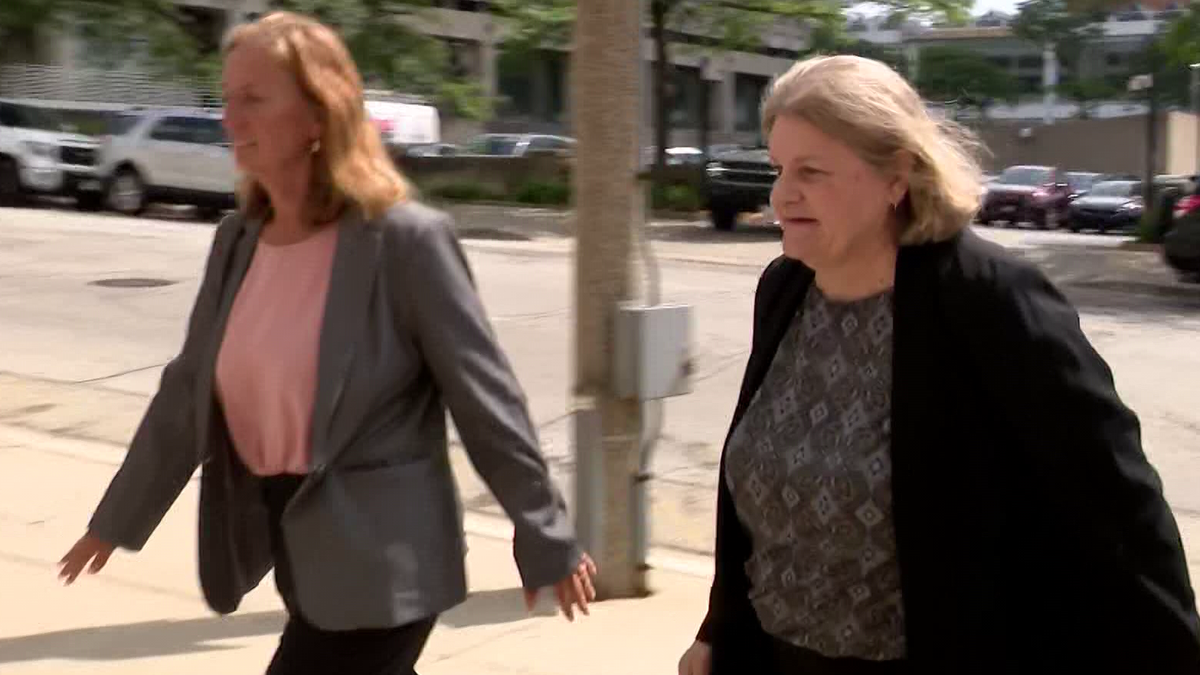
Former Milwaukee County Circuit Court Judge Hannah Dugan has avoided prison time following her conviction for obstructing federal immigration agents. A federal judge sentenced Dugan to a $5,000 fine and two years of probation, concluding a legal case that centered on her actions during a 2019 incident involving an attempt by U.S. Immigration and Customs Enforcement (ICE) to take a defendant into custody. The sentencing hearing, held in federal court, marks the resolution of a case that drew significant attention to the intersection of judicial authority and federal law enforcement operations.
According to federal prosecutors, the charges stemmed from an event on August 15, 2019, at the Milwaukee County Courthouse. Dugan, who was serving as a judge at the time, was accused of obstructing ICE agents who were attempting to execute an administrative arrest warrant for a Mexican national who had appeared in her courtroom for a hearing. The government argued that Dugan utilized her position to impede the federal agents’ access to the individual, effectively shielding the person from detention. In 2023, a federal jury found Dugan guilty of a misdemeanor charge of obstruction, as detailed in court records accessible via the U.S. Attorney’s Office for the Eastern District of Wisconsin.
The Legal Context of the Obstruction Charge
The core of the prosecution’s case rested on the allegation that Dugan interfered with the lawful duties of federal officers. Under federal law, obstructing, resisting, or impeding a federal officer performing official duties is a criminal offense. Prosecutors maintained that the defendant’s actions went beyond the scope of judicial discretion and constituted a direct challenge to federal immigration enforcement efforts. Legal analysts have noted that the case highlights the tension between local judicial control over courtrooms and the authority of federal agencies to execute warrants within public buildings.

During the proceedings, the defense argued that Dugan was acting to maintain the decorum and integrity of her courtroom and that her primary concern was the orderly administration of justice. The conviction necessitated a review of whether a sitting judge’s courtroom protocols could legally supersede the authority of federal agents acting under a warrant. The Administrative Office of the U.S. Courts provides extensive guidance on the protocols governing federal and state inter-agency cooperation, though specific incidents of friction remain subject to individual judicial review and local jurisdictional policies.
Sentencing and Judicial Consequences
The sentence of two years of probation and a $5,000 fine, handed down by the presiding judge, sits below the maximum penalties allowed under federal sentencing guidelines for this class of offense. By avoiding prison, Dugan remains under supervision, a common outcome for misdemeanor convictions where the court determines that incarceration is not required to serve the interests of justice or public safety. The United States Sentencing Commission outlines the factors judges must consider, including the nature of the offense, the defendant’s history, and the need for deterrence.
Following the 2019 incident and subsequent legal challenges, Dugan’s status within the judiciary underwent significant changes. Her removal from the bench was a direct consequence of the legal proceedings and the loss of public confidence associated with the conviction. The case has served as a point of reference for discussions regarding the boundaries of judicial conduct and the extent to which judges may interact with law enforcement entities operating within their jurisdictions. For those seeking further information regarding court filings or official statements related to the case, the U.S. District Court for the Eastern District of Wisconsin maintains public dockets that track the progression of criminal matters.
As of this time, there are no further court appearances scheduled regarding the sentencing phase of this matter. The case is considered closed, pending the completion of the probationary period. Readers interested in developments regarding judicial ethics or federal immigration enforcement policies in Wisconsin can monitor official updates through the court’s public records portal. We welcome your thoughts on this case in the comments section below.