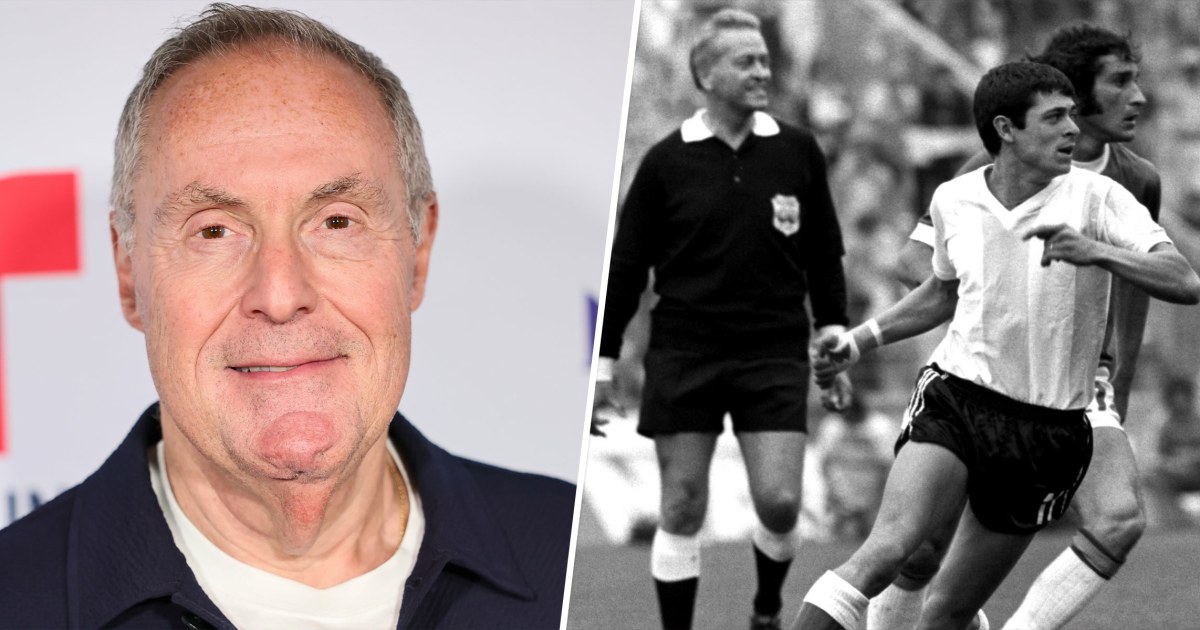
For millions of soccer fans, the voice of Andrés Cantor is synonymous with the drama of the FIFA World Cup, but his lifelong passion for the tournament began long before he became a legendary broadcaster. Growing up in Argentina, Cantor famously went to great lengths to follow the action, even skipping school as a young boy to ensure he did not miss a single match during the 1970s.
As the Editor of the Entertainment section here at World Today Journal, I have followed Cantor’s career for years. His transition from a young fan sneaking away from his studies to the man behind the iconic “Goooal!” call represents a journey that mirrors the deep cultural connection Argentina shares with the sport. His early memories of the tournament, specifically the 1978 World Cup hosted by his home country, remain a defining influence on his professional trajectory.
The Roots of a Broadcasting Legacy
Andrés Cantor’s obsession with soccer was not merely a hobby; it was a formative experience that dictated his daily schedule. During the 1978 World Cup, which Argentina hosted and ultimately won, a young Cantor prioritized the tournament over his formal education. According to his own reflections on his childhood, he frequently skipped school to watch the matches, finding ways to remain glued to the television broadcasts during a time when the country was gripped by the competition. This dedication to the sport during his youth served as the foundation for his later career in sports journalism, where he would eventually become the primary voice for Spanish-language soccer coverage in the United States.


The 1978 tournament was a significant moment in Argentine history, as the national team secured their first-ever World Cup title by defeating the Netherlands 3-1 in the final at the Estadio Monumental in Buenos Aires, as documented by FIFA’s official historical records. For a young boy living in the heart of that fervor, the atmosphere was transformative. Cantor has often noted that the energy of those matches shaped his understanding of how to communicate the emotional stakes of the game to an audience.
From Fan to Iconic Broadcaster
Cantor’s rise to prominence began in earnest after he moved to the United States to study at the University of Southern California, eventually carving out a career that would make him a household name among soccer fans globally. His signature, high-energy goal call is widely recognized as a hallmark of his broadcasting style, one that emphasizes the visceral excitement of the sport. Throughout his tenure at networks like Telemundo and formerly Univision, he has covered multiple World Cups, bringing a level of enthusiasm that is often cited as a benchmark for sports commentary.
His influence extends beyond the broadcast booth. In 2020, Cantor was recognized by the National Soccer Hall of Fame, where he received the Colin Jose Media Award for his significant contributions to soccer in the United States, according to the National Soccer Hall of Fame official archives. This honor solidified his status as a pillar of the sport’s media landscape, a far cry from the boy who once risked academic discipline just to watch his heroes take the pitch.
The Enduring Impact of the World Cup
The World Cup remains the pinnacle of professional soccer, and for individuals like Cantor, it serves as a bridge between generations. His story of skipping school highlights the universal appeal of the tournament and the lengths to which fans will go to witness history. While modern technology has made it easier than ever for fans to keep up with scores via mobile devices and streaming services, the passion that drove Cantor as a child continues to resonate with today’s audience.

As we look toward the next cycle of international competition, including the upcoming 2026 FIFA World Cup, which will be co-hosted by the United States, Canada, and Mexico, the legacy of broadcasters who grew up with the game remains vital. The 2026 tournament is expected to be one of the largest in history, with FIFA confirming an expanded format of 48 teams. This growth underscores the global reach of the sport that Cantor has spent his life describing.
The next major milestone for soccer fans will be the official draw and the lead-up to the 2026 tournament, with FIFA expected to release further details on match schedules and ticketing procedures in the coming months. Readers are encouraged to keep an eye on official FIFA announcements for the most accurate updates. We invite you to share your own earliest soccer memories in the comments below.