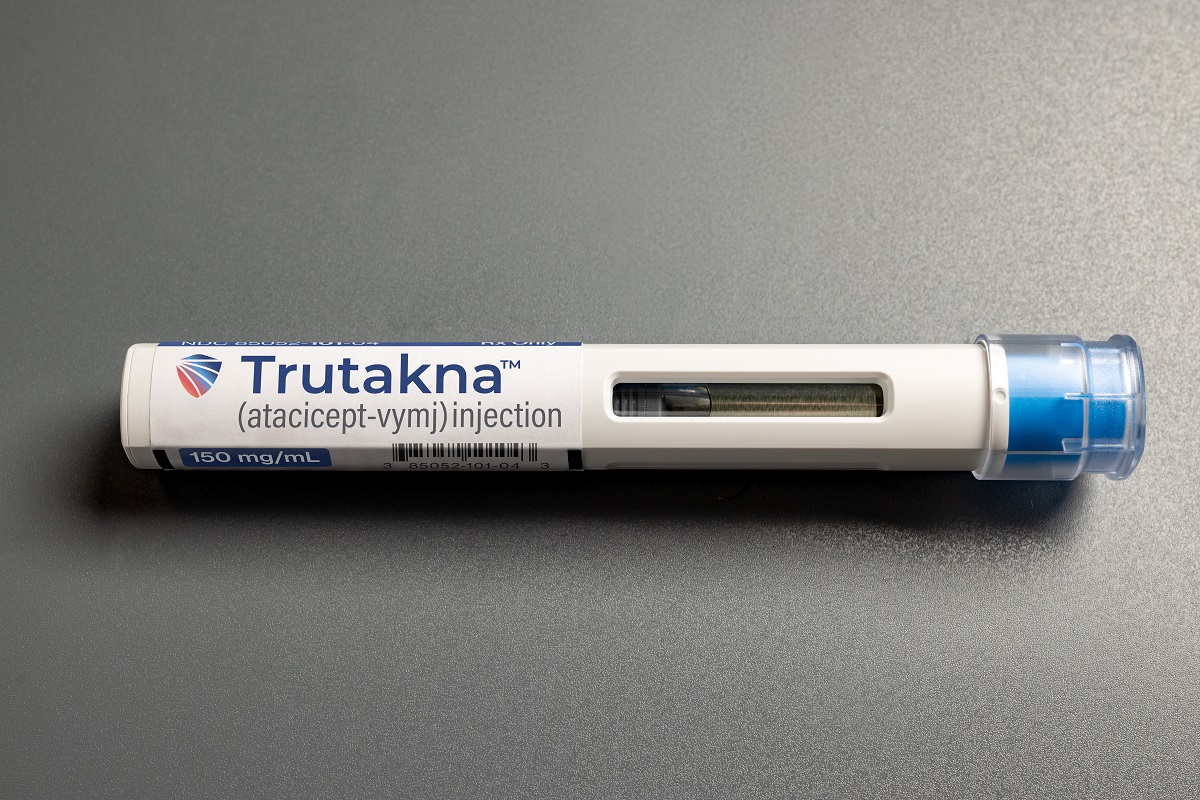
The U.S. Food and Drug Administration (FDA) has granted accelerated approval to Vera Therapeutics’ drug, atacicept, for the treatment of immunoglobulin A (IgA) nephropathy (IgAN). This milestone introduces a first-in-class therapeutic approach for patients suffering from this chronic autoimmune disease, which frequently progresses to end-stage renal failure, necessitating dialysis or kidney transplantation. Known commercially as Atapryl, the medication is designed to target two specific proteins—B-cell activating factor (BAFF) and a proliferation-inducing ligand (APRIL)—which are believed to drive the production of the pathogenic antibodies responsible for kidney damage in IgAN patients.
As a physician, I recognize that the approval of atacicept represents a significant shift in how we manage IgA nephropathy. For years, our primary focus has been the management of symptoms and general blood pressure control; now, we are seeing the emergence of targeted biologics that aim to address the root cause of the autoimmune response. This development is particularly important for the patient population, many of whom are young adults facing the prospect of long-term kidney decline.
The regulatory pathway for atacicept was expedited, reflecting the urgent medical need for effective treatments in the nephrology space. According to the U.S. Food and Drug Administration, the accelerated approval process allows for the authorization of drugs that treat serious conditions and fill an unmet medical need based on a surrogate endpoint—in this case, the reduction of proteinuria, a key marker of kidney health that is reasonably likely to predict clinical benefit.
Understanding IgA Nephropathy and the Mechanism of Atacicept
IgA nephropathy occurs when an abnormal form of the protein immunoglobulin A (IgA) deposits in the glomeruli, the tiny filtering units within the kidneys. This accumulation triggers inflammation and, over time, scarring of the kidney tissue. Traditional treatments, including renin-angiotensin system inhibitors, have historically been the standard of care, but they do not address the underlying immunological mechanism of the disease.
Atacicept operates as a dual inhibitor. By neutralizing both BAFF and APRIL, the drug effectively suppresses the survival and maturation of the B-cells that produce the galactose-deficient IgA1 antibodies associated with IgAN. By reducing the levels of these circulating antibodies, the therapy aims to halt or slow the progression of renal damage. Clinical data supporting this approval were derived from trials demonstrating significant reductions in proteinuria compared to placebo, a critical measure for preserving long-term kidney function. The National Kidney Foundation notes that proteinuria is one of the most reliable predictors of the progression to end-stage renal disease, making its reduction a primary goal of modern nephrology.
Competitive Landscape in the Nephrology Market
The approval of atacicept places Vera Therapeutics in a leadership position, but the competitive landscape for IgAN treatments is rapidly evolving. The pharmaceutical industry is currently witnessing a surge in research dedicated to B-cell and complement-mediated pathways. Notably, Vertex Pharmaceuticals is also developing a candidate that targets the same BAFF and APRIL pathways.
According to regulatory and corporate filings, Vertex Pharmaceuticals acquired Alpine Immune Sciences earlier this year, gaining access to povetacicept, a therapy that also inhibits BAFF and APRIL. Industry analysts are closely watching the progress of this candidate, as Vertex is expected to reach significant regulatory milestones in the coming months. The presence of multiple companies targeting these specific proteins underscores the scientific consensus that the BAFF/APRIL pathway is a high-value therapeutic target for autoimmune kidney disease.
Implications for Future Patient Care
For patients, the availability of a new class of medication offers a potential alternative to more aggressive immunosuppressive therapies, which often carry significant systemic side effects. However, as with any new biologic therapy, long-term safety monitoring remains essential. The FDA’s accelerated approval requires the sponsor to conduct post-marketing studies to verify the clinical benefit of the drug, ensuring that the reduction in proteinuria translates into lasting protection against kidney failure.
Healthcare providers should monitor official updates from the FDA’s Drug Approval Reports for further guidance on clinical usage and safety labeling. As we look toward the next phase of treatment, the focus will shift to how these drugs perform in diverse patient populations and whether dual-pathway inhibition can achieve remission in more advanced cases of the disease.
The medical community awaits the next round of clinical data regarding long-term renal outcomes, which are expected to be presented at major nephrology conferences in the coming year. We encourage readers to consult with their nephrologists to discuss whether these emerging therapies are appropriate for their specific clinical profile. For more updates on this developing story, stay tuned to our health section.