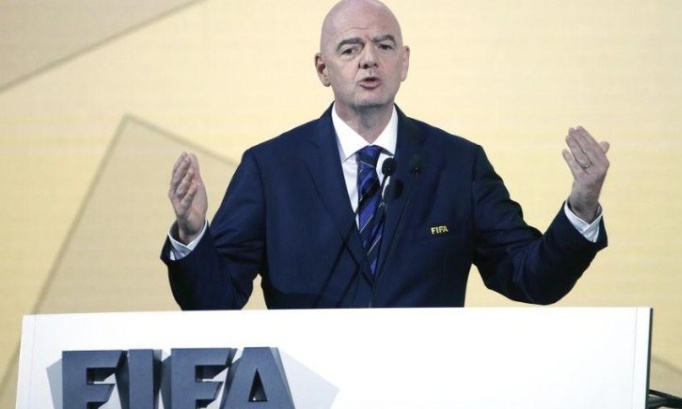
International pressure on FIFA president Gianni Infantino has intensified following the circulation of online petitions calling for his resignation and an independent investigation into the governing body’s leadership. These calls, which have gained momentum across social media platforms, reflect ongoing scrutiny regarding FIFA’s governance, internal transparency, and the administration of global football operations under Infantino’s tenure.
The petitions, primarily circulating through digital messaging services and social media networks, highlight a growing demand from segments of the football community for structural reform. While the petition itself is a grassroots effort, it mirrors formal discussions occurring within international sports governance circles regarding ethics, financial oversight, and the influence of the FIFA Council. According to official FIFA documentation, the organization operates under a set of statutes that govern elections and leadership term limits, which have been points of contention for critics of the current administration.
Governance and Reform Demands
Gianni Infantino, who has served as FIFA president since 2016, has faced recurring criticism regarding the centralization of power within the organization. Critics, including various advocacy groups and independent observers, often point to the FIFA Code of Ethics as a primary instrument for accountability, yet argue that its application remains inconsistent. The current calls for resignation are not isolated; they follow years of debate regarding the 2022 World Cup in Qatar and broader concerns about how FIFA manages its multi-billion dollar revenue streams.

The demand for an “independent investigation” typically centers on allegations of mismanagement or opaque decision-making processes. In the past, FIFA has responded to such claims by highlighting its internal audit committees and the oversight provided by the FIFA Audit and Compliance Committee. However, those advocating for change argue that internal mechanisms are insufficient to address systemic issues, calling instead for third-party oversight—a measure that FIFA has historically resisted, citing its autonomy as a private association under Swiss law.
The Role of Digital Advocacy
The recent surge in online activity demonstrates the effectiveness of social media in mobilizing sports fans globally. By utilizing platforms like WhatsApp and Messenger to share petitions, organizers have bypassed traditional media gatekeepers, creating a direct line of communication with stakeholders. This digital mobilization is a hallmark of modern sports activism, where fans increasingly view themselves as participants in the governance process rather than mere spectators.
While these petitions do not hold direct legal weight to force a resignation, they serve as a barometer for public sentiment. The pressure is compounded by the fact that FIFA is constantly preparing for future tournament cycles, including the 2026 World Cup, which will be jointly hosted by the United States, Canada, and Mexico. Any perceived instability at the top of the organization can complicate sponsorship negotiations and relationships with national football associations, which are the primary voters in FIFA presidential elections.
Institutional Responses and Next Steps
FIFA has maintained that its leadership operates within the democratic mandate provided by its 211 member associations. During the most recent FIFA Congress, the organization reaffirmed its commitment to its current development programs and financial goals. As of this report, there has been no official statement from the FIFA general secretariat regarding the specific petitions mentioned in social media circulations, nor has there been any formal proposal for an independent inquiry into the presidency.
The next major checkpoint for FIFA’s governance will be the upcoming FIFA Congress, where member associations will gather to discuss policy, financial reporting, and future strategic initiatives. Any changes to the leadership structure or calls for investigations would require a formal motion from the floor, supported by a majority of the member associations. For now, the debate remains firmly in the digital sphere, reflecting a widening gap between the organization’s current leadership and a significant portion of its global audience.
The situation continues to evolve as more national associations and fan groups engage with the conversation. Readers interested in tracking official updates should monitor the FIFA Congress portal for information regarding future meetings and statutory amendments. We encourage our readers to participate in the conversation by sharing their perspectives in the comments section below.