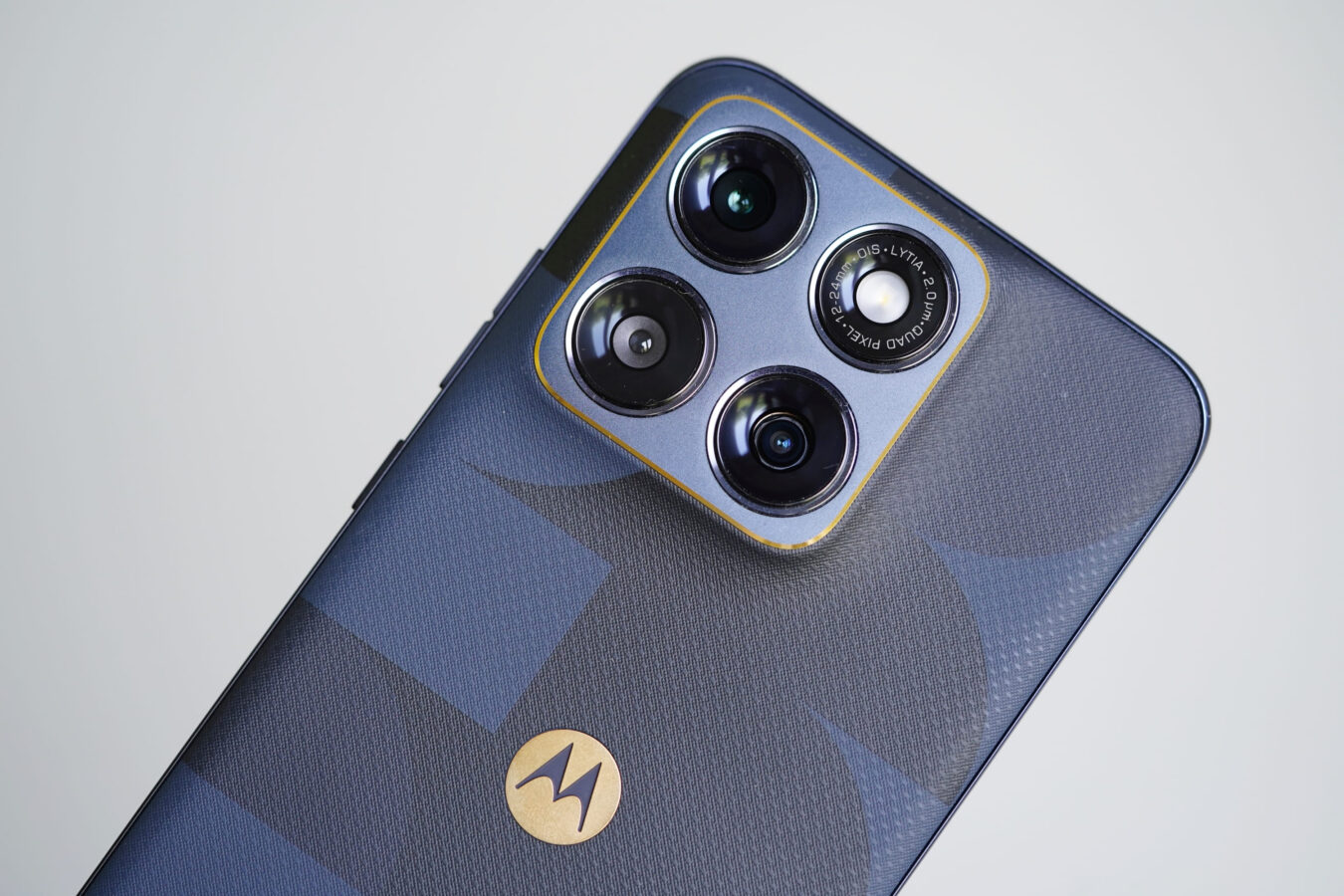
Motorola is preparing to expand its smartphone lineup with the upcoming Edge 70 Max, a device that industry reports indicate will feature a specialized magnetic power system. The company’s latest move suggests a push toward integrating modular accessory ecosystems directly into its flagship hardware, signaling a shift in how the manufacturer approaches charging and peripheral connectivity.
While Motorola has maintained a consistent presence in the global smartphone market, the Edge 70 Max is expected to serve as a high-end entry, targeting users who prioritize hardware innovation. Based on current industry tracking, the device is anticipated to feature the Snapdragon 8 Gen 5 processor, positioning it firmly within the premium segment of the mobile landscape.
Integration of Magnetic Power Systems
The core feature drawing attention to the Edge 70 Max is its reported support for magnetic charging, a technology that moves beyond standard wireless induction. This implementation aims to provide a more stable connection for power delivery, potentially allowing for faster charging speeds compared to traditional Qi-based solutions. By incorporating magnets directly into the phone’s rear chassis, Motorola is looking to facilitate a more reliable alignment for accessories, a design choice that mirrors broader industry trends toward magnetic attachment ecosystems.
For users, this means the potential for a tighter, more secure interface between the phone and its power accessories. Historically, magnetic alignment has been used to improve thermal efficiency during charging by ensuring the coils remain perfectly centered. If implemented as expected, the system could allow Motorola to offer proprietary magnetic cases, power banks, and mounting hardware that snap securely onto the device, reducing the likelihood of charging interruptions.
Hardware Specifications and Market Positioning
Technical specifications appearing in industry analysis highlight the inclusion of the Snapdragon 8 Gen 5, the latest flagship silicon from Qualcomm. This chipset is expected to provide significant improvements in both computational power and energy efficiency, supporting the high-performance demands of modern mobile applications and advanced AI-driven features. The integration of such hardware underscores Motorola’s intent to compete directly with other premium flagships currently available.

Initial reports regarding the regional distribution of the Motorola Edge 70 Max suggest that its primary launch phase may be concentrated in the Indian market. This strategy is common for flagship releases that prioritize high-growth regions where demand for premium, feature-rich hardware is currently accelerating. By focusing on specific markets, manufacturers can often better optimize supply chains and software support for local user requirements.
The Evolution of Motorola’s Flagship Strategy
The Edge series has long been the primary vehicle for Motorola’s design experiments, ranging from curved display technology to advanced camera sensors. The shift toward a magnetic ecosystem represents a departure from purely aesthetic or display-focused updates, moving instead toward functional hardware modularity. This approach suggests that the company is evaluating how to build long-term brand loyalty through an interconnected ecosystem of proprietary accessories.
As the mobile industry moves toward more standardized wireless power, companies like Motorola are finding ways to differentiate their offerings by adding proprietary “hooks” for users. Whether this magnetic system will eventually support third-party standards or remain a closed ecosystem is a point of interest for industry observers. The success of this feature will likely depend on the availability and variety of the magnetic accessories Motorola chooses to launch alongside the device.
For those tracking the development of the Edge 70 Max, the next phase involves official confirmation of the global release schedule and pricing tiers. As of now, the company has not provided a definitive date for the international rollout. Readers interested in the latest updates regarding Motorola’s hardware roadmap can monitor official announcements from the company’s regional press portals for verified release information and detailed technical specifications.