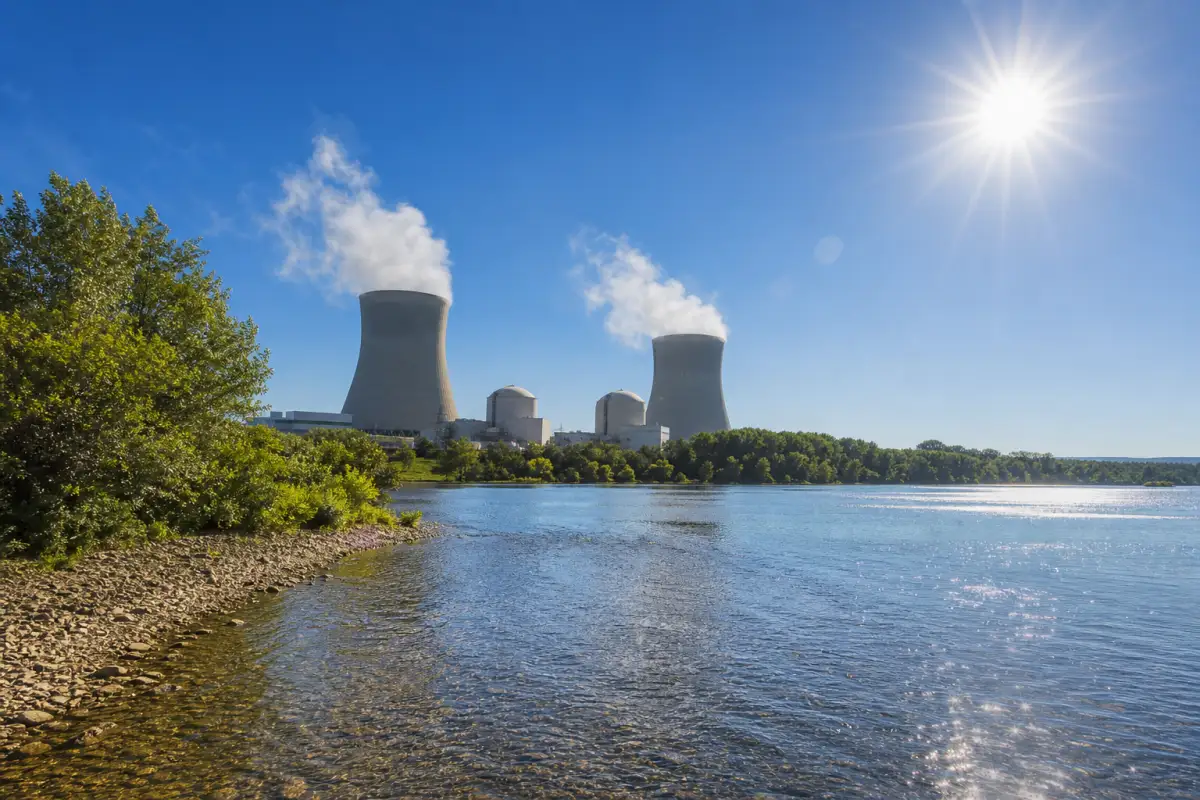
Électricité de France (EDF) has suspended operations at one of the reactors at the Golfech nuclear power plant in southern France. The decision, confirmed by the utility operator, stems from the extreme heatwave conditions currently affecting the region, which have caused the temperature of the Garonne River to rise beyond authorized cooling limits. The shutdown is a regulatory necessity designed to ensure that the thermal discharge from the plant does not adversely impact the river’s local ecosystem or aquatic biodiversity.
As of this week, France is contending with widespread high temperatures that have prompted authorities to monitor both infrastructure and public safety closely. The cooling process for nuclear reactors relies on water drawn from nearby rivers; when river temperatures reach specific thresholds, operators must reduce or halt power production to comply with environmental protection laws. According to data from the French Nuclear Safety Authority (ASN), these measures are standard operating procedures during periods of intense, prolonged heat to prevent the return of heated water from causing thermal stress to the river environment.
Regulatory Framework and Environmental Protection
The operation of French nuclear power plants is strictly governed by environmental permits that dictate the maximum temperature at which water can be released back into the environment. When ambient heat causes river water temperatures to climb, EDF is required to adjust its output. At the Golfech facility, located in the Tarn-et-Garonne department, the Garonne River serves as the primary cooling source.
The regulatory framework for these discharges is overseen by the ASN, which mandates that utility companies prioritize the health of the water source during heatwaves. This is not the first time such measures have been implemented; France’s nuclear fleet has faced similar operational pauses during previous summer heatwaves as the country balances energy production needs with strict ecological preservation requirements. The current state of the electrical grid remains a focal point for the Ministry of Energy, which monitors the availability of reactors throughout the summer period.
Impact on Energy Production and Grid Stability
While the temporary shutdown of a reactor at Golfech reduces total available capacity, French energy officials have emphasized that the broader power grid remains stable. The national energy strategy relies on a mix of generation sources, and the periodic modulation of nuclear output—whether for maintenance or environmental compliance—is accounted for in seasonal projections.
The broader context for this week’s operational changes includes a surge in regional fire risks, with reports from the French Ministry of the Interior indicating hundreds of fire starts across the country during the current heatwave. Emergency services remain on high alert as temperatures persist above seasonal averages. The government has convened interministerial meetings to coordinate the response to both the heat-related infrastructure challenges and the heightened risk of wildfires.
Monitoring Future Operational Status
EDF maintains an ongoing monitoring system for all its nuclear sites, with real-time updates regarding reactor status available through the company’s official transparency portal. The duration of the shutdown at Golfech depends entirely on the evolution of weather patterns and the subsequent cooling of the Garonne River. Once water temperatures fall back within the permissible range defined by environmental authorities, the reactor will be cleared to resume power generation.
For those tracking the stability of the French power supply, the next official status update is expected following the upcoming meeting of the interministerial crisis unit, which will assess the ongoing impact of the heatwave on national infrastructure. Residents and stakeholders are encouraged to monitor official government announcements regarding the heatwave response and to follow safety guidance provided by local prefectures.
We welcome your thoughts on how France should balance energy production with climate-driven environmental constraints. Please share your insights in the comments section below.