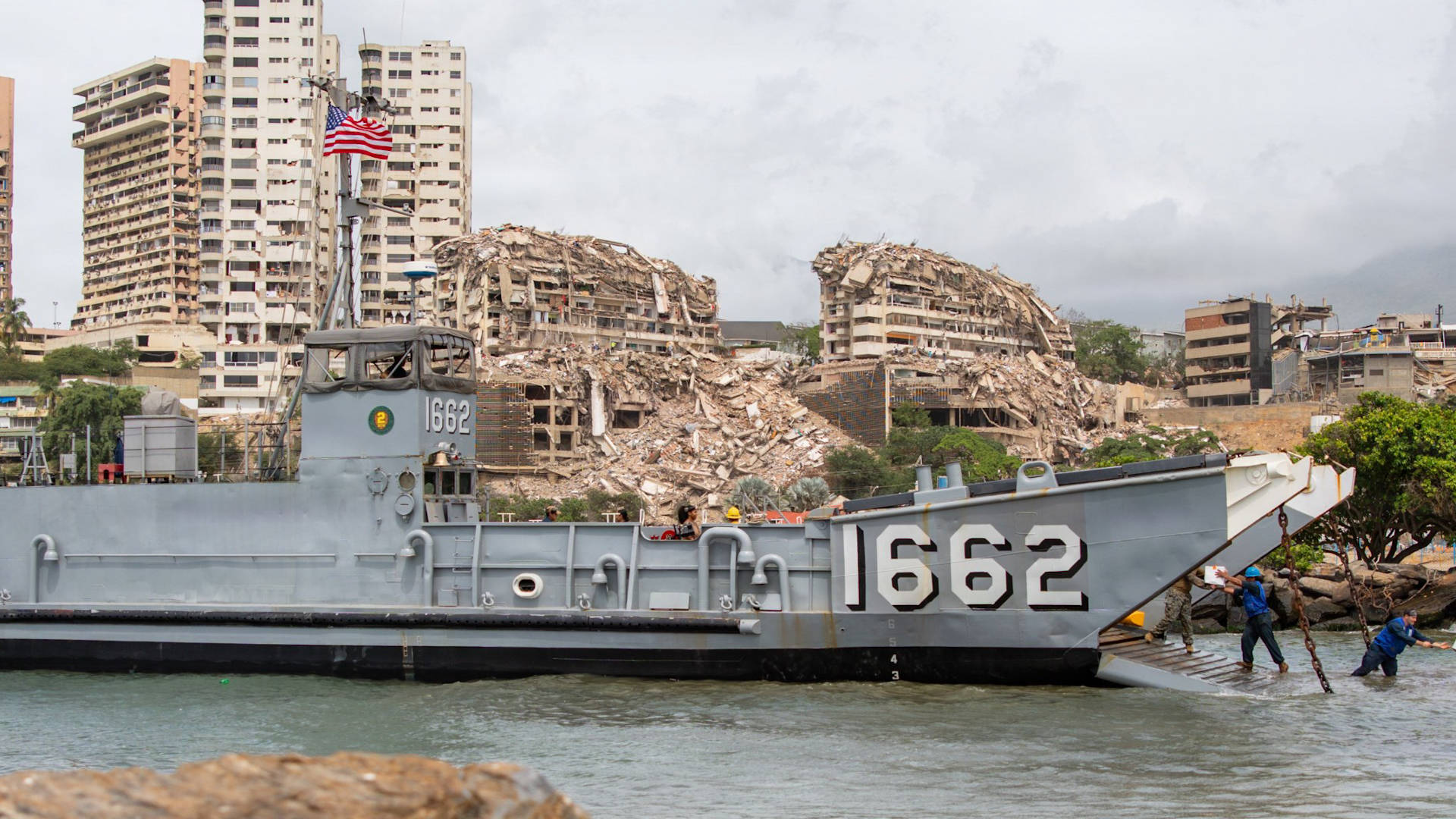
The humanitarian crisis in Venezuela has deepened following a series of significant seismic events in June that have resulted in more than 3,500 confirmed fatalities. As regional authorities and international aid organizations struggle to address the mounting death toll and infrastructure collapse, reports have emerged regarding discussions over a potential increase in United States military presence within the country to assist in disaster relief efforts, a move that remains a subject of intense geopolitical scrutiny.
The seismic activity, which struck multiple regions in June, caused widespread destruction of residential housing, critical medical facilities, and essential power grids. According to preliminary reports from local emergency management agencies, the number of casualties is expected to rise as search-and-rescue operations transition into recovery efforts in more isolated mountainous areas. The scale of the disaster has overwhelmed domestic emergency response capabilities, prompting the Venezuelan government to engage in high-level diplomatic discussions regarding the necessity of foreign technical and logistical support.
Humanitarian Impact and Emergency Response
The devastation caused by the June earthquakes has created a complex emergency environment. The United Nations Office for the Coordination of Humanitarian Affairs (OCHA) has noted that the destruction of road networks has significantly hampered the delivery of medical supplies and clean water to affected provinces. In many instances, the lack of heavy machinery has delayed the clearing of rubble, leaving families without access to basic necessities for days at a time. The current death toll, surpassing 3,500 people, reflects the intensity of the tremors and the structural vulnerability of older housing stock in the region, as detailed in recent updates from the United Nations humanitarian portal.
International aid, including mobile field hospitals and specialized engineering units, has begun to arrive from various neighboring countries. However, the logistical challenge of coordinating these efforts within the current political climate remains a significant hurdle. Humanitarian observers emphasize that the priority remains the stabilization of temporary shelters and the mitigation of secondary health risks, such as waterborne diseases, which often follow large-scale seismic events in tropical climates.
Geopolitical Dimensions of Foreign Assistance
The prospect of an expanded U.S. military presence in Venezuela for disaster relief has sparked a debate over the intersection of humanitarian aid and national sovereignty. While the U.S. government has historically deployed military assets for disaster relief in Latin America—often utilizing Southern Command (SOUTHCOM) capabilities for rapid logistical deployment—the current political tension between Washington and Caracas complicates the operational landscape. According to U.S. Southern Command directives, military involvement in disaster relief is typically focused on airlift, medical support, and communication infrastructure, rather than combat operations.
Venezuelan officials have expressed guarded positions on the nature of foreign assistance, balancing the urgent need for resources against concerns regarding the long-term presence of foreign personnel on their soil. Analysts tracking the region note that any agreement involving U.S. personnel would likely require specific, time-bound mandates to ensure that the mission remains strictly focused on humanitarian objectives. The diplomatic process is expected to continue through formal channels in the coming weeks, as both nations weigh the logistical benefits of U.S. military expertise against the complex history of their bilateral relations.
Next Steps in the Recovery Process
The immediate focus for the Venezuelan government and international observers is the upcoming assessment of structural integrity in urban centers. Engineers are scheduled to begin comprehensive surveys of public buildings and utility lines starting next week. These findings will determine the duration of the state of emergency and the scope of international aid required for the reconstruction phase. The international community is expected to hold a donor conference later this month to coordinate financial and material commitments for long-term recovery, providing a clearer roadmap for the affected populations.
As the situation develops, citizens are advised to monitor official communications from the Venezuelan Ministry of Interior and Justice for updates on safety protocols and the status of emergency shelters. International observers and humanitarian agencies continue to advocate for unimpeded access to all affected zones to ensure that aid is distributed based on need. We will continue to track these developments as more information becomes available from regional authorities and coordinating bodies.
Have you been affected by the recent earthquakes, or are you following the international response? Share your perspectives and stay updated with our ongoing coverage of this developing situation in the comments section below.