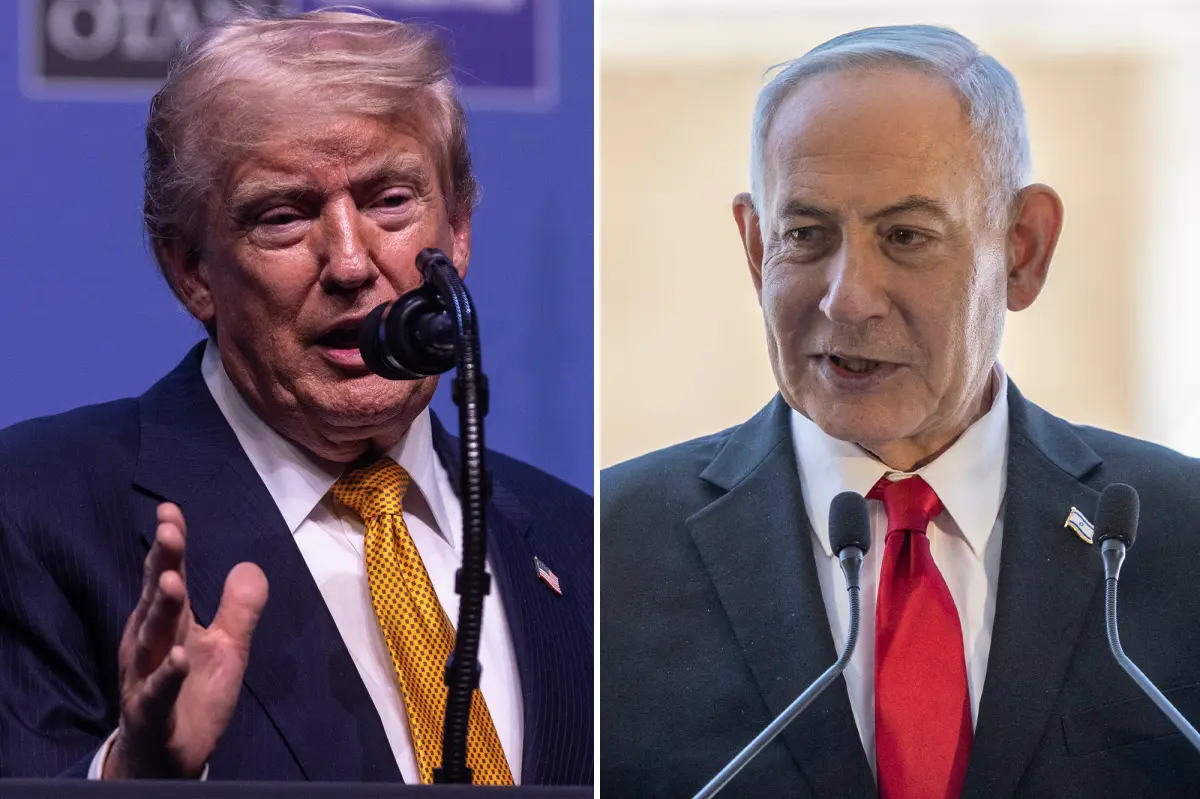
Israeli officials have signaled a readiness to support potential U.S. military operations against Iran if requested by the incoming Trump administration, according to recent reports. This alignment reflects ongoing discussions regarding regional security architecture and the shared objective of curbing Iranian influence, though no formal joint strike plans have been publicly confirmed by the White House or the Israeli Prime Minister’s Office.
As the transition period progresses in Washington, the strategic relationship between Jerusalem and the next U.S. administration remains a focal point for Middle Eastern security analysts. The prospect of renewed cooperation against Iranian proxies—or direct targets—follows a period of heightened regional tension, characterized by direct exchanges of fire between Israel and Iran throughout 2024. According to the U.S.
Strategic Alignment and Regional Security
The possibility of synchronized military action stems from the long-standing U.S.-Israel strategic partnership, which historically relies on intelligence sharing and defense coordination. While the Biden administration maintained a policy of “maximum pressure” via sanctions, the incoming administration has hinted at a potentially more aggressive posture toward Tehran. Israeli officials have previously emphasized that they maintain the sovereign right to act against threats to their national security, a position articulated by the Israeli Prime Minister’s Office in multiple security briefings this year.

For Israel, the primary concern remains the advancement of Iran’s nuclear enrichment program and the proliferation of ballistic missiles. The International Atomic Energy Agency (IAEA) has reported that Iran continues to enrich uranium to levels approaching weapons-grade, a development that has consistently triggered alarm in both Washington and Jerusalem. Any future coordination would likely focus on degrading these capabilities or disrupting the supply chains that support Iran’s regional network of proxies.
Policy Precedents and Diplomatic Context
The current discourse reflects a shift in regional dynamics since the Abraham Accords, which sought to normalize relations between Israel and several Arab nations. This coalition-building approach is viewed by many geopolitical analysts as a necessary counterbalance to Iranian expansionism. However, the effectiveness of such a strategy depends heavily on the level of commitment from the United States to maintain a forward-deployed military presence in the Middle East.

According to the Congressional Research Service, U.S. policy toward Iran has fluctuated significantly over the last decade, moving between the 2015 Joint Comprehensive Plan of Action (JCPOA) and the subsequent “maximum pressure” campaign initiated in 2018. The upcoming transition in the U.S. executive branch suggests a potential return to a more confrontational approach, which would likely prioritize the strengthening of the Israeli-American security alliance over multilateral diplomatic engagement with Tehran.
Operational Challenges and Potential Consequences
Should the U.S. and Israel pursue a coordinated military effort, the operational risks are considerable. Analysts frequently cite the potential for Iranian retaliation through asymmetric warfare, including cyberattacks, maritime harassment in the Strait of Hormuz, and increased activity from regional militias in Iraq, Syria, and Lebanon. The U.S.
The impact of such a conflict on global energy markets is another critical variable. Given the importance of the Persian Gulf to global oil supply, any sustained military engagement could trigger significant price volatility. Financial markets typically react to these developments by seeking “safe haven” assets, a trend monitored closely by international economic institutions.
Next Steps in the Transition
As the transition process continues, formal policy directives regarding the Middle East are expected to emerge following the inauguration in January 2025. Observers are also looking toward upcoming legislative sessions in both countries, where budgetary allocations for defense and foreign aid will provide clearer insight into the long-term commitment to these strategic objectives.
We invite our readers to share their perspectives on these developments in the comments section below.