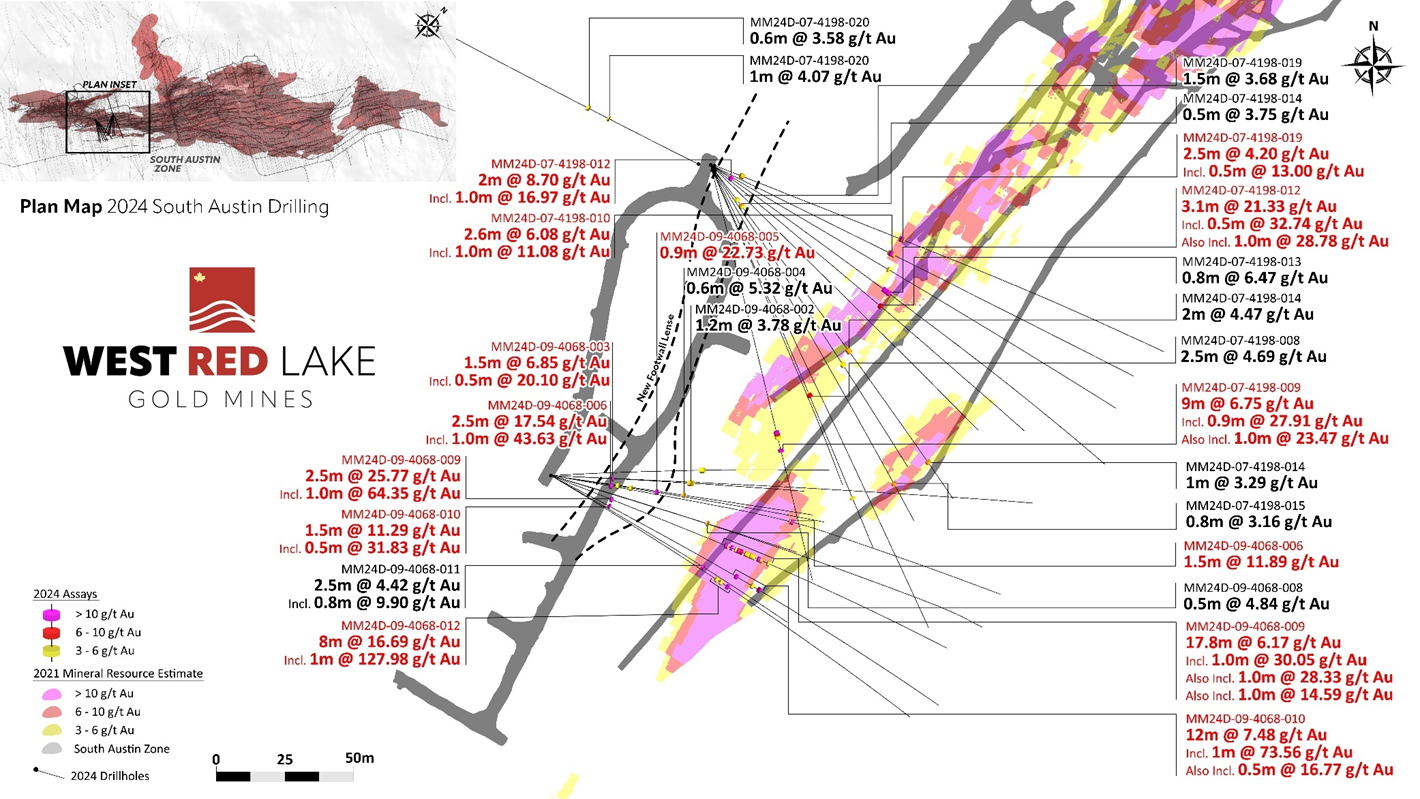
West Red Lake Gold Mines Ltd. has reported high-grade gold intersections at its Madsen Mine project in the Red Lake Gold District of Ontario, specifically within the Austin 955 and 904 zones. The company’s recent exploration results confirm significant mineralized intervals at the base of the Main Austin area, a site historically associated with past production. These findings represent a strategic effort to expand the resource base at the Madsen complex, according to the company’s latest corporate disclosure.
The 904 Complex, situated at the bottom of the Main Austin structure, serves as a primary target for the company’s current drilling campaign. The zone is defined as a panel approximately 200 metres by 200 metres. During previous operational periods under the Madsen name, this area was a known source of production, though geological data suggests significant untapped potential remains in the deeper, lower-grade, and high-grade extensions of the ore body. West Red Lake Gold Mines acquired the Madsen assets in 2023 following a court-supervised restructuring process, as documented in official filings available via SEDAR+.
Geological Significance of the Austin 955 and 904 Complexes
The geological architecture of the Red Lake camp is defined by complex structural controls, and the Austin zones are central to the mine’s history. The 955 and 904 areas are characterized by high-grade gold mineralization hosted within a folded and sheared volcanic sequence. According to Ontario Ministry of Mines geological surveys of the Red Lake greenstone belt, these structures have historically yielded high-ounce-per-tonne gold, necessitating precise exploration to identify continuity between existing stopes and new, untested mineralization.

The company is utilizing diamond drilling to test the vertical and lateral extensions of these zones. By targeting the 904 panel, the technical team aims to convert inferred resources into indicated categories, a standard regulatory requirement for mine planning. The proximity of these zones to the existing underground infrastructure—including the main shaft and haulage ramps—potentially reduces the capital expenditure required to bring new ore into a production schedule, provided the grades remain consistent with recent drill intercepts.
Operational Background and Restructuring
The Madsen Mine has a storied history in Canadian mining, having operated intermittently for decades. However, the operation faced severe liquidity challenges under its previous ownership, leading to a filing for protection under the Companies’ Creditors Arrangement Act (CCAA) in 2022. West Red Lake Gold Mines emerged as the successful bidder for the project, viewing the existing infrastructure as a foundation for a long-term, sustainable mining operation.
The current exploration strategy is a departure from previous, more aggressive production-focused models. By prioritizing resource definition in the Austin complexes, the company is seeking to mitigate the geological uncertainty that contributed to previous operational shutdowns. According to West Red Lake Gold Mines corporate updates, the focus remains on “de-risking” the asset through systematic infill and step-out drilling. This approach is intended to provide the geological confidence necessary to justify a potential restart of commercial production at the facility.
Infrastructure and Future Development
The Madsen project benefits from a fully permitted, 800-tonne-per-day processing facility. The strategic value of the Austin 955 and 904 zones lies in their ability to feed this mill, should the drilling program confirm a sufficient reserve base. The company has highlighted that the existing underground development allows for relatively rapid access to these deeper targets compared to a greenfield exploration project.
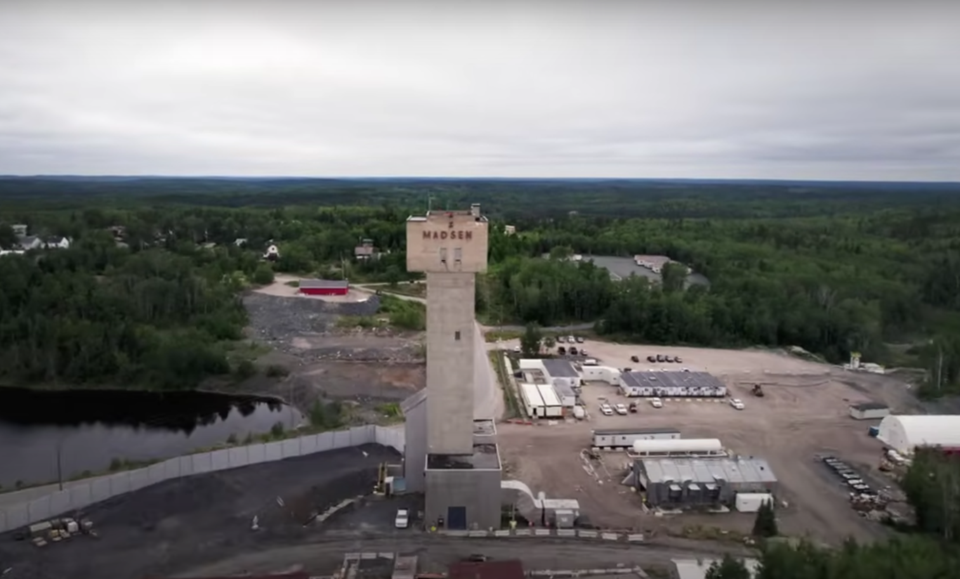
Investors and stakeholders are currently monitoring the company’s quarterly financial reports and technical bulletins for updates on the “all-in sustaining costs” (AISC) associated with the project. The Ontario Securities Commission requires that all material changes in resource estimates be backed by a NI 43-101 compliant technical report, which the company is expected to update as exploration data matures. The next significant checkpoint for the project will be the publication of an updated mineral resource estimate, which will incorporate the results from the 955 and 904 drilling programs.
For those tracking the progress of the Madsen Mine, official regulatory filings and press releases can be monitored through the SEDAR+ portal. Readers are encouraged to follow the development of the Red Lake Gold District, as the success of the Austin zones may indicate broader trends in the revitalization of historic Ontario mining camps. Please share your thoughts or questions regarding these developments in the comments section below.