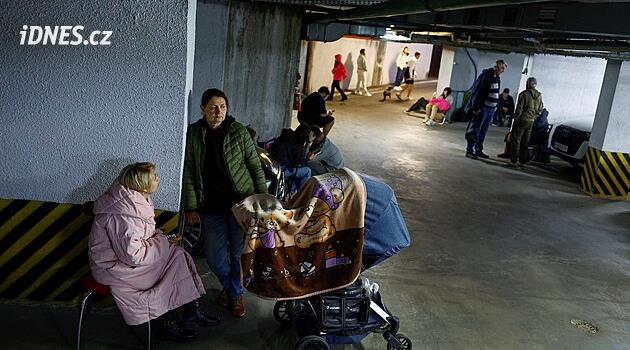
The United Nations Human Rights Monitoring Mission in Ukraine (HRMMU) has recorded the highest number of civilian casualties in June 2024 since the initial months of the full-scale Russian invasion. According to the latest data released by the organization, at least 265 civilians were killed and 1,816 were injured during the month, marking a significant escalation in the human cost of the ongoing conflict.
This surge in casualties underscores the intensifying nature of hostilities, with the figures representing a stark departure from the relative fluctuations observed in preceding months. The UN report attributes these losses primarily to the persistent use of wide-area explosive weapons in populated urban centers, as well as targeted aerial strikes that have impacted residential infrastructure across multiple regions of Ukraine.
Analysis of June Casualty Data
The casualty figures for June reflect a grim milestone for the ongoing war, as confirmed by official reports from the Office of the United Nations High Commissioner for Human Rights (OHCHR). The 265 confirmed fatalities and 1,816 injuries represent the highest single-month total recorded by the mission since the early phase of the conflict in 2022.
Monitoring teams operating within Ukraine noted that the majority of these incidents occurred in areas close to the front lines, as well as in major cities subjected to long-range missile and drone attacks. The UN mission highlighted that the cumulative impact of these strikes has severely disrupted essential services and civilian living conditions. By tracking the geographic distribution of these incidents, the OHCHR report provides a granular view of how the expansion of kinetic military activity directly correlates with the rise in non-combatant deaths and severe injuries.
Impact of Explosive Weapons in Populated Areas
A primary factor driving the increased death toll is the continued deployment of heavy explosive weaponry in densely populated regions. The United Nations has consistently advocated for the protection of civilians in accordance with international humanitarian law, yet the tactical reality on the ground remains volatile.
The OHCHR briefing update emphasizes that the use of missiles, loitering munitions, and glide bombs has contributed to a higher rate of casualty incidents compared to the spring months of 2024. The destruction of residential buildings and energy infrastructure not only results in immediate casualties but also creates long-term hazards for displaced populations. Humanitarian organizations working in the affected regions have reported that the scale of damage often complicates rescue efforts, as emergency services struggle to respond to multiple strike sites simultaneously.
Regional Distribution and Humanitarian Consequences
While the impact is felt nationwide, the intensity of the conflict has been particularly severe in the Donetsk, Kharkiv, and Zaporizhzhia regions. The UN monitoring mission documents these events to ensure an accurate historical record and to hold parties accountable for adherence to the laws of war.
For civilians remaining in these zones, the risk of injury from shelling and air strikes remains a constant threat. The documented increase in fatalities has prompted renewed calls from international observers for the establishment of safer corridors and the cessation of attacks on civilian-populated zones. The humanitarian situation is further complicated by the degradation of medical facilities, which are increasingly burdened by the influx of trauma patients resulting from the June surge in violence.
Monitoring and Accountability
The OHCHR relies on a network of field monitors who verify reports through site visits, witness interviews, and the analysis of forensic data. This process is essential for maintaining the integrity of the casualty figures, which often differ from initial reports provided by local authorities due to the rigorous verification standards mandated by the UN.
The mission’s reports serve as a critical resource for international bodies assessing the conduct of hostilities. As the conflict continues, the UN remains committed to tracking these developments and providing updates to the international community. The next comprehensive reporting period will follow the ongoing collection of data by field teams, with updates expected to be released through the official UN Ukraine portal as new information becomes available.
We invite our readers to follow these developments through our ongoing coverage of the situation in Eastern Europe. Please share your thoughts or questions in the comments section below.