
The prospect of the United States reducing its military presence in Europe has resurfaced as a point of diplomatic friction, tied directly to the Greenland issue. Reports indicating that U.S. officials have linked security commitments in Europe to the Greenland issue have drawn sharp responses from Copenhagen and raised concerns regarding the stability of NATO’s northern flank.
This development follows a pattern of diplomatic pressure regarding Greenland that first gained international attention in August 2019, when then-President Donald Trump expressed interest in purchasing the world’s largest island from Denmark. While the Danish government, led by Prime Minister Mette Frederiksen, has consistently maintained that Greenland is not for sale, the recent surfacing of reports suggesting a quid-pro-quo involving troop deployments has complicated the security dialogue between Washington and its European allies.
Strategic Context of U.S. Forces in Europe
The United States maintains a significant military footprint in Europe, serving as the backbone of NATO’s collective defense strategy. According to data from the U.S. Any reduction in these forces, particularly if used as leverage in non-military negotiations, would represent a shift in the traditional approach to transatlantic security architecture.

The geopolitical significance of Greenland has grown alongside the increasing competition for influence in the Arctic. As sea ice recedes, the region is becoming more accessible for shipping lanes and resource extraction, drawing interest from global powers, including Russia and China. The U.S. presence at Thule Air Base, located in northern Greenland, serves as a vital node in the American early-warning missile defense system, as noted by the U.S. Space Force, which oversees operations at the site.
Diplomatic Friction and the Greenland Question
Relations between Washington and Copenhagen were tested in 2019 when the scheduled visit of the U.S. president to Denmark was canceled following public comments by Prime Minister Frederiksen that the idea of buying Greenland was “absurd.” The Danish government, while acknowledging the importance of the U.S.-Denmark security partnership, has emphasized the right of the Greenlandic people to self-determination.
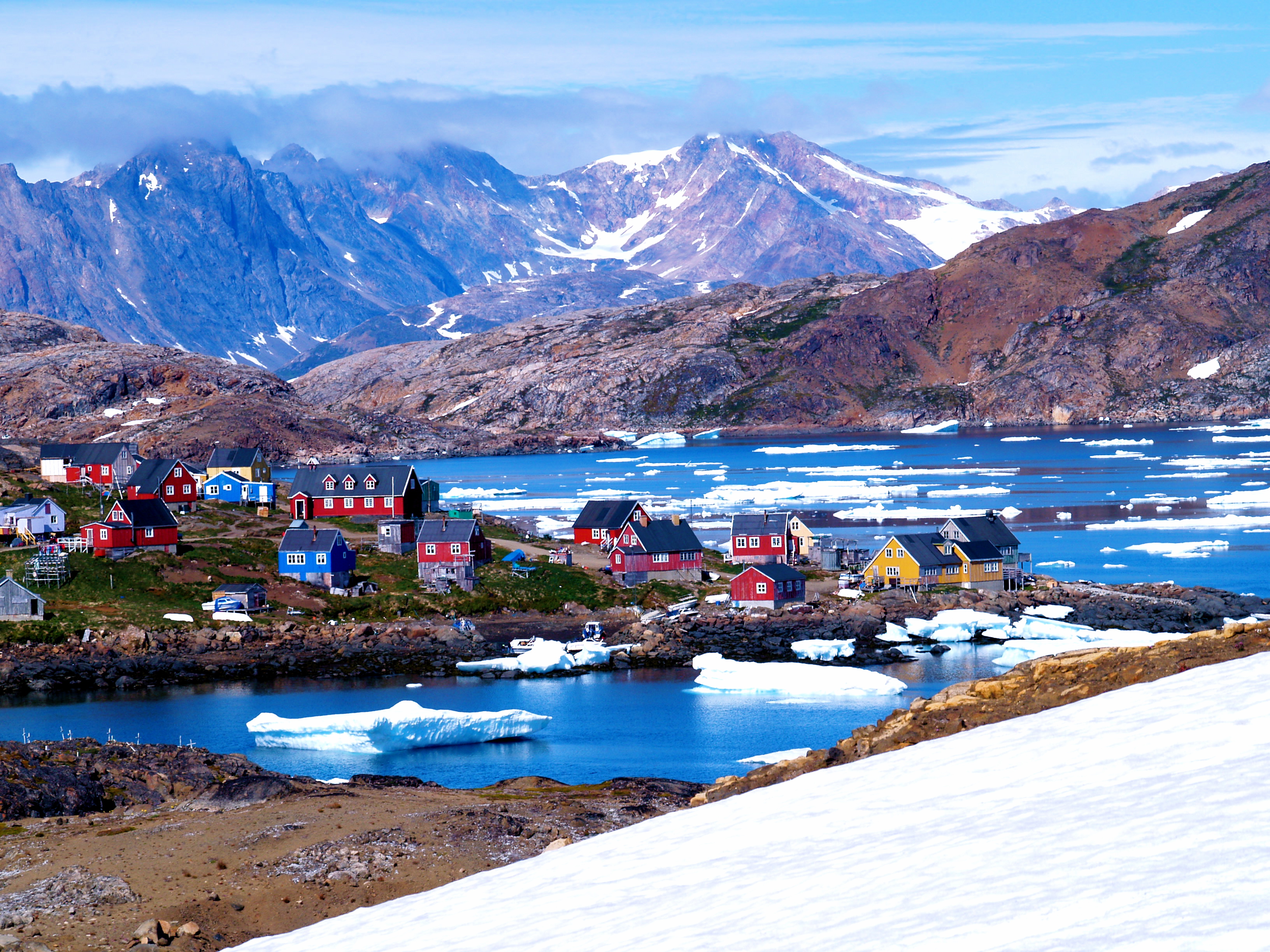
The current discourse regarding troop reductions highlights the challenges of balancing bilateral foreign policy objectives with the requirements of the NATO alliance. Analysts suggest that linking security guarantees to territorial acquisitions could strain the consensus-based decision-making process that defines the alliance. Official statements from the Danish Ministry of Foreign Affairs have consistently reiterated that Greenland remains a self-governing part of the Kingdom of Denmark and that discussions regarding its future are not subject to external pressure of this nature.
Impact on Transatlantic Security
The integration of military deployment plans with territorial negotiations is viewed by many European officials as a departure from standard diplomatic norms. The security of Europe remains heavily dependent on the U.S. commitment to Article 5, the collective defense clause of the North Atlantic Treaty. Any perception that this commitment is conditional could lead to calls for increased European strategic autonomy.
According to the North Atlantic Treaty Organization, the alliance functions on the principle that an attack on one member is an attack on all. The potential for the U.S. to use its troop levels as a bargaining chip creates uncertainty regarding the longevity of American military support in the region. Observers are now monitoring whether these reports will lead to formal diplomatic clarifications from the U.S. State Department or if they will remain a point of informal, yet significant, tension.
Next Steps in the Arctic Dialogue
The next major checkpoint for these issues will likely occur during upcoming NATO ministerial meetings, where defense spending and force posture are standard items on the agenda. Additionally, the Arctic Council continues to serve as the primary forum for international discussions concerning the region, though it remains focused on cooperation rather than territorial disputes. Readers interested in the official status of these bilateral relations can monitor updates via the U.S.

We invite our readers to share their perspectives on the intersection of Arctic geopolitics and traditional military alliances in the comments section below.