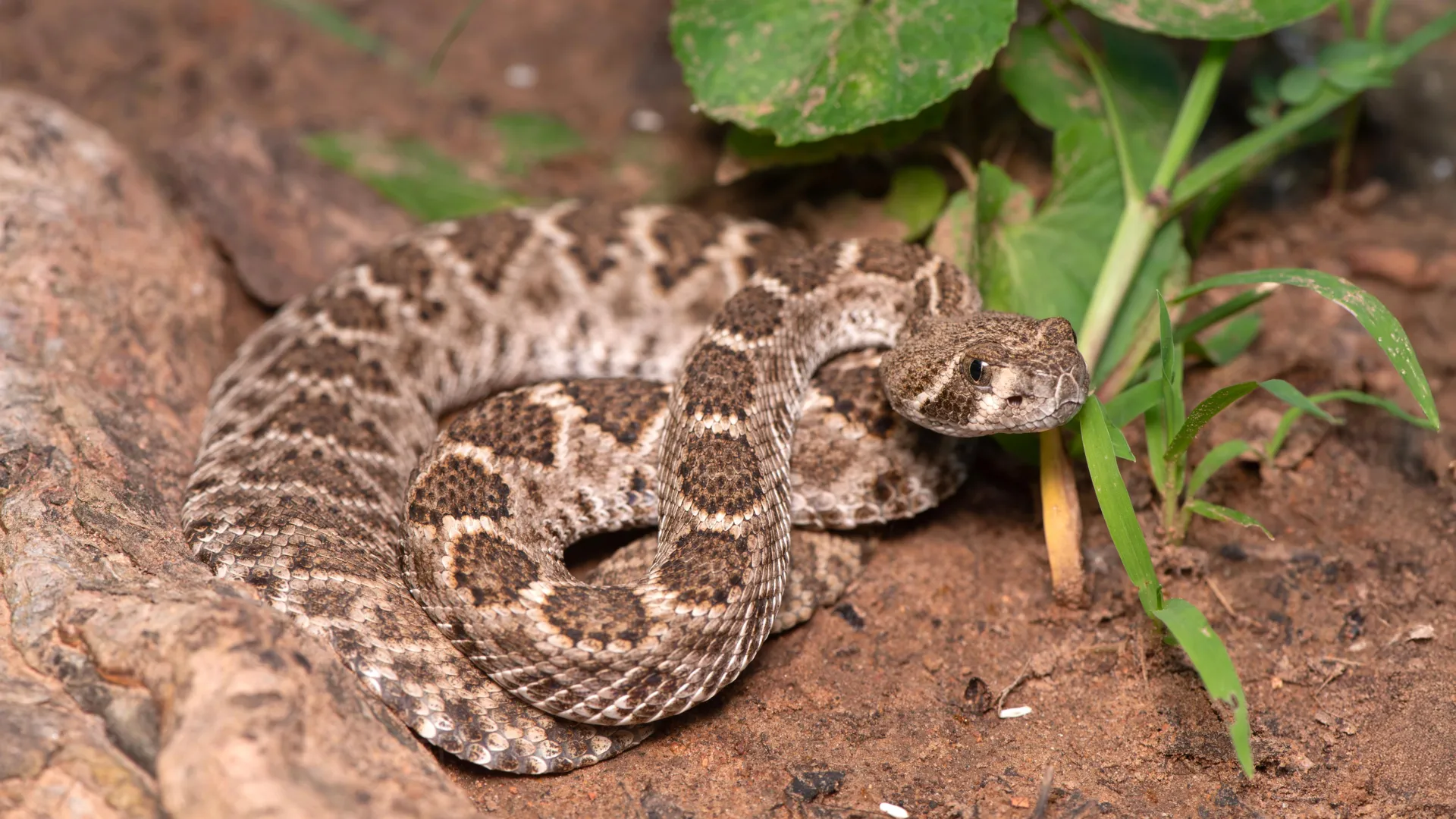
New research has challenged a persistent medical and cultural myth: the widely held belief that baby rattlesnakes are more dangerous than adults because they supposedly lack control over their venom delivery. According to a study published in the journal Toxicon, juvenile rattlesnakes possess the same physiological capability to regulate venom output as their adult counterparts, and they are generally less capable of delivering the massive, high-volume doses seen in mature snakes.
While any venomous snakebite requires immediate emergency medical attention, the study clarifies that the "more venomous" label applied to neonates is not supported by biological data. The research team analyzed venom delivery patterns across multiple age groups, finding that larger, adult snakes are the ones physically capable of injecting significantly higher quantities of venom, which correlates with more severe clinical outcomes in human bite victims.
Biological Reality vs. Persistent Folklore
For decades, the narrative that "baby rattlesnakes are more dangerous" has circulated, often justified by the claim that young snakes have not yet learned how to meter their venom, leading them to dump their entire supply in a single defensive strike. The study indicates that the musculature and glands controlling venom injection are functional from birth, and young snakes do not, in fact, "empty" their glands in a single strike unless under extreme duress.
The research—detailed in the peer-reviewed study in Toxicon—demonstrates that the volume of venom delivered is primarily a function of the snake’s size. Adult rattlesnakes possess larger venom glands and more developed muscles, allowing for a higher total output. In contrast, neonate rattlesnakes have a limited total reservoir of venom. Even if a young snake were to release its entire supply, the total volume is substantially lower than that of an adult, resulting in a less severe envenomation profile.
How the Myth Spread
The researchers also investigated the sociological aspect of this misconception, tracing its roots through decades of news reports and anecdotal accounts. Often, the myth was bolstered by “authoritative” quotes from individuals who lacked formal herpetological training but were treated as experts in local news coverage. These narratives served to heighten public fear, leading to a distorted understanding of snake behavior and bite risks.
The study highlights how media repetition created a feedback loop. When a bite occurred, the assumption that a “small snake” caused a “major reaction” was frequently attributed to the snake being a baby with “no control,” rather than considering other variables such as individual sensitivity to the venom, the location of the bite, or the time elapsed before receiving medical care. This cultural reinforcement persisted despite a lack of empirical evidence in the scientific literature to support the idea that neonates are more “trigger-happy” or chemically potent than adults.
Safety and Medical Guidance
Regardless of the age of the snake, medical professionals emphasize that all rattlesnake bites are serious medical emergencies. According to the Centers for Disease Control and Prevention (CDC), the priority following any suspected venomous snakebite is to seek professional medical care immediately. The myth regarding baby rattlesnakes can be dangerous if it leads victims to underestimate the severity of a bite from a larger snake or, conversely, to panic disproportionately when encountering a juvenile.
Clinical management of snakebites focuses on the administration of antivenom and supportive care, rather than the age of the snake. Medical experts remind the public that avoiding interaction with wildlife remains the most effective safety strategy. If you live in or visit areas where rattlesnakes are endemic, the most effective prevention is maintaining distance and wearing protective footwear when hiking or working in tall grass or rocky terrain.
As research into snake physiology continues, public health officials encourage reliance on data-driven information rather than historical anecdotes. The scientific community expects further studies to continue refining our understanding of envenomation dynamics, with the next major updates likely to be presented at regional herpetological society meetings and in future issues of toxicology journals. For more information on venomous snake safety, readers are encouraged to consult their local department of fish and wildlife or regional poison control centers.
Have you encountered this myth in your community or local news? Share your thoughts in the comments below.