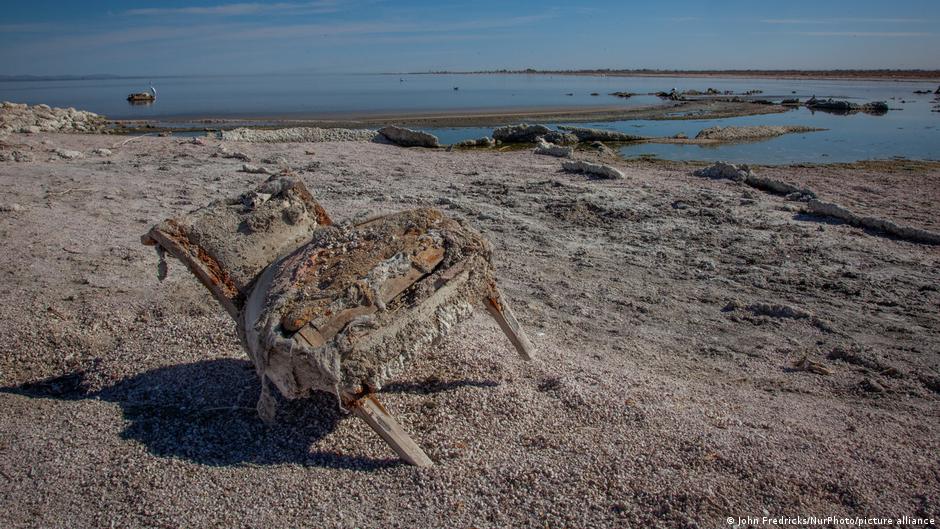
The Salton Sea, California’s largest inland body of water, is receding at a rate that has triggered significant public health concerns, specifically regarding air quality for residents in the Imperial and Coachella valleys. As the lake shrinks, it exposes thousands of acres of dry, mineral-rich lakebed—known as playa—which becomes a source of windblown dust containing salts, heavy metals, and pesticides. According to the California Natural Resources Agency, this environmental transition poses a long-term risk to respiratory health for the surrounding communities, where asthma rates are already among the highest in the state.
The Mechanics of the Salton Sea Crisis
The environmental decline of the Salton Sea is primarily driven by a reduction in agricultural runoff, which historically sustained the lake. As water conservation efforts have intensified across Southern California, less water reaches the basin. This creates a feedback loop: as the water level drops, the surface area of the exposed lakebed grows. When high winds sweep across the basin, fine particulate matter, commonly referred to as PM10, is lifted into the atmosphere. The California Air Resources Board maintains a network of monitors in the region to track these dust emissions, which frequently exceed federal air quality standards.
The chemistry of the exposed sediment complicates the situation. Because the lake has served as a drainage sink for decades of agricultural activity, the dust is not merely sand. It contains residues from fertilizers and pesticides, alongside naturally occurring minerals that become airborne. Residents living near the northern and southern shores report increased occurrences of respiratory distress, particularly during the region’s frequent windstorms. The U.S. Environmental Protection Agency (EPA) has identified the area as a priority for air quality management, yet the sheer scale of the receding shoreline makes containment a massive engineering challenge.
Stabilization Efforts and Infrastructure Projects
State and federal authorities are currently engaged in the Salton Sea Management Program (SSMP), a long-term plan designed to suppress dust and restore habitat. The primary strategy involves creating “dust suppression projects” by flooding portions of the exposed playa or planting native vegetation to anchor the soil. According to the California Natural Resources Agency, the state has committed to completing thousands of acres of these suppression projects to mitigate the impact on nearby populations.
The logistical hurdles are significant. The project requires constant water access in an arid environment, and the highly saline nature of the soil makes plant survival difficult. Furthermore, the U.S. Bureau of Reclamation works alongside state agencies to manage water rights and funding, balancing the needs of agricultural water districts with the urgent requirement to stabilize the lakebed. Despite these efforts, the pace of construction often lags behind the rate of recession, leading to ongoing frustration among local community groups who argue that the measures are insufficient to protect those most immediately affected.
Community Impact and Public Health Risks
For families residing in the communities of Brawley, Westmorland, and North Shore, the health consequences are a daily reality. Local health clinics have reported a persistent demand for asthma treatments and other respiratory interventions linked to the poor air quality. The California Department of Public Health has historically tracked these trends, noting that the combination of poverty and environmental degradation creates a “compounded health burden.”
Many residents express that while government-led restoration efforts are necessary, they feel the progress is too slow to prevent the immediate health impacts currently felt by children and the elderly. Community advocacy groups continue to push for more transparent reporting on air quality data and accelerated timelines for the construction of protective berms and wetlands. The Imperial Valley Press has documented numerous town hall meetings where residents have demanded faster implementation of the SSMP, citing the visible growth of the dust-prone areas near their homes.
Next Steps in the Salton Sea Management Program
The next major checkpoint for the Salton Sea Management Program involves the ongoing reporting of “acres completed” under the current 10-year plan, which is subject to annual review by the California legislature. Stakeholders are also awaiting the results of updated air quality modeling, which will determine if additional suppression methods—such as chemical soil stabilizers—are required to meet clean air targets. The California Natural Resources Agency publishes regular updates on these project milestones on their official website.
As the state continues to navigate the complex legal and environmental landscape of the Salton Sea, the focus remains on balancing agricultural water usage with the health and safety of the surrounding population. Readers interested in tracking specific progress on dust suppression projects or reviewing air quality advisories can find resources through the state’s dedicated portal. We encourage our readers to share their thoughts on the balance between water conservation and environmental restoration in the comments section below.