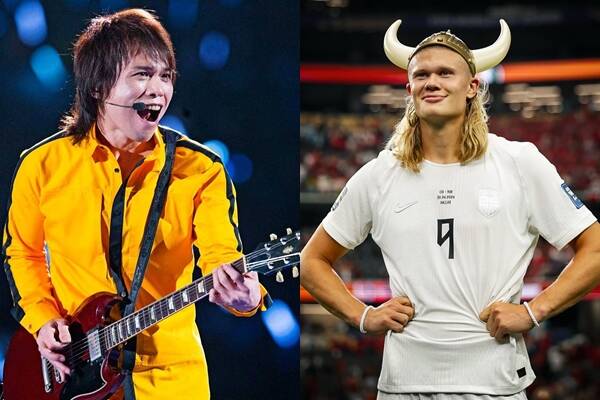
Manchester City striker Erling Haaland has garnered unexpected attention in the Mandopop world after social media activity linked the Norwegian footballer to Taiwanese singer Wu Bai. Following a match, Haaland shared content on his personal social media accounts featuring the iconic track “Norwegian Wood” (挪威的森林) by Wu Bai & China Blue, sparking widespread discussion among fans regarding his musical preferences.
The connection between the prolific goalscorer and the classic 1996 Mandopop ballad has resonated across digital platforms, particularly in Asia. While Haaland is primarily recognized for his record-breaking performances in the Premier League, this intersection of sports and music culture highlights the global reach of both his athletic profile and the enduring popularity of Wu Bai’s discography.
The Origins of Haaland’s Musical Footprint
The recent focus on Haaland’s music taste follows a broader trend of fans excavating the striker’s early life, including a viral music video from his adolescence. Years before becoming a household name in European football, a 16-year-old Haaland appeared in a rap video titled “Kygo Jo,” which gained traction online for its candid, amateur aesthetic. The video, produced in Norway, features Haaland and his friends performing, a clip that has been frequently recirculated by fans and sports commentators alike.
The resurfacing of this footage prompted lighthearted reactions from the football community and even industry professionals. Notably, Norwegian DJ Kygo has been linked to discussions regarding potential remixes of the amateur track. According to reports from international media outlets, the prospect of a professional rework of the decade-old video has been met with amusement by the player himself, who has engaged with the discourse surrounding his teenage creative endeavors.
Cultural Intersection: Football and Pop Music
The choice of “Norwegian Wood” as background music for his post-match content serves as a bridge between Haaland’s actual nationality and the legendary status of Wu Bai in the Chinese-speaking world. Wu Bai, often referred to as the “King of Rock” in Taiwan, released the titular track as part of his third studio album, which remains a staple of karaoke culture and radio play decades later. The alignment of a global sports icon with such a culturally significant piece of music has fueled social media trends, with fans drawing parallels between the “Norwegian” connection in both the song title and the player’s heritage.

For observers of sports marketing and athlete branding, these interactions represent a shift in how elite players engage with their global audience. By moving beyond traditional training or match-day updates, players like Haaland utilize music and cultural references to build a more multifaceted public persona. This strategy is particularly effective in engaging diverse demographics, including those in regions where the Premier League’s popularity is rapidly expanding.
Next Steps for the Striker
As Manchester City continues its competitive campaign across domestic and European fixtures, focus remains primarily on Haaland’s output on the pitch. The striker, who joined the Manchester club in July 2022 following a transfer from Borussia Dortmund, continues to be a central figure in Pep Guardiola’s tactical setup, as confirmed by official club records and league statistics available via the Premier League website.
Fans and followers looking for official updates on Haaland’s career, match statistics, and club appearances can find verified information through the official Manchester City website or the league’s central portal. While his foray into the world of Wu Bai has provided a moment of levity for the football community, the player’s schedule remains dominated by the demands of elite-level competition. Readers are encouraged to share their thoughts on this intersection of sports and music in the comments section below.