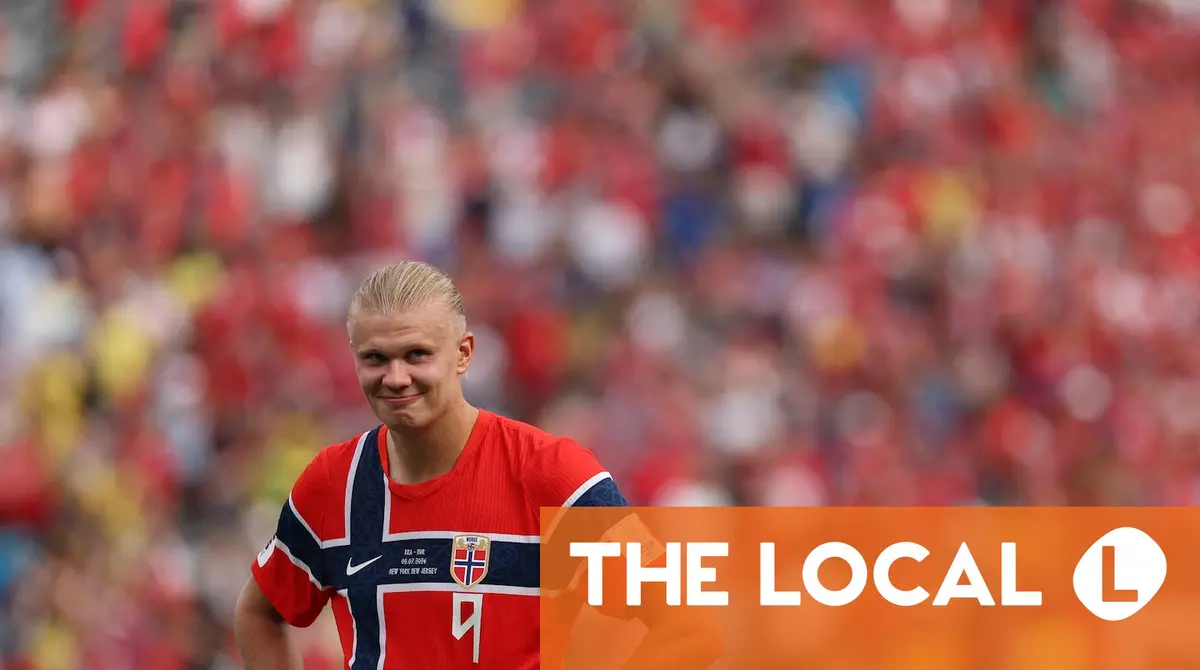
Whether Denmark, Sweden, and Norway will support one another during the FIFA World Cup remains a complex question of Nordic identity, balancing long-standing regional cooperation against intense athletic rivalry. While the three nations share deep historical, political, and cultural ties, their sporting relationship is defined by a competitive friction that often complicates regional solidarity on the pitch.
As the Editor for the World section at World Today Journal, I have spent over 14 years observing how geopolitical alliances often take a back seat to national pride in the sporting arena. While the Nordic countries frequently align on international policy, the prospect of a unified “Nordic” cheering section during a major tournament like the World Cup is rarely realized, as fans frequently prioritize their own national team’s success over regional neighbors.
The Nature of Nordic Sporting Rivalry
The relationship between Denmark, Norway, and Sweden is often described as a “sibling” dynamic, characterized by close bonds and periodic friction. In professional sports, this manifests as a fierce desire to outperform one another. According to cultural analysts, the “Nordic Model” of cooperation—which typically thrives in political and social spheres—rarely extends to the fan experience during international football matches. The intensity of these rivalries is a byproduct of the proximity and similarity between the three nations, leading to a “little brother” or “big brother” narrative that fans often lean into during tournament play.
Historical data on regional sporting events shows that while fans may express a general “Nordic” sentiment when none of their own teams are competing, the support evaporates the moment a direct matchup occurs. In the context of the FIFA World Cup, the primary allegiance remains strictly with the national team. If one Nordic country is eliminated, the decision to support a neighbor is usually a matter of individual fan preference rather than a collective national mandate.
Geopolitical Cooperation Versus Fan Allegiance
It is crucial to distinguish between inter-governmental cooperation and sporting support. The Nordic countries maintain a high level of integration through the Nordic Council, a formal body for inter-parliamentary cooperation that handles issues ranging from environmental policy to regional labor markets. This institutional closeness, however, does not dictate the emotional landscape of a World Cup stadium.

While government officials may occasionally offer symbolic support for a neighbor’s sporting achievement, the general public in Denmark, Sweden, and Norway remains deeply invested in their own distinct footballing identities. There is no official or state-led policy that mandates support for a regional neighbor in tournament play. For many fans, the idea of supporting a rival is considered counter-intuitive to the spirit of the competition, where national pride is the primary driver of engagement.
Factors Influencing Nordic Fan Support
Several factors determine whether fans from one Nordic country will adopt another as their “second team” during a tournament:
- Historical Rivalry: Matches between these nations carry significant cultural weight, making it difficult for fans to pivot to supporting their opponent in later stages of a tournament.
- Cultural Proximity: Because the cultures are so similar, a victory for one is often viewed through the lens of a “zero-sum game” rather than a regional win for the Nordic bloc.
- Media Narratives: Local media in each country tends to focus exclusively on their own national team’s journey, rarely encouraging the adoption of a neighbor’s team unless the domestic squad has been eliminated.
In practice, the support is often situational. If Norway is not qualified for a specific World Cup, some fans may choose to support Denmark or Sweden, but this is usually based on personal affinity, familial connections, or the desire to see a regional neighbor succeed for the sake of the Nordic profile on the global stage. It remains a personal choice rather than a national movement.
Looking Toward the Next Tournament
The next major checkpoint for Nordic football fans will be the qualification cycles for the upcoming 2026 FIFA World Cup. Official updates regarding qualification schedules and team standings can be monitored through the official FIFA World Cup website. Whether the Nordic nations find themselves cheering for one another will likely depend on their respective performances and whether their paths cross on the field.

We invite our readers to share their perspectives on the intersection of Nordic identity and sporting rivalries. How do you view the “sibling” dynamic in international football? Please feel free to join the conversation in the comments section below.