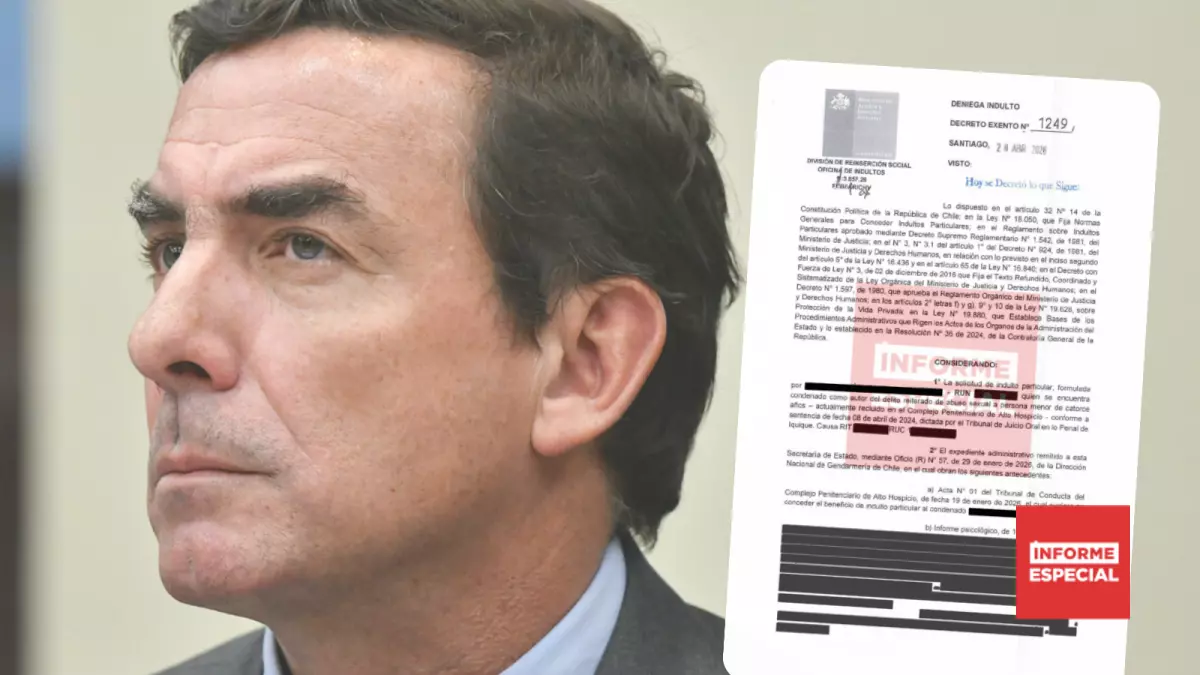
The administration has officially denied its first request for a presidential pardon, rejecting a petition from an individual convicted of sexual abuse. This decision marks a significant development in the government’s approach to clemency, as officials now face mounting political and social pressure regarding the potential pardoning of former military and security personnel convicted of human rights violations.
The First Presidential Pardon Rejection
The government confirmed the rejection of the pardon request, which was filed by an individual currently serving a prison sentence for sexual abuse. According to official reports from the Ministry of Justice, the executive branch reviewed the case under the established criteria for the Law of Pardons (Ley 18.050), which grants the President the authority to remit sentences in exceptional circumstances. By denying this specific request, the administration has signaled a restrictive approach to the use of executive clemency for crimes involving sexual violence.
This decision follows a period of heightened public scrutiny regarding the criteria used by the executive branch to evaluate such petitions. While the constitutional power to grant pardons is a prerogative of the head of state, the process requires a report from the Supreme Court, though that report is not binding upon the President. The rejection of this particular application has been framed by political observers as a test of the administration’s commitment to maintaining strict standards for criminal justice outcomes.
Pressure Regarding Convicted Uniformed Personnel
Following the rejection of the sexual abuse-related pardon, the administration is now navigating intensifying demands from various sectors to address the status of former members of the military and police forces currently incarcerated for human rights abuses committed during the military dictatorship. These groups argue that humanitarian grounds or advanced age should be considered for these inmates, a position that remains highly contentious within the national discourse.
Human rights organizations and victims’ groups have consistently opposed any move to grant pardons to those convicted of crimes against humanity, citing international obligations and the necessity of judicial finality. The government currently faces a delicate balancing act: managing the expectations of its political base while responding to formal petitions submitted by legal representatives of the convicted personnel. According to data from the Judicial Branch, the number of individuals seeking such relief remains a subject of ongoing legal review, with each case requiring an individual assessment of the merits and the potential impact on public order.
Legal Framework and Executive Prerogative
The legal framework governing these decisions is rooted in Article 32, number 16, of the Political Constitution of the Republic. This constitutional provision empowers the President to grant pardons, provided that the sentence has been finalized by a court of law. However, the application of this power is subject to intense public debate whenever it touches upon sensitive crimes, such as sexual abuse or systematic human rights violations.
Legal experts note that while the President maintains the authority to exercise this power, the political cost of pardoning individuals convicted of severe crimes is substantial. The administration’s recent rejection serves as a clear indicator of the current policy direction, aimed at avoiding the controversy that previously surrounded the pardon process. As the government continues to process pending applications, the criteria for “exceptional circumstances” will likely remain the focal point of legislative and public oversight.
Looking Ahead: Future Pardon Reviews
The next steps in this process involve the ongoing evaluation of pending petitions by the Ministry of Justice and the Ministry of the Interior. There is no set deadline for the resolution of these cases, but the administration is expected to continue its practice of referring cases to the judiciary for non-binding reports before making final determinations. Citizens and interest groups are encouraged to monitor the Ministry of Justice official website for any updates regarding official policy shifts or statistical reports on the status of pardon requests.

The government has not provided a specific timeline for the next batch of decisions, but the issue remains a prominent topic in the national legislative agenda. Readers are encouraged to contribute to the ongoing discussion regarding the balance between executive mercy and judicial accountability in the comments section below.