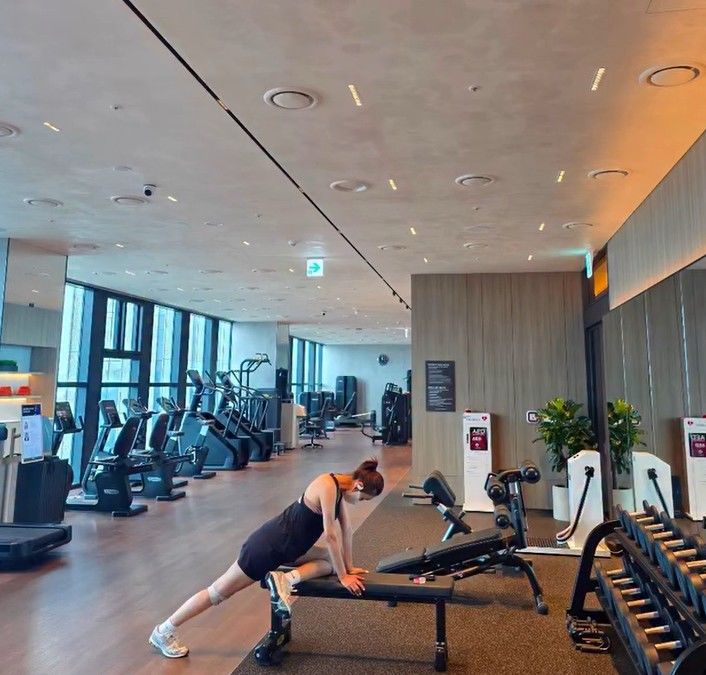
Actor Han Da-gam, currently in her 21st week of pregnancy, has shared her approach to maintaining physical health through modified exercise routines. In a recent update shared via social media, the 46-year-old performer emphasized that pregnancy does not necessitate a total cessation of physical activity, provided that intensity levels are adjusted to suit the changing needs of the body.
As a physician, I often see patients navigate the common misconception that pregnancy requires near-total physical inactivity. The key, as Han Da-gam noted, is the modification of intensity rather than the abandonment of the practice.
Understanding Physical Activity During Pregnancy
The primary concern for many expecting mothers is the safety of their developing fetus during exercise. According to the National Health Service (NHS), regular exercise is generally safe and beneficial during pregnancy. The core principle is to avoid exercises that carry a high risk of falling or abdominal trauma. For individuals like Han, who are in their second trimester, maintaining a routine often focuses on low-impact movements that support joint stability and cardiovascular health without overexertion.
Medical professionals typically advise that pregnant individuals should be able to hold a conversation while exercising—a metric often referred to as the “talk test.” If an individual becomes too breathless to speak, it is a clear physiological signal to reduce the intensity. This aligns with the approach of adjusting “intensity only,” ensuring the heart rate remains within a range that does not compromise blood flow to the uterus.
Managing Body Changes in the Second Trimester
At 21 weeks, the body is undergoing significant musculoskeletal changes. The surge in the hormone relaxin begins to loosen ligaments to prepare for childbirth, which can make joints more susceptible to injury.
Han Da-gam’s focus on “management” reflects a proactive stance toward prenatal wellness. By tailoring her routine, she is likely focusing on core stability and pelvic floor health, which are essential for supporting the added weight of the uterus. For any reader considering a similar approach, it is vital to remember that every pregnancy is unique. What is appropriate for one person may not be for another, particularly for those with underlying conditions such as placenta previa, cervical insufficiency, or pregnancy-induced hypertension.
Consultation and Safety Guidelines
Before beginning or continuing any exercise regimen during pregnancy, standard medical practice dictates that patients must consult with their obstetrician or midwife. These providers can assess individual risk factors and offer personalized advice on which activities are safe. The Centers for Disease Control and Prevention (CDC) suggests that healthy women should aim for at least 150 minutes of moderate-intensity aerobic activity each week.
If you are planning to adjust your lifestyle during pregnancy, keep a log of how your body responds to different activities. Watch for warning signs that necessitate an immediate halt to exercise, such as vaginal bleeding, dizziness, chest pain, calf pain or swelling, or regular painful uterine contractions. These are clinical red flags that require prompt medical evaluation.
As we continue to monitor health and wellness trends, I encourage our readers to share their own experiences with prenatal fitness in the comments section below. For those seeking the most current clinical updates, the next scheduled guidance review from major health authorities remains ongoing; ensure you check your local health ministry’s official website for region-specific prenatal safety advisories.