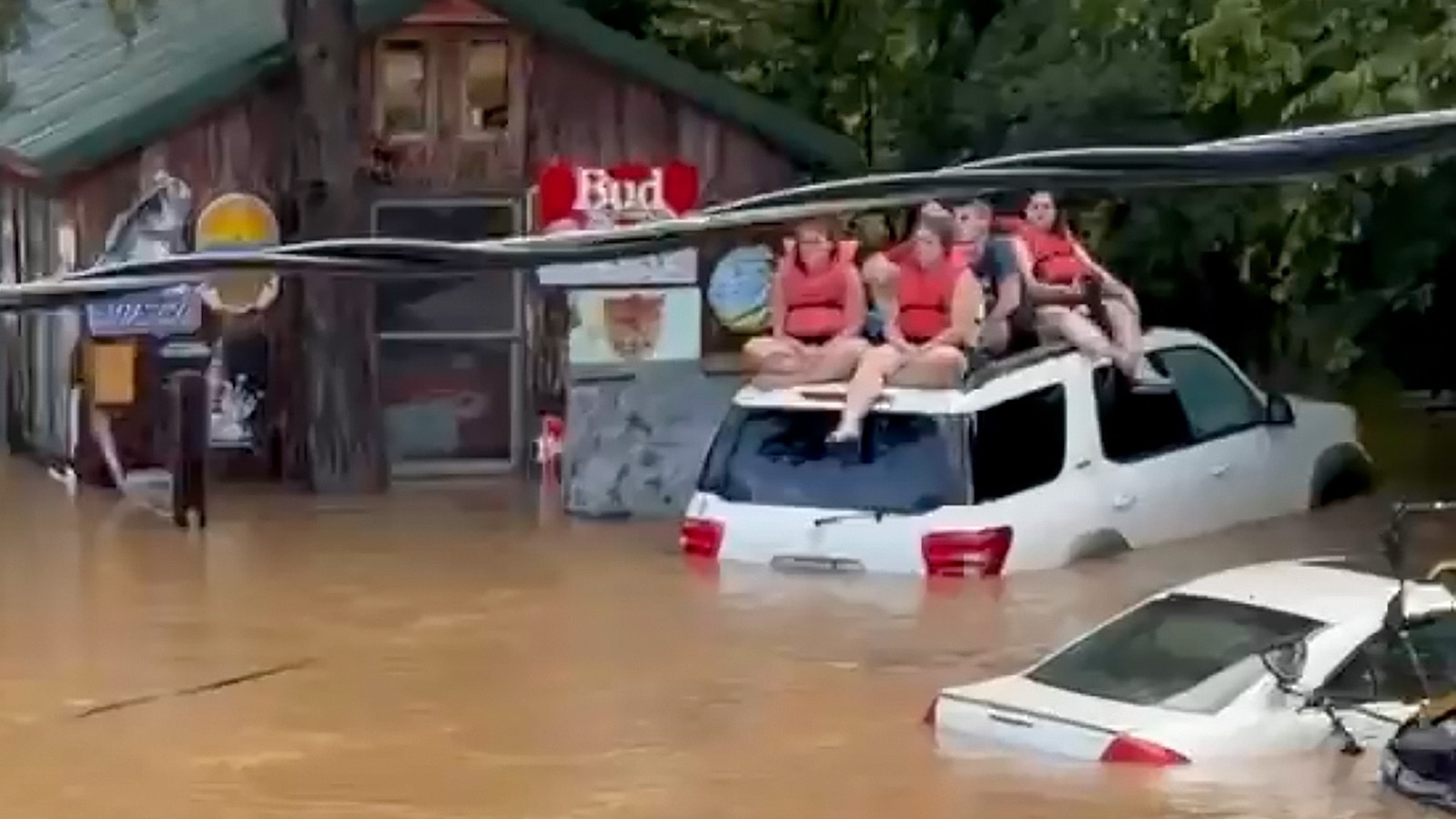
Missouri Governor Mike Parson declared a state of emergency on Friday, November 8, 2024, as severe flash flooding impacted central, south-central, and southeastern regions of the state. The emergency declaration follows intense rainfall that triggered rapid water level rises, leading to significant infrastructure damage and hazardous conditions for residents and visitors alike. According to the Office of the Missouri Governor, the executive order allows state agencies to coordinate resources and provide rapid assistance to affected jurisdictions.
The flooding incident gained national attention following the collapse of a structure at a campground near the Meramec River. Emergency responders were called to perform water rescues after rising floodwaters compromised the building’s foundation. Local authorities have confirmed that multiple individuals were safely evacuated from the site, though the structural failure highlights the severe risks posed by the ongoing weather event. The National Weather Service (NWS) has issued multiple flash flood warnings for the affected counties, urging residents to avoid travel through flooded roadways.
Emergency Response and Regional Impact
The state of emergency, formalized under Executive Order 24-11, activates the Missouri State Emergency Operations Plan. This directive streamlines the deployment of personnel and equipment from the Missouri Department of Public Safety and the Missouri State Highway Patrol to assist local emergency management efforts. Governor Parson emphasized that the primary objective of the declaration is to protect life and property while ensuring that local municipalities have the necessary support to mitigate the damage caused by the high-water events.
The flooding has been particularly concentrated in low-lying areas near river basins. In addition to the campground rescue, state officials are monitoring several high-water crossings that have been closed to traffic. The Missouri Department of Transportation maintains a real-time map of road closures, warning motorists that driving through flooded streets remains the leading cause of weather-related vehicle deaths. Officials report that several inches of rain fell over a 24-hour period, saturating the ground and preventing normal drainage.
Understanding Flash Flood Hazards in Missouri
Flash flooding in Missouri is often exacerbated by the state’s unique topography and river systems. When heavy rainfall occurs over a short duration, the soil quickly reaches its absorption limit, resulting in rapid runoff into creek beds and rivers. This creates a “flash” effect, where water levels rise in minutes rather than hours. The NWS notes that even a few inches of flowing water can be enough to move vehicles or compromise the structural integrity of older or riverside buildings.
For those in affected regions, state officials recommend adhering to the “Turn Around, Don’t Drown” protocol. This means never attempting to drive across a flooded road, regardless of the perceived depth of the water. Furthermore, residents are encouraged to monitor local news stations and the National Weather Service website for updated warnings as the weather pattern continues to shift across the state.
Next Steps for Affected Residents
As the state transitions into recovery mode, local emergency management offices are tasked with documenting damage to private and public property. This documentation is essential for potential federal assistance requests. Residents who have experienced property damage are advised to contact their local emergency management agency to report the scope of the impact. This data collection process is a critical step in assessing whether the state meets the threshold for federal disaster declarations from agencies such as FEMA.
The state of emergency is expected to remain in effect until the floodwaters recede and the immediate threat to public safety has passed. Officials will provide updates on the status of the executive order and any additional resources being deployed to the hardest-hit areas. We will continue to monitor the situation as the recovery efforts progress and official damage assessments are released. Please share this report with neighbors in the affected regions to ensure they have access to the latest safety advisories.