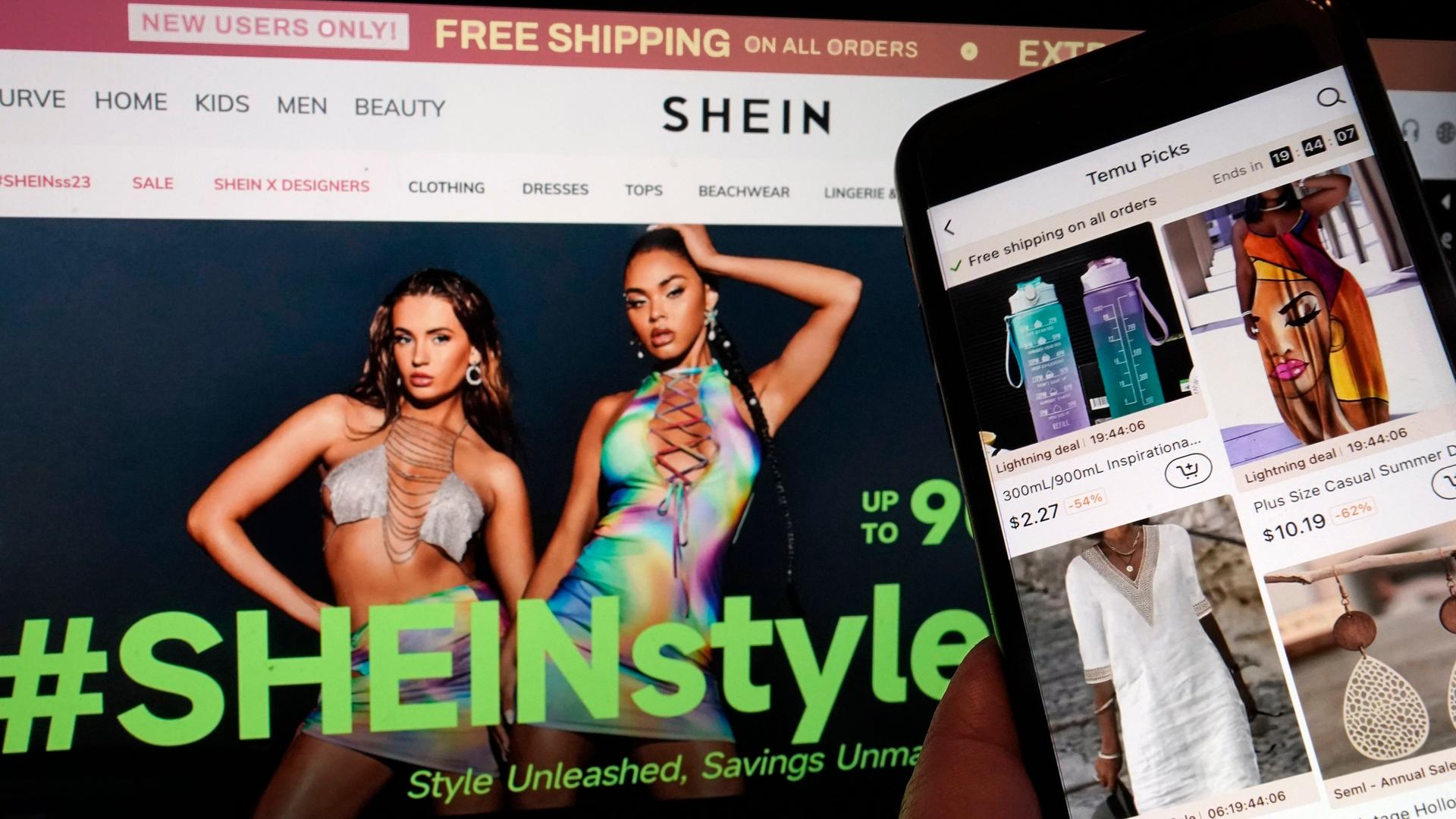
Chinese fast-fashion retailer Shein has received regulatory approval from the China Securities Regulatory Commission (CSRC) to proceed with its long-anticipated initial public offering (IPO) in Hong Kong, according to recent regulatory filings. This decision marks a significant shift in the company’s path toward a global stock market debut after previous attempts to list in the United States faced intense scrutiny from both American and Chinese authorities.
The approval comes as Shein, founded in China in 2012, seeks to solidify its status as a major player in the global retail sector. Although the company moved its corporate headquarters to Singapore in recent years, its deep-rooted manufacturing and supply chain operations remain heavily reliant on China. According to official documentation from the CSRC, the green light allows the company to move forward with the necessary legal preparations for a listing on the Hong Kong Stock Exchange (HKEX).
Regulatory Hurdles and Strategic Shifts
Shein’s journey to an IPO has been complex, characterized by shifting geopolitical tensions and evolving data security regulations. For years, the company operated with a relatively low public profile before its rapid expansion during the COVID-19 pandemic made it a household name. However, as the brand prepared for a potential IPO in New York, it encountered significant headwinds. United States lawmakers repeatedly raised concerns regarding the company’s supply chain transparency, particularly allegations concerning forced labor in the Xinjiang region, and its reliance on the “de minimis” trade exemption, which allows small-value shipments to enter the U.S. duty-free.

In response to these pressures, Shein attempted to pivot its focus toward London, yet those plans also stalled due to regulatory and political resistance. By securing approval for a Hong Kong listing, the company appears to be prioritizing a venue that offers a more streamlined regulatory environment while maintaining proximity to its core Asian investors and manufacturing base. As reported by Reuters, the transition to a Hong Kong-based strategy is viewed by market analysts as a defensive move to mitigate the risks associated with the heightened scrutiny it faced in Western markets.
Operational Structure and Global Reach
While the company’s legal domicile is now in Singapore, its operational model remains distinct. It utilizes a vast network of third-party manufacturers in China to produce clothing at a speed and scale that has disrupted traditional retail models. This “on-demand” manufacturing model allows the company to test small batches of apparel and quickly scale production based on real-time data from its mobile application, a strategy often referred to as “real-time retail.”
The shift to Hong Kong is not merely a change in venue; it reflects the broader challenges that Chinese-founded tech and retail giants face when seeking capital in international markets. According to the Hong Kong Stock Exchange, companies seeking an IPO must comply with stringent disclosure requirements regarding their corporate governance and supply chain practices. For Shein, this means subjecting its opaque supply chain to the rigorous audit standards required of public companies, a development that investors will be watching closely as the IPO process moves forward.
What This Means for Global Investors
The approval from the CSRC is a critical checkpoint, but it does not guarantee a successful market debut. The company must still navigate the specific listing requirements of the HKEX and address the concerns of global institutional investors who are increasingly focused on Environmental, Social, and Governance (ESG) criteria. The retail industry faces increasing pressure to prove the sustainability of its practices, and Shein’s ability to demonstrate compliance with international labor and environmental standards will likely determine the valuation it receives during the IPO process.
Market participants are now waiting for the next phase of the process: the filing of the formal listing application, which will provide the public with the first detailed, audited look at the company’s financial performance. Until that document is made public, exact figures regarding the company’s target valuation remain speculative. The next confirmed step will be the formal submission of the prospectus to the Hong Kong regulators, at which point the timeline for the roadshow and subsequent pricing will become clear.
The retail landscape is shifting, and the entry of a company of this scale into the public markets will undoubtedly reshape investor expectations for the sector. We encourage our readers to follow our ongoing coverage as more details become available through official regulatory disclosures. Please share your thoughts in the comments section below.