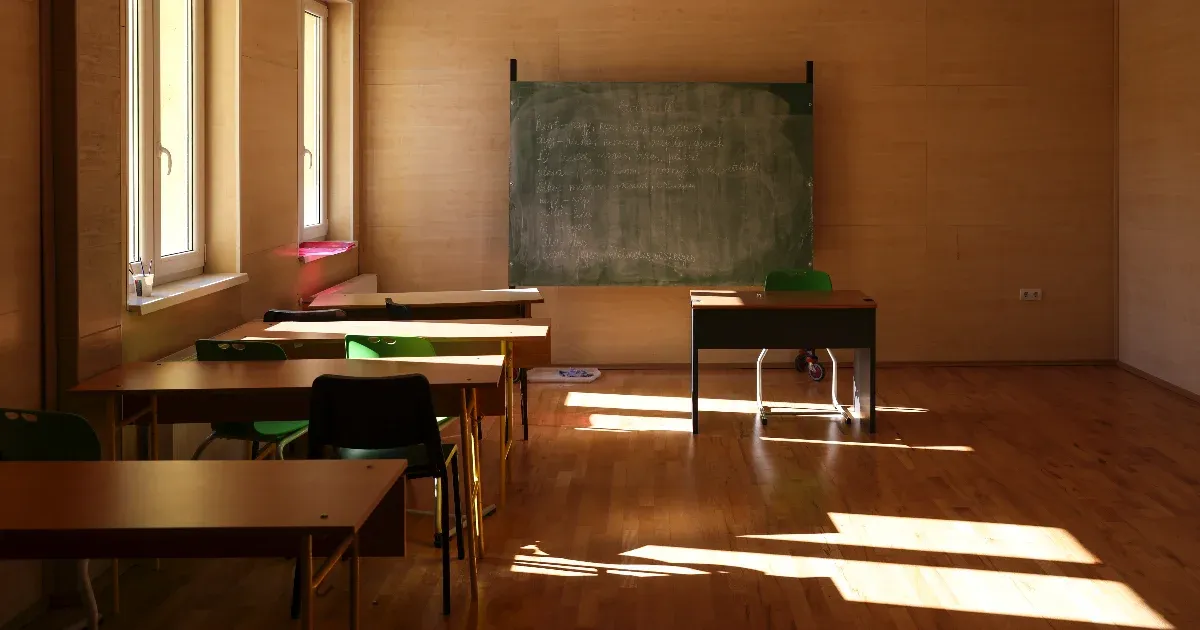
Educational systems that implement early tracking—the practice of separating students into different academic streams or classes based on perceived ability or socioeconomic background—often inadvertently widen the achievement gap between children from varying social strata. Recent international research and educational policy analysis indicate that while proponents of tracking suggest it allows for tailored instruction, the long-term structural impact frequently results in lower mobility and diminished outcomes for students placed in lower-tier groups.
The core of this issue lies in the correlation between early academic sorting and existing social inequalities. According to the Organisation for Economic Co-operation and Development (OECD), school systems that delay the age at which students are sorted into different academic tracks tend to show higher levels of equity and better overall performance in standardized assessments like PISA. In systems where children are separated as early as age 10 or 12, the socioeconomic background of a student becomes a significantly stronger predictor of their academic trajectory than their individual cognitive potential.
The Impact of Early Selection on Social Mobility
When educational institutions categorize students into “advanced” and “remedial” tracks, they often create self-fulfilling prophecies. Students placed in higher tracks are frequently exposed to more rigorous curricula, more experienced teaching staff, and peer groups that reinforce academic ambition. Conversely, students relegated to lower tracks often face diminished expectations and limited access to the resources required to bridge the gap to higher education.
Data from the UNESCO Global Education Monitoring Report highlights that rigid tracking systems tend to cement social stratification. In countries where such systems are prevalent, the children of parents with lower educational attainment are statistically less likely to transition into higher-tier academic tracks, regardless of their own measured ability. This creates a cycle where the school system reinforces, rather than mitigates, the disadvantages present at home.
Pedagogical Arguments and Systemic Realities
Advocates for ability grouping often argue that homogeneous classrooms allow teachers to customize their pace and methodology to better suit student needs. However, educational researchers suggest that these benefits are frequently offset by the negative psychological effects of labeling. When students are segregated, those in lower-ability groups often internalize the stigma of their placement, which can lead to lower self-efficacy and reduced engagement with the learning process.

Furthermore, the National Foundation for Educational Research has noted that the quality of instruction in lower-stream classes is often compromised by lower teacher expectations. When teachers perceive a class as “less capable,” the depth of content and the complexity of classroom discourse often decline, effectively limiting the intellectual development of those students compared to their peers in higher-stream classes.
International Policy Trends
Many nations are moving toward more inclusive, “comprehensive” models of education that emphasize heterogeneous classrooms—where students of varying abilities learn together. The rationale is that inclusive environments encourage peer-to-peer learning and expose all students to a broader range of perspectives and problem-solving strategies. These systems rely on differentiated instruction within the classroom rather than the physical separation of students into different rooms or schools.
Evidence suggests that countries that have moved to postpone tracking—such as those following the Nordic model—have seen improvements in both social equity and overall student achievement levels. By keeping students together for a longer period, schools can provide targeted support to those struggling without permanently limiting their future academic opportunities.
Addressing the Gap in Practice
For policymakers, the challenge remains balancing the need for individualized support with the systemic dangers of segregation. Effective interventions often involve:
- Flexible Grouping: Using short-term, task-specific grouping rather than permanent tracking.
- Resource Allocation: Ensuring that students from disadvantaged backgrounds receive additional support within the mainstream classroom.
- Teacher Training: Equipping educators with the skills to manage diverse classrooms effectively without relying on rigid stratification.
The ongoing debate over how to organize classrooms reflects a fundamental tension in modern education: the choice between efficiency in teaching and the broader goal of social equity. As global educational standards continue to evolve, the focus is increasingly shifting toward systems that prioritize the long-term success of all students over the administrative convenience of early selection.
The next major opportunity for international comparison will arrive with the release of the next cycle of PISA data, which will provide further insights into how post-pandemic educational policies have impacted tracking and student outcomes. Readers are encouraged to monitor updates from the OECD Education Directorate for the latest findings on global schooling trends. Please share your thoughts and experiences regarding educational tracking in the comments section below.