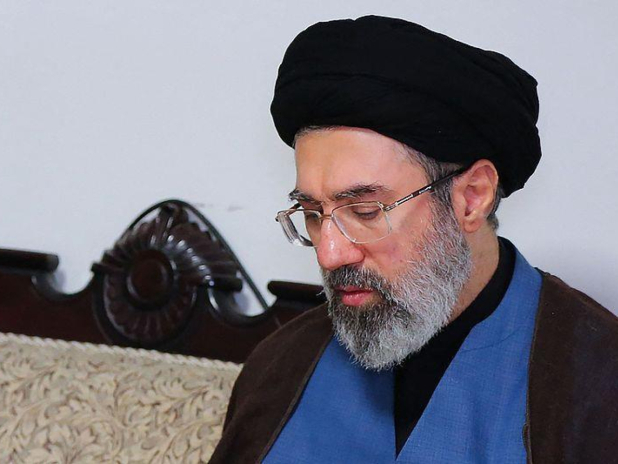
Iran’s leadership has issued strong warnings of retaliation following recent regional escalations, vowing to seek justice for what the state characterizes as the martyrdom of its officials and allies. The commitment to hold the United States and Israel accountable marks a significant intensification in rhetoric, as Tehran navigates a period of internal transition and heightened external military pressure across the Middle East. Official statements from the Iranian government underscore a policy of non-negotiation until international stances toward the Islamic Republic shift significantly.
Official Stance on Retaliation and Accountability
The Iranian Supreme Leader has publicly affirmed that the state will pursue legal and strategic accountability for those responsible for the deaths of key figures. According to reports from the BBC, these developments coincide with localized military exchanges between Iranian forces and U.S. interests, signaling a volatile security landscape. The leadership has framed these actions as a matter of national sovereignty and honor, insisting that the path to regional stability remains blocked by the actions of external powers.
The government’s position remains firm regarding potential diplomatic overtures. Iranian officials have reportedly indicated that they will not engage in formal negotiations with the United States unless there is a fundamental change in Washington’s policy toward Tehran. This stance reflects a long-standing pattern of Iranian foreign policy, where diplomatic engagement is often contingent upon the removal of sanctions or the recognition of Iran’s regional security interests.
Regional Tensions and Public Sentiment
Following the death of key leadership figures, public displays of grief and anger have been visible across Iran. During funeral processions and state-sanctioned mourning events, crowds have frequently chanted anti-American and anti-Israeli slogans, reflecting the official state narrative. These events serve both as a venue for collective mourning and a platform for the government to project strength and unity in the face of perceived external aggression.
The atmosphere surrounding these events has been marked by high security and intense emotional rhetoric. Reports from state-affiliated media channels have emphasized the resolve of the Iranian public, while international observers remain focused on how these domestic sentiments may constrain or embolden the government’s future military and diplomatic decisions. The intersection of domestic political pressure and international conflict continues to define the current trajectory of the Iranian state.
Geopolitical Context and Future Implications
The current cycle of violence and rhetoric is embedded within a complex web of regional alliances and historical grievances. The involvement of figures such as the late Supreme Leader’s successors and other high-ranking officials in shaping the response highlights the continuity of the state’s strategic goals. As Reuters has documented in ongoing coverage of regional security, the exchange of fire and threats of further action risk drawing other regional actors into the conflict.

For the international community, the primary concern remains the potential for miscalculation. While the Iranian leadership has expressed a desire for “justice,” the definition of that term in a military context remains ambiguous, leading to significant fluctuations in regional market stability and diplomatic efforts. Observers note that the lack of direct communication channels between Tehran and Washington exacerbates the risk of unintended escalation.
Monitoring the Situation
As of this writing, there is no scheduled date for a formal diplomatic breakthrough, and the situation on the ground remains fluid. The international community is closely monitoring the United Nations and other multilateral bodies for any signs of de-escalation efforts, though none have been confirmed as of late. Readers are encouraged to monitor updates from official government statements and verified international news agencies for the most accurate information regarding regional movements.
If you found this analysis helpful, please share this report with your network or leave a comment below to join the discussion on these evolving geopolitical developments.