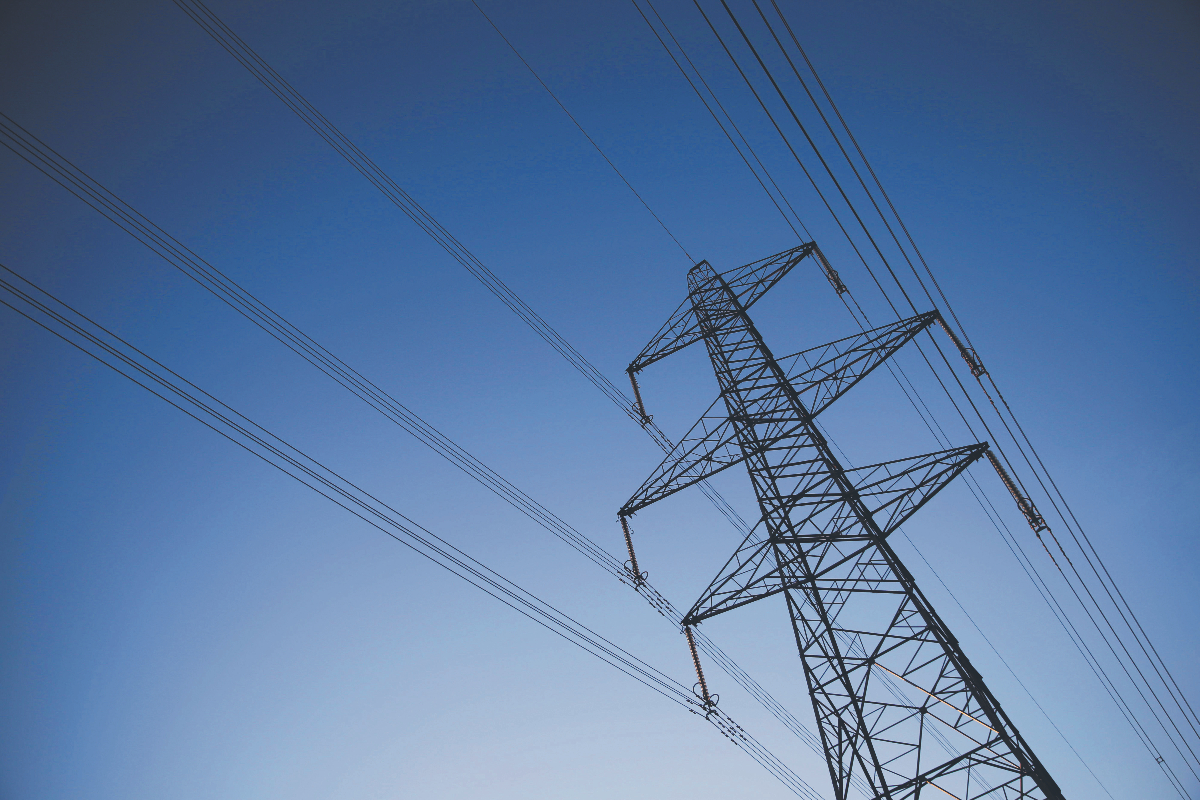
The International Energy Agency (IEA) has issued a stark assessment of Europe’s energy transition, warning that the continent’s failure to rapidly electrify its economy since the 2022 energy crisis represents a “major mistake.” According to IEA Executive Director Fatih Birol, Europe’s current electrification rate—the share of total energy consumption derived from electricity—remains stagnant at approximately 23 per cent, a figure he argues undermines both regional economic competitiveness and energy sovereignty.
This assessment comes as European policymakers face mounting pressure to decouple their industrial, transport, and heating sectors from imported fossil fuels. With global supply chains constrained by ongoing geopolitical volatility, including disruptions in the Middle East that have impacted oil fields and maritime transit, the reliance on external energy sources has left many nations vulnerable to price spikes and supply shortages.
The Case for Accelerated Electrification
Fatih Birol, speaking to the Financial Times, expressed disappointment that European nations have not shown greater urgency in response to the volatility that has defined the energy landscape over the last five years. While the European Union has made strides in renewable power generation, the integration of that electricity into the broader economy—specifically through heat pumps, electric vehicles, and industrial electrification—has lagged behind global peers.

In contrast, international benchmarks provided by the IEA indicate that economies such as China, Japan, and South Korea have achieved electrification rates exceeding 30 per cent. Birol suggests that if Europe is to secure its economic future, it must emulate these higher rates of integration. European Energy Commissioner Dan Jorgenson has acknowledged these structural dependencies, noting that significant portions of the EU’s heating and industrial infrastructure remain tethered to traditional fossil fuel inputs.
Policy Shifts and Tax Reforms
To address these systemic hurdles, the European Commission is preparing to introduce new proposals aimed at incentivizing a shift toward green technology. Central to these upcoming plans is a mandate to restructure energy taxation. The goal is to lower taxes on electricity while maintaining or increasing the relative cost of fossil fuels, thereby making heat pumps and electric vehicles more attractive to households and businesses.

However, this transition presents a fiscal challenge for member states that currently rely heavily on taxes derived from electricity bills to fund national budgets. Furthermore, the IEA has identified grid capacity as a significant bottleneck. Grid congestion, occurring at both national and regional levels, is currently acting as a primary constraint on the EU’s ability to absorb higher volumes of renewable electricity and distribute it efficiently to end-users.
The Debate Over North Sea Drilling
The urgency of the energy transition has sparked intense domestic debate within the United Kingdom, particularly regarding the role of the North Sea in securing short-term supply. UK Energy Secretary Ed Miliband has maintained a firm stance against authorizing new oil and gas drilling projects, citing the government’s commitment to its net zero targets.

This position faces pushback from both industry figures and political factions. Reports indicate that some members of the Labour Party have pressured leadership to reconsider the moratorium on new licenses, though reports suggest the government remains non-committal. The urgency of this debate is heightened by concerns regarding the Jackdaw gas platform; its operators have warned that without further production approvals, the UK could face domestic supply shortages during the winter months.
The regulatory environment remains similarly complex. The industry regulator is currently reviewing revised production applications for both the Jackdaw project and the Rosebank oil field. These reviews follow a judicial ruling that determined previous approvals for these projects were granted unlawfully.
As the European Commission prepares to present its new legislative framework next week, the tension between long-term decarbonization goals and immediate energy security remains the central challenge for policymakers across the region. Further updates are expected following the Commission’s official release of its taxation and support proposals.
Readers interested in the latest energy policy developments are encouraged to follow official updates from the European Commission and the UK Department for Energy Security and Net Zero. Join the conversation below regarding the balance between net-zero targets and energy independence.