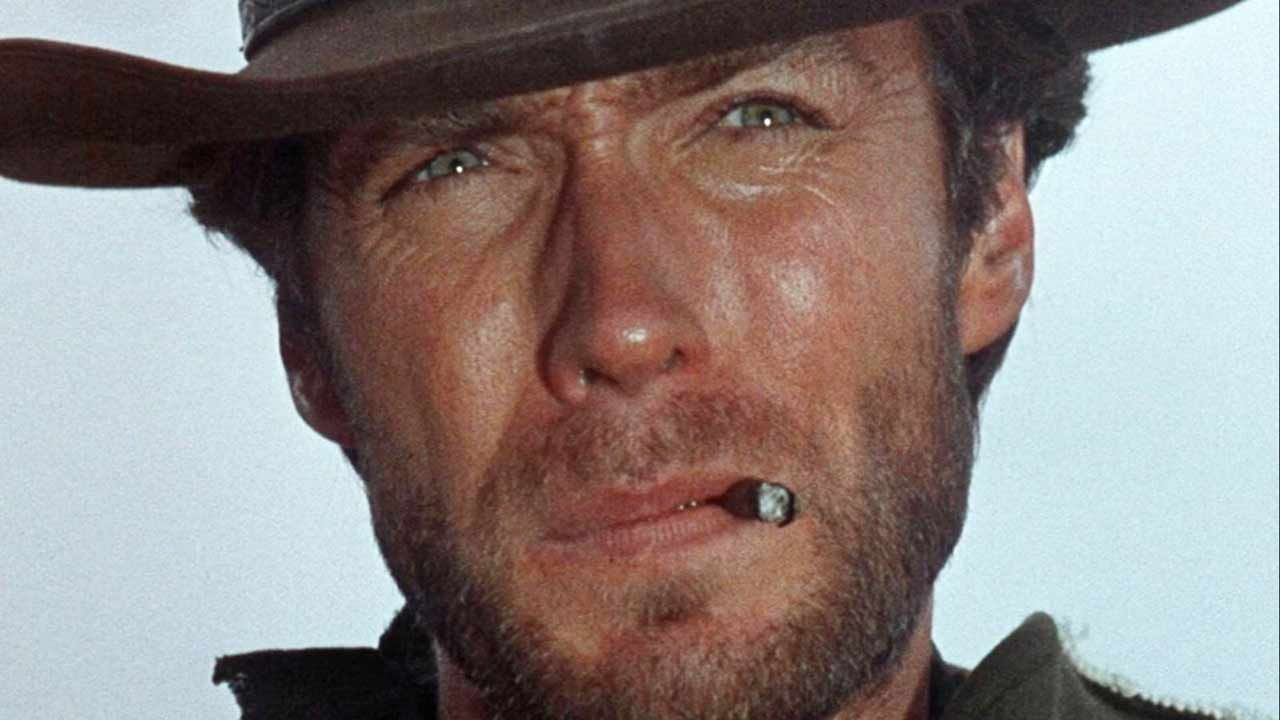
In 1964, the release of A Fistful of Dollars—known in its original Italian production as Per un pugno di dollari—transformed the landscape of global cinema and launched Clint Eastwood into international stardom. While the film is now considered a foundational masterpiece of the Spaghetti Western genre, its production was marked by a series of casting challenges that nearly prevented Eastwood from securing the role of the “Man with No Name.”
The film, directed by Sergio Leone and produced by Jolly Film, was not an immediate choice for the American actor. At the time, Eastwood was primarily known for his role as Rowdy Yates in the long-running television series Rawhide. According to historical accounts documented by the British Film Institute (BFI), the production team initially sought more established Hollywood names to anchor the film, as the Western genre was undergoing a significant transition in the mid-1960s.
The Casting Process Behind A Fistful of Dollars
Before Clint Eastwood was signed to the project, the production team approached several prominent actors to lead the film. Sergio Leone and his producers reportedly extended offers to James Coburn, Charles Bronson, and Henry Fonda, all of whom declined the project. The decision to cast Eastwood was largely a matter of financial constraints and availability. Eastwood’s salary for the film was $15,000, a figure that allowed the production to remain within its modest budget while securing an actor with a recognizable, albeit niche, television following.

This casting pivot proved to be one of the most significant decisions in Western film history. Eastwood’s portrayal of the laconic, poncho-clad gunslinger redefined the archetype of the anti-hero. As noted in archival research by the Academy of Motion Picture Arts and Sciences, the success of A Fistful of Dollars did not just revitalize Leone’s career; it created a blueprint for the “Dollar Trilogy,” which included For a Few Dollars More (1965) and The Good, the Bad and the Ugly (1966).
The Impact of the Spaghetti Western on Global Markets
The financial success of the film was unexpected by many industry observers at the time. Produced on a budget estimated at approximately $200,000, the film went on to generate significant returns upon its international distribution. The cultural impact of the “Spaghetti Western” shifted the economic focus of the film industry toward European-led productions filmed in locations such as Spain’s Tabernas Desert, which stood in for the American Southwest.

This shift in production geography allowed European studios to operate with lower overhead costs while maintaining high production values. The collaboration between Italian producers and American talent effectively opened a new export market for European cinema. Clint Eastwood’s transition from a supporting television actor to a global box-office draw demonstrated the potential for cross-continental film investment, a model that continues to influence international co-productions today.
Legacy and Preservation
Sixty-two years after the initial development phase of the project, the film remains a subject of study for its innovative use of music—composed by Ennio Morricone—and its minimalist dialogue. The restoration of these classics has become a focal point for organizations like the Cineteca di Bologna, which works to preserve the integrity of the original film prints. For those interested in the technical history of the film’s production, the British Film Institute (BFI) maintains extensive archives regarding the impact of Italian Westerns on 20th-century media.

The narrative of Eastwood’s rise to prominence serves as a case study in the unpredictability of the entertainment industry. Had any of the actors approached prior to Eastwood accepted the role, the iconic persona of the “Man with No Name” would likely have taken a drastically different form, potentially altering the trajectory of the Western genre entirely.
As academic institutions and film archives continue to release new research on mid-century production logs, further details regarding the specific contract negotiations of 1964 may emerge. Readers are encouraged to monitor updates from the Academy of Motion Picture Arts and Sciences for further documentation on the preservation of these cinematic milestones. We invite you to share your thoughts on the legacy of the Spaghetti Western in the comments section below.