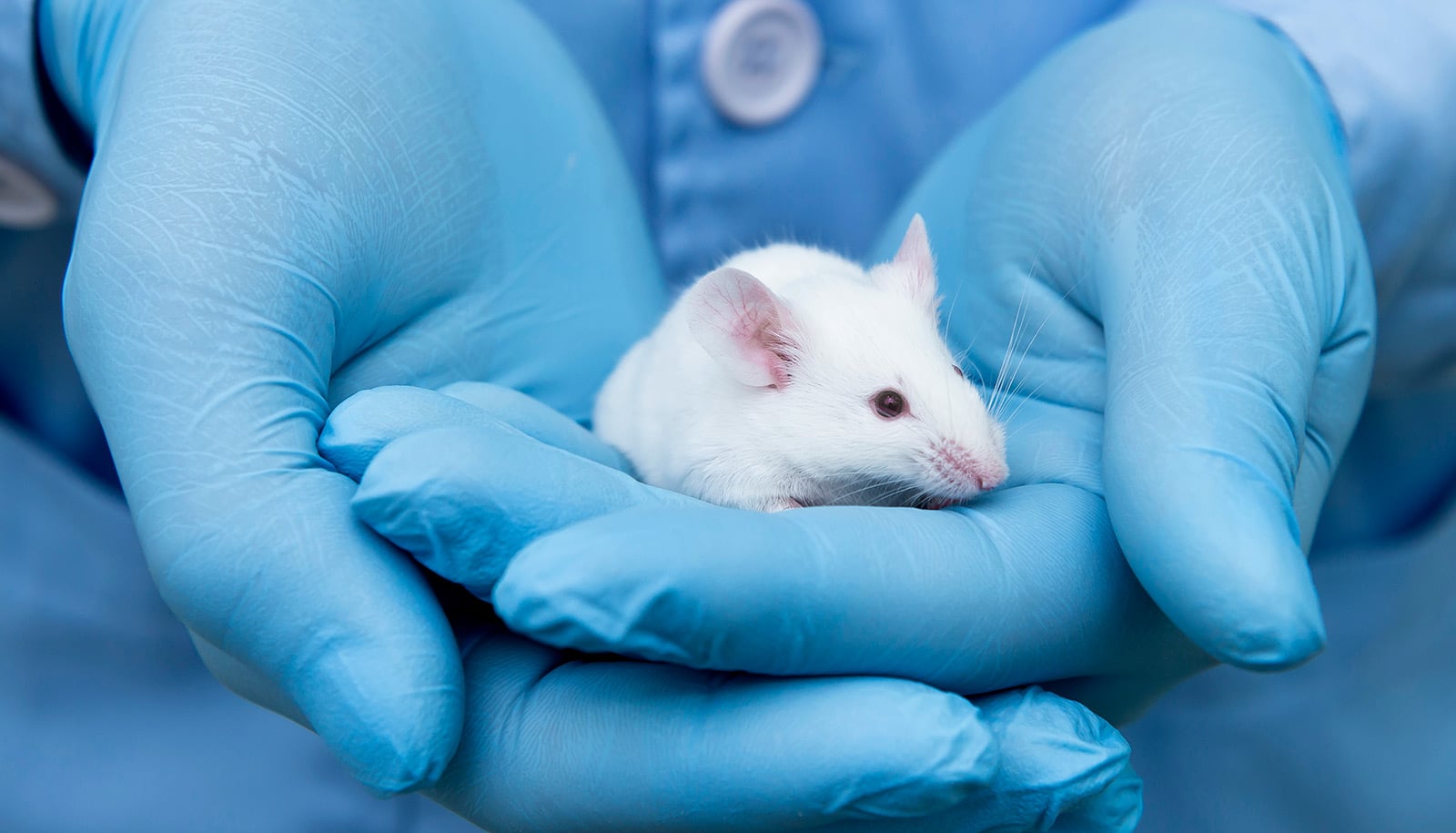
Researchers at ETH Zurich have identified a chemical compound, currently designated as “Compound 10,” that shows potential in slowing the progression of Alzheimer’s disease in mouse models. The study, recently published in the journal Cell Reports Medicine, highlights a novel therapeutic target—the enzyme GRK2—and suggests that addressing the enzyme’s dysfunction could protect nerve cells and potentially influence aging processes.
Understanding the Role of GRK2 in Neurodegeneration
The research, led by Ursula Quitterer, professor of molecular pharmacology at ETH Zurich, focuses on the bodily enzyme GRK2. In a healthy state, this regulatory protein assists cells in responding to external signals, stress, and strain. However, Quitterer’s team discovered that in the brains of Alzheimer’s patients, a significant portion of this enzyme becomes inactivated and forms harmful aggregates.
These aggregates deposit within brain cells and physically block the pores of mitochondria, the organelles responsible for energy production. By inhibiting the energy supply, these deposits induce cellular stress. Furthermore, the presence of inactive GRK2 appears to accelerate the production of amyloid beta, a protein fragment widely associated with the pathology of Alzheimer’s disease. This creates a self-perpetuating cycle where amyloid beta induces stress, which in turn leads to the formation of more inactive GRK2.
Experimental Results and Therapeutic Potential
To address this cycle, the research team developed several chemical candidates, identifying Compound 10 as the most effective at preventing the aggregation of GRK2. In trials conducted on mice, the administration of this compound resulted in improved mitochondrial function, reduced amyloid beta deposition, and a decrease in the rate of nerve cell death. According to the research team, the treated mice exhibited longer survival rates compared to untreated groups.
Beyond neurological effects, the study noted systemic observations in the mice. The researchers reported that Compound 10 appeared to have a positive influence on heart function and external signs of aging, such as a reduction in the development of grey hair in older animals. These findings suggest that the mechanism of GRK2 regulation may have broader implications for age-related decline.
The Long Path Toward Clinical Application
The development of this research spans nearly two decades, originating from tissue samples obtained from patients at the Ain Shams University Hospital in Cairo. Quitterer notes that the timeline for Alzheimer’s research is inherently slow, particularly when working with older animal models, where experiments can take up to two years to yield conclusive results.
While the basic research phase is now complete and a patent application has been filed for Compound 10, the transition to human clinical trials remains the next significant hurdle. ETH Zurich is currently seeking a commercial partner to facilitate the further development and testing required to determine if this mechanism can be safely and effectively applied to human patients. Current Alzheimer’s treatments are limited in scope, typically offering only a modest delay in symptom progression, which underscores the potential importance of targeting new pathways like GRK2.
Future development will likely focus on whether Compound 10 can be safely integrated with existing therapeutic regimens to improve quality of life. As the project moves toward potential pharmaceutical development, stakeholders are looking for industrial collaboration to advance the compound through the rigorous regulatory stages required for human medicine.
Related reading