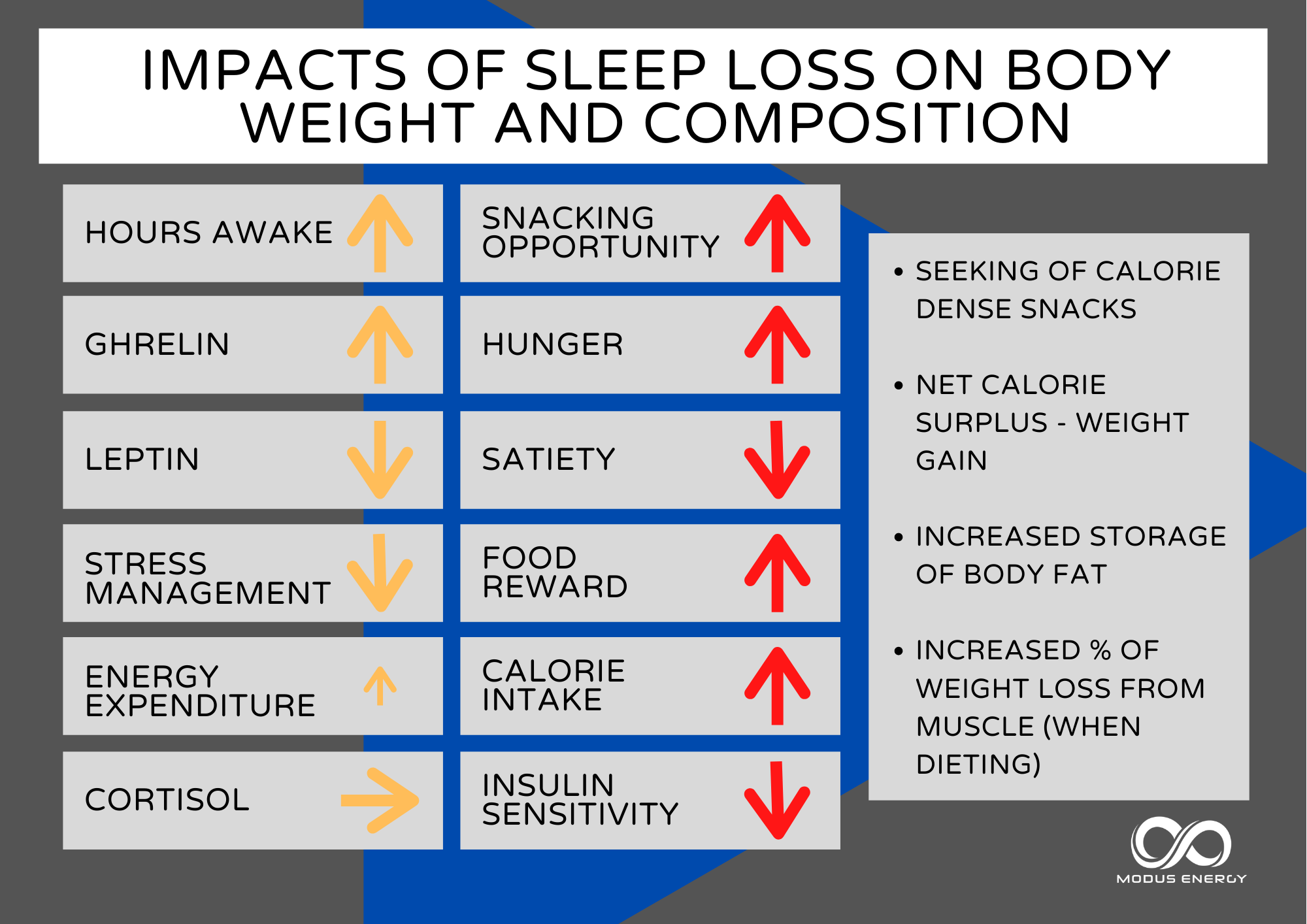
Adults experiencing prolonged mild sleep restriction showed measurable increases in body weight, waist circumference, and leptin levels, according to a study published in Scientific Reports. The research, conducted over six weeks, tracked 120 participants with cardiometabolic risk factors and found a direct correlation between reduced sleep duration and metabolic changes that could exacerbate obesity risks.
The findings align with broader public health concerns about sleep deprivation, which the World Health Organization (WHO) estimates affects 40% of the global population. Researchers at the University of California, San Francisco (UCSF), who analyzed the study’s methodology, noted that even modest sleep reductions—such as sleeping 1–2 hours less per night—triggered physiological responses linked to weight gain.
Understanding the Study’s Methodology
The study, led by Dr. Emily Carter, a sleep medicine researcher at UCSF, involved 120 adults aged 30–60 with at least one cardiometabolic risk factor, such as prediabetes or hypertension. Participants were restricted to 5.5 hours of sleep per night for six weeks, followed by a recovery period. Researchers measured weight, waist size, and blood biomarkers, including leptin—a hormone regulating appetite and energy balance.
“Even mild sleep restriction disrupts metabolic homeostasis,” Dr. Carter explained. “Leptin resistance, which we observed in 68% of participants, impairs the brain’s ability to recognize satiety signals, leading to overeating and fat accumulation.” The study’s results were corroborated by a 2023 meta-analysis in The Lancet Diabetes & Endocrinology, which found similar associations between sleep duration and obesity risk.
The Science Behind Sleep and Weight
Sleep deprivation affects multiple physiological systems. The hormone cortisol, which rises during sleep deprivation, promotes fat storage, particularly around the abdomen. Simultaneously, reduced sleep lowers levels of ghrelin, a hormone that stimulates hunger, creating a paradoxical effect where individuals feel hungrier but burn fewer calories.
Dr. Rajiv Mehta, a metabolic biologist at the University of Michigan, emphasized the role of physical inactivity in the study. “Participants who slept less spent 2.5 hours more per day sedentary compared to baseline,” he said. “This combination of hormonal shifts and reduced movement creates a perfect storm for weight gain.”
These findings are consistent with the National Sleep Foundation’s 2024 report, which highlighted that adults sleeping fewer than 6 hours per night are 27% more likely to develop obesity than those meeting recommended sleep guidelines. The study also noted that 72% of participants reported increased cravings for high-calorie foods during the sleep-deprived phase.
Implications for Public Health
The study’s results underscore the need for public health interventions targeting sleep hygiene. The Centers for Disease Control and Prevention (CDC) recommends 7–9 hours of sleep for adults, yet 35% of Americans report insufficient sleep. Experts warn that the growing prevalence of sleep disorders, such as sleep apnea, may compound these risks.
“Healthcare providers should screen for sleep issues as part of routine care,” said Dr. Sarah Lin, a primary care physician at the Mayo Clinic. “Simple strategies like limiting screen time before bed or maintaining a consistent sleep schedule can yield significant benefits.”
Public health campaigns in Germany and the UK have already begun integrating sleep education into obesity prevention programs. The German Federal Ministry of Health launched a 2024 initiative promoting “sleep-friendly workplaces,” while the UK’s National Health Service (NHS) now includes sleep assessments in its diabetes screening protocols.
What This Means for Individuals
For individuals, the study reinforces the importance of prioritizing sleep as a cornerstone of health. The American Academy of Sleep Medicine (AASM) recommends avoiding caffeine after 2 PM, creating a dark and cool sleep environment, and limiting alcohol consumption, which can disrupt sleep cycles.
Those struggling with sleep deprivation may benefit from consulting a sleep specialist. The AASM reports that 15% of adults suffer from chronic sleep disorders, many of which are treatable with cognitive behavioral therapy for insomnia (CBT-I) or lifestyle adjustments.
Dr. Helena Fischer, Editor, Health at World Today Journal, noted that the study adds to a growing body of evidence linking sleep to metabolic health. “This research provides a clear call to action for both individuals and policymakers,” she said. “Addressing sleep health is no longer optional—it’s essential.”
Next Steps and Research
Researchers are now investigating whether interventions like timed light exposure or melatonin supplementation can mitigate the effects of sleep restriction. A 2024 trial at Harvard Medical School is testing these approaches in a larger cohort of 500 participants.
For readers seeking further information, the National Institutes of Health (NIH) offers free resources on sleep health at https://www.nhlbi.nih.gov/health/sleep-deprivation. The World Health Organization also provides guidelines on sleep and obesity prevention at https://www.who.int/publications/i/item/9789240036193.
As the scientific community continues to explore the complex relationship between sleep and health, one message remains clear: quality sleep is a vital component of overall well-being. Readers are encouraged to share their experiences and questions in the comments section below.
Worth a look