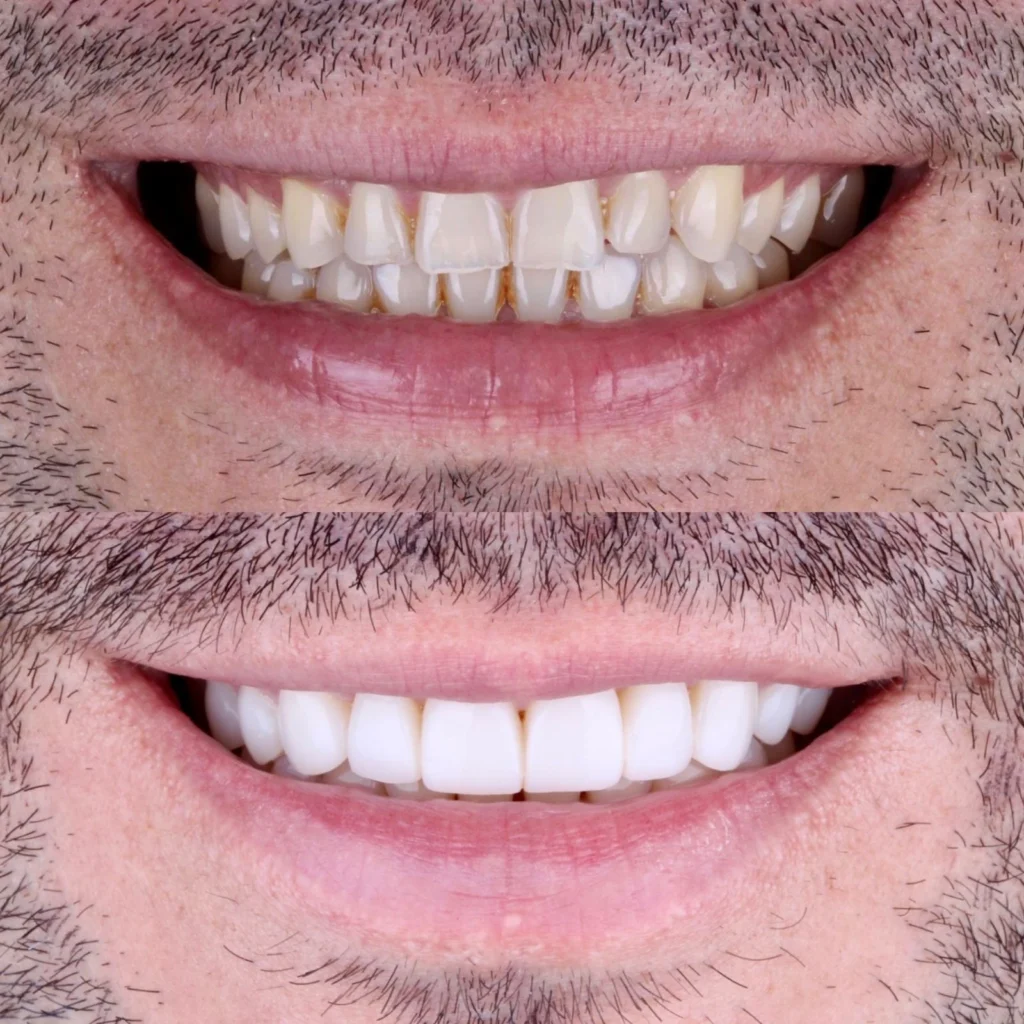
Properly aligned teeth are often associated with a confident smile, but their benefits extend far beyond aesthetics. A growing body of research highlights the critical role orthodontic care plays in overall health, from preventing long-term dental issues to improving quality of life. According to the American Dental Association (ADA), misaligned teeth can contribute to a range of health challenges, including difficulty chewing, increased risk of gum disease, and even jaw pain. These findings underscore the importance of addressing dental alignment early, whether through braces, clear aligners, or other corrective treatments.
While many individuals seek orthodontic care for cosmetic reasons, the medical community increasingly emphasizes its functional and health-related advantages. A 2022 study published in the *Journal of Clinical Orthodontics* found that patients with properly aligned teeth reported fewer instances of tooth decay and gum inflammation compared to those with untreated malocclusions. This data aligns with broader public health initiatives promoting preventive dental care, which the World Health Organization (WHO) identifies as a key strategy for reducing global oral disease burdens.
1. Enhanced Oral Hygiene and Reduced Risk of Gum Disease
One of the most significant benefits of straight teeth is improved oral hygiene. Crooked or crowded teeth create hard-to-reach areas where plaque and bacteria can accumulate, increasing the risk of gingivitis and periodontitis. The Centers for Disease Control and Prevention (CDC) reports that gum disease affects nearly half of adults over 30 in the United States, with poor oral hygiene being a primary risk factor. Orthodontic treatment can reposition teeth to make brushing and flossing more effective, thereby reducing the likelihood of infections and tooth loss.
Dr. Maria Gonzalez, a periodontist at the University of California, San Francisco, explains, “Misaligned teeth create crevices where plaque can hide, even with regular brushing. Correcting this through orthodontics is a proactive step toward maintaining gum health.”
2. Improved Chewing and Digestive Health
Properly aligned teeth facilitate efficient chewing, which is essential for optimal digestion. When teeth do not meet correctly, individuals may experience difficulty breaking down food, leading to digestive discomfort, nutrient deficiencies, and even gastrointestinal issues. The National Institute of Dental and Craniofacial Research (NIDCR) notes that malocclusions can alter the mechanics of mastication, potentially contributing to conditions like acid reflux and irritable bowel syndrome (IBS).
“Chewing is the first step in the digestive process,” says Dr. James Lee, a gastroenterologist at the Mayo Clinic. “If your teeth aren’t aligned properly, you’re not fully breaking down food, which can strain the stomach and intestines over time.”
3. Lower Risk of Tooth Fractures and Wear
Misaligned teeth are more susceptible to fractures and excessive wear due to uneven pressure distribution. When teeth overlap or protrude, they may collide abnormally during biting or grinding, leading to cracks or chips. The American Association of Orthodontists (AAO) states that orthodontic intervention can redistribute bite forces, reducing the risk of dental trauma and the need for restorative procedures like crowns or implants.
A 2021 study in the *European Journal of Orthodontics* found that patients with corrected malocclusions had a 40% lower incidence of tooth fractures compared to untreated peers. This finding highlights the preventive value of orthodontic care in preserving natural teeth over a lifetime.
4. Prevention of Jaw Pain and Temporomandibular Joint (TMJ) Disorders
Orthodontic misalignment can contribute to temporomandibular joint (TMJ) disorders, which cause pain, clicking sounds, and limited jaw movement. The Mayo Clinic explains that improper bite alignment forces the jaw into unnatural positions, straining the surrounding muscles and joints. Correcting this through orthodontics or orthognathic surgery can alleviate symptoms and improve jaw function.
“TMJ disorders are often linked to malocclusions,” says Dr. Sarah Mitchell, a maxillofacial surgeon at the Cleveland Clinic. “By realigning the teeth, we can reduce the stress on the jaw joint and prevent chronic pain.”
5. Enhanced Speech and Confidence
Orthodontic treatment can also address speech impediments caused by misaligned teeth or gaps. Conditions like lisps or difficulty pronouncing certain sounds are sometimes linked to dental irregularities. The American Speech-Language-Hearing Association (ASHA) notes that correcting these issues through orthodontics can improve communication and self-esteem.
“Speech therapy and orthodontics often go hand in hand,” says ASHA-certified speech pathologist Linda Kim. “When teeth are properly aligned, it’s easier for patients to articulate clearly, which boosts their confidence in social and professional settings.”
6. Long-Term Cost Savings and Reduced Healthcare Burden
Investing in orthodontic care can lead to significant long-term savings by preventing costly dental complications. Untreated malocclusions may require fillings, root canals, or extractions due to decay and gum disease. The ADA estimates that the average cost of orthodontic treatment ranges from $3,000 to $7,000, while untreated dental issues can accumulate to tens of thousands of dollars over a lifetime.
“Preventive orthodontics is a cost-effective approach,” says Dr. David Chen, a health economist at Harvard University. “By addressing alignment early, patients avoid the financial and physical toll of more invasive procedures later in life.”
For individuals considering orthodontic treatment, consulting a licensed dentist or orthodontist is the first step. The ADA’s “Find a Dentist” tool and the AAO’s “Find an Orthodontist” directory provide resources to locate qualified professionals. As research continues to highlight the multifaceted benefits of straight teeth, the message is clear: orthodontic care is not just about appearance—it’s a vital component of overall health.
Next confirmed checkpoint: The American Dental Association is set to release updated guidelines on preventive orthodontic care in October 2024. For more information, visit www.ada.org. Share your experiences or questions in the comments below to join the conversation.
Keep reading