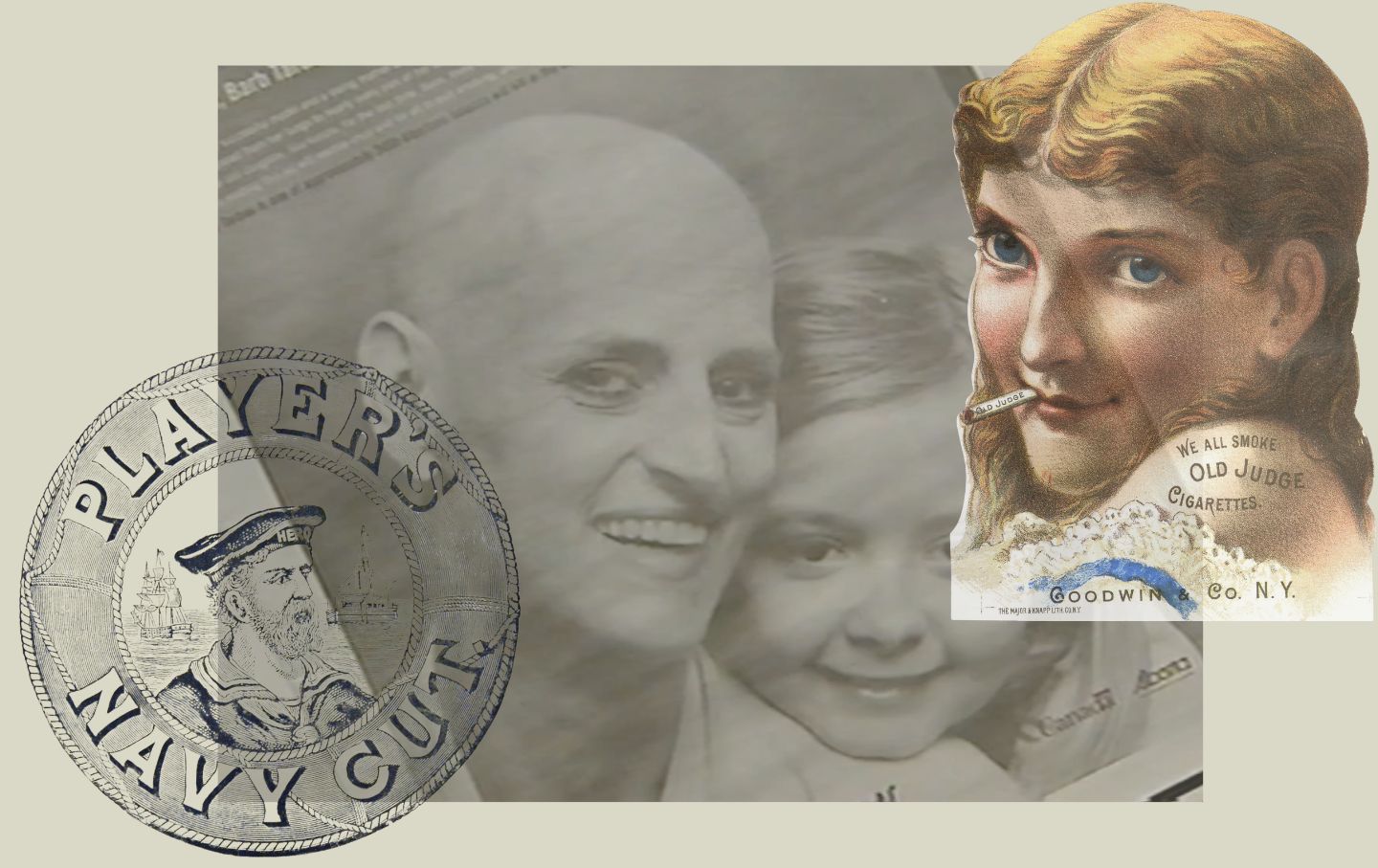
Health experts and public health officials are increasingly questioning the societal tendency to frame cancer as a personal failing, a perspective that shifts focus away from systemic factors like environmental toxins, genetic predispositions, and socioeconomic inequities. The debate underscores a broader conversation about how society attributes responsibility for health outcomes.
The shift in perspective is driven by research highlighting the complex interplay between individual choices and external forces.
The Historical Context of Personal Responsibility in Cancer Narratives
The emphasis on individual accountability in cancer prevention has deep roots in public health campaigns dating back to the 1970s.
Environmental Factors: Beyond Individual Control
Environmental carcinogens are a significant yet often underappreciated contributor to cancer.
Policy responses have been uneven. While the U.S.
Genetic and Social Determinants of Cancer Risk
Genetic factors also complicate the narrative of personal responsibility. However, these mutations are not evenly distributed across populations.
Social determinants further exacerbate these gaps. Factors like limited access to healthy food, inadequate healthcare, and occupational hazards contribute to this disparity.
Policy and Public Health Responses
Governments and organizations are beginning to address these systemic challenges. The 2023 U.S.
Advocacy groups are also pushing for broader reforms.
The Path Forward: Balancing Individual and Collective Responsibility
Experts agree that a balanced approach is necessary. While personal choices like avoiding tobacco and maintaining a healthy diet remain important, they must be paired with policies that address environmental and social inequities.
Public awareness campaigns are evolving to reflect this perspective.
The conversation about cancer causation is far from settled. As new data emerges, the challenge will be translating scientific understanding into equitable policies that reduce risk for all populations. For now, the debate serves as a reminder that health is not solely an individual responsibility—it is a collective endeavor shaped by the world we create.
For more information, visit the EPA’s official website. Share your thoughts on this critical issue below.