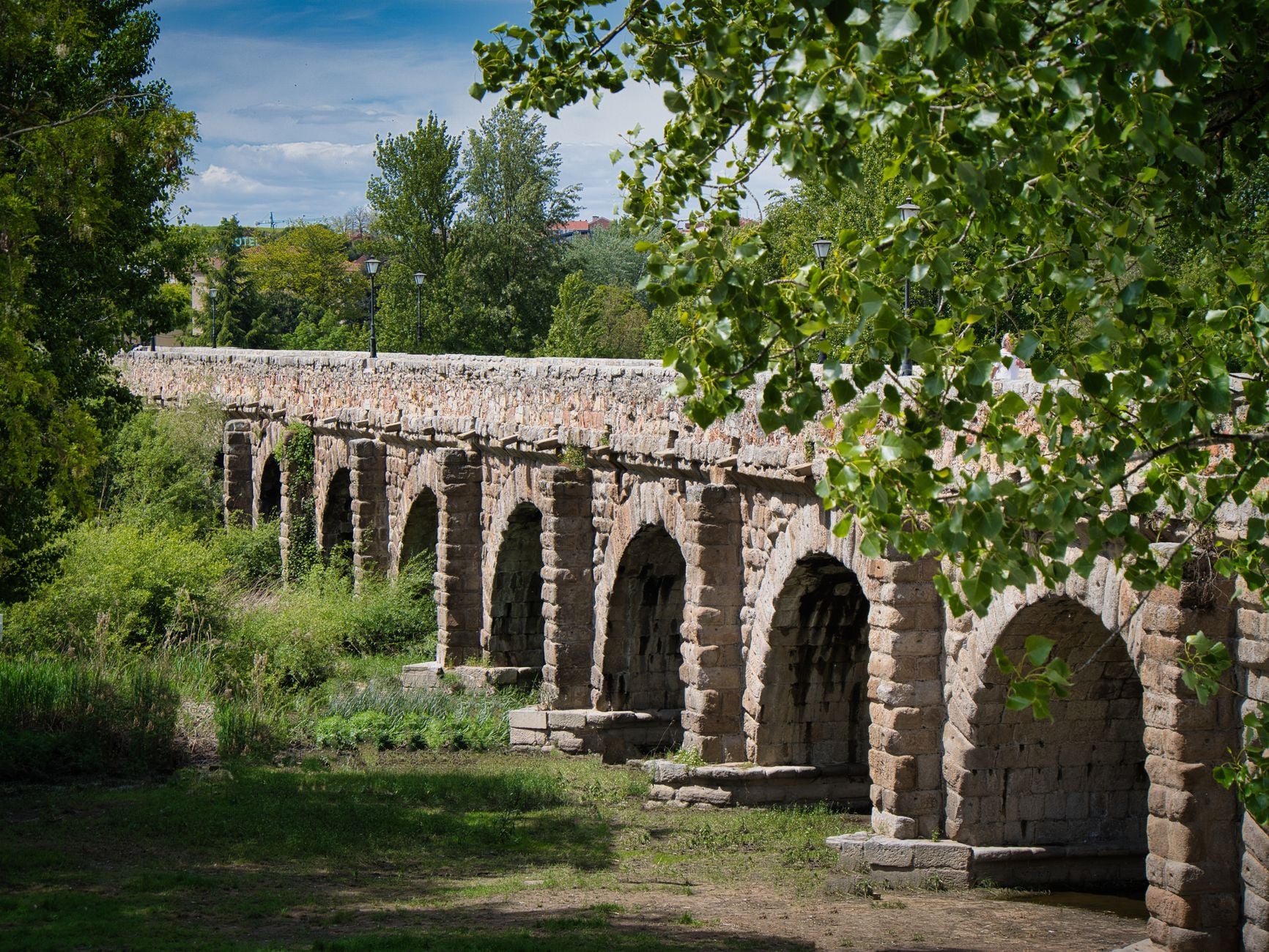
While the aqueduct functioned as a critical piece of urban infrastructure for centuries, its active service life concluded in 1973. The decision to retire the stone channel was driven by environmental factors rather than structural failure.
Engineering Precision in Ancient Granite
The construction of the Segovia aqueduct represents a pinnacle of Roman civil engineering. The durability of the monument is attributed to the “dry stone” technique, where granite blocks are held in place solely by gravity and friction. This method required extreme precision during the quarrying and shaping process to ensure that each block sat flush against its neighbors, preventing lateral shifting or structural collapse.
The 1973 Retirement and Modern Preservation
By the mid-20th century, the rapid growth of urban traffic in Segovia began to threaten the integrity of the granite. The combustion of fossil fuels created an environment where acidic pollutants reacted with the stone surface, leading to flaking and erosion. In 1973, authorities officially decommissioned the aqueduct’s water-carrying function to halt this deterioration.
The Legacy of Roman Hydraulics
Unlike modern materials that require regular maintenance of binding agents, the Segovia design utilized the weight of the granite to “lock” the structure into a state of equilibrium.
For visitors and scholars, the site offers a rare, unobstructed view of ancient construction methods. Because the blocks were not bonded with concrete, the joints between them remain clearly visible, allowing for an examination of the craftsmanship employed by Roman engineers. The preservation of this site ensures that the mechanics of the aqueduct remain available for study, providing insight into the planning, logistics, and labor required to sustain a Roman city’s water supply nearly 2,000 years ago.
Readers are encouraged to share their thoughts or experiences visiting this iconic site in the comments below.