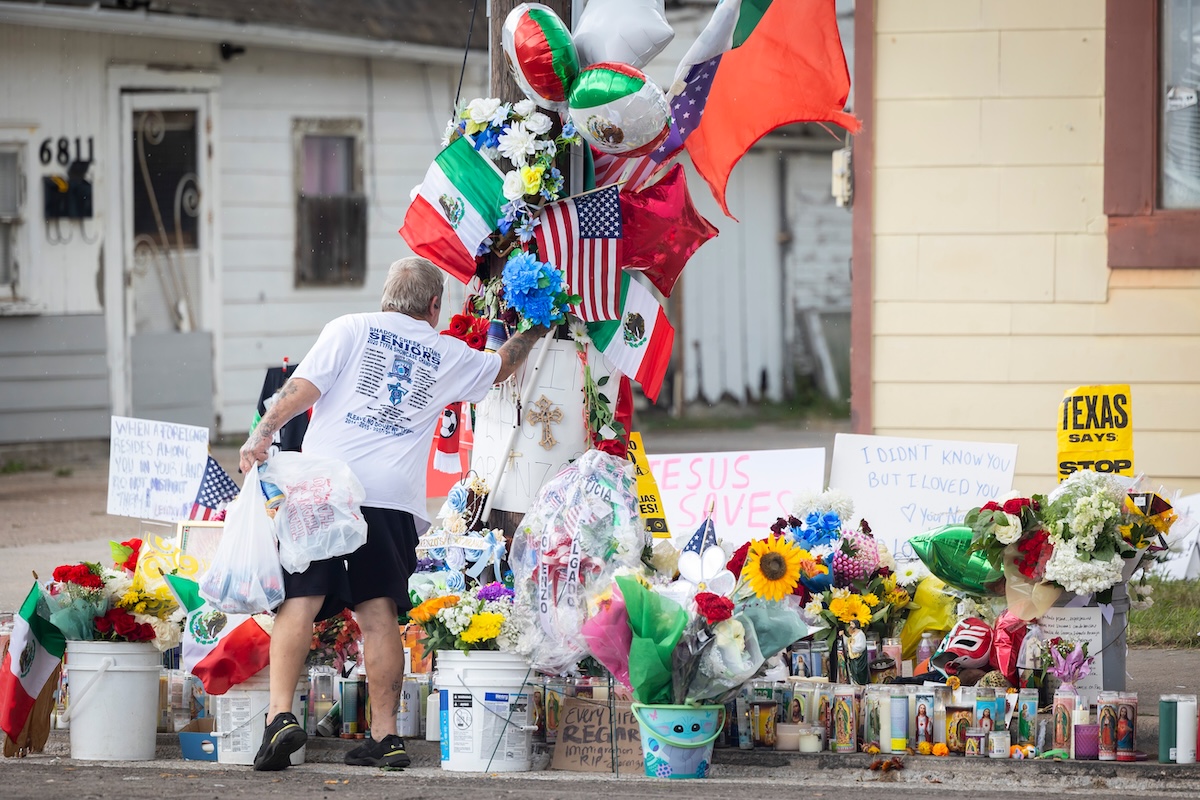
Protests have intensified in Houston following the death of Lorenzo Salgado Araujo, an immigrant whose passing while in the custody of U.S. Immigration and Customs Enforcement (ICE) has drawn sharp criticism from civil rights advocates and local community leaders. Demonstrations held on July 8, 2026, underscored growing tensions regarding the treatment of detainees and the transparency of oversight protocols within the federal immigration system.
The death of Lorenzo Salgado Araujo has prompted urgent calls for an independent investigation into the circumstances surrounding his time in federal detention. Community organizations and legal advocacy groups are pushing for greater accountability, citing concerns over medical care standards and the speed at which information is released to the families of those held by immigration authorities. As of mid-July 2026, federal officials have provided limited details regarding the cause of death, pending the completion of a formal internal review.
Community Response and Demonstrations
On July 8, 2026, protesters gathered in Houston to demand answers and systemic reforms following the news of the fatality. The event featured representatives from various local advocacy groups who argued that the incident represents a broader failure to protect the health and safety of individuals within the immigration detention network. According to reports from the Associated Press, the demonstration highlighted the precarious position of detainees and the perceived lack of communication between federal agencies and the families of those affected.
The protest organizers emphasized that the death of Lorenzo Salgado Araujo is not an isolated incident but part of a recurring pattern that requires legislative attention. Leaders from the local Latinx community have requested meetings with regional ICE officials to discuss safety protocols, though a spokesperson for the agency did not immediately confirm a timeline for such discussions. The gathering remained largely peaceful, though the presence of law enforcement was noted as demonstrators marched toward administrative offices.
Oversight and Detention Standards
The scrutiny surrounding this case centers on the Performance-Based National Detention Standards (PBNDS), which dictate the quality of medical and mental health care required for detainees. Under current federal guidelines, ICE is mandated to ensure that all detainees have access to emergency medical care and that any death in custody triggers a mandatory review process. Detailed information regarding these requirements is available through the official ICE Detention Standards portal, which outlines the responsibilities of facility operators.
Advocates argue that these standards are frequently met with inconsistent enforcement. In similar cases, investigations conducted by the Department of Homeland Security (DHS) Office of Inspector General have occasionally identified lapses in medical screening and staffing levels. However, in the case of Lorenzo Salgado Araujo, the specific medical history and the exact timeline of care provided remain under investigation. The agency typically releases a summary of the death review process only after the investigation is concluded, a practice that critics argue creates a significant information gap for the public and the families involved.
Legal and Policy Implications
The incident has reinvigorated discussions about the role of private detention facilities and the legal framework governing immigration enforcement in Texas. Legal experts note that lawsuits regarding detention conditions often hinge on the “deliberate indifference” standard, which requires proof that officials knew of a serious medical need and disregarded the risk. Updates on federal court filings related to detention conditions are tracked by the Administrative Office of the U.S. Courts, which provides public access to case dockets and rulings.
While the protests in Houston reflect local frustration, they also resonate with national efforts to overhaul immigration detention policies. Lawmakers in Washington have periodically introduced bills aimed at increasing oversight of detention centers, though significant federal policy shifts remain stalled. The outcome of the investigation into Lorenzo Salgado Araujo’s death is expected to serve as a reference point for future debates on whether the current oversight mechanisms are sufficient to prevent avoidable fatalities.
The next confirmed checkpoint in this matter is the release of the official medical examiner’s report and the subsequent summary from the ICE Office of Professional Responsibility. These documents are expected to provide the first verified account of the circumstances leading to the fatality. Readers interested in the status of the investigation are encouraged to monitor official announcements from the Department of Homeland Security for updates on the review process.
Related reading