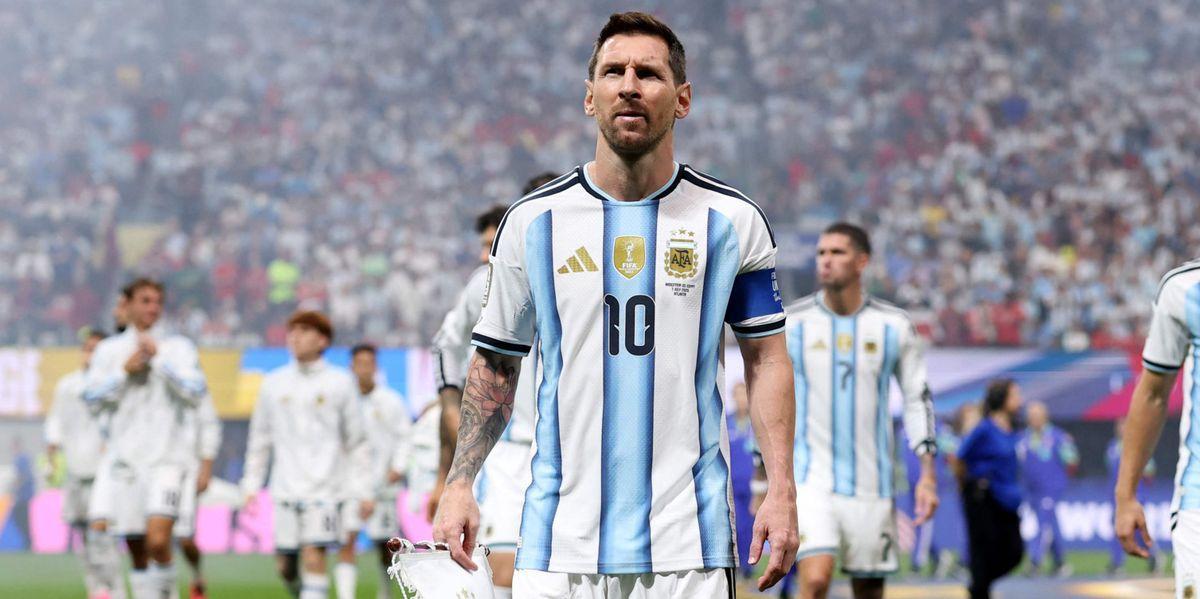
Former Swiss national football team coach Rolf Fringer has provided a technical assessment of Argentina’s tactical reliance on Lionel Messi, while simultaneously addressing the complex financial pressures often associated with high-profile athletes like Cristiano Ronaldo. In a recent analysis, Fringer explored the intersection of elite sports performance and the economic realities that define the modern professional game.
The discussion centers on how world-class players influence team dynamics and the broader financial ecosystem of professional sports. Fringer’s commentary highlights the strategic burden placed on star players, noting that teams often organize their entire tactical structure around a single individual’s output. This dependency, while effective at the highest levels of international competition, creates significant structural risks for national squads and clubs alike.
Tactical Analysis of Argentina’s Messi Dependency
Rolf Fringer, who managed the Swiss national team from 1996 to 1997, observed that Argentina’s recent tactical approach remains heavily calibrated to facilitate Lionel Messi’s influence on the pitch. According to analysis from FIFA’s technical reports on the 2022 World Cup, this reliance allows for specialized playmaking but necessitates a high work-rate from supporting midfielders to cover defensive transitions. Fringer notes that such systems are designed to maximize the efficiency of a player who has historically demonstrated an elite ability to create scoring chances from limited space.
The tactical trade-off involves sacrificing traditional defensive symmetry for offensive unpredictability. When a team builds its core strategy around a single star, the coaching staff must ensure that the remaining ten players are physically and tactically prepared to compensate for the star’s defensive positioning. Fringer’s assessment underscores the difficulty of maintaining this balance as players transition through the later stages of their careers, where recovery times and physical output become critical variables in tournament success.
The Economic Realities of Global Football Stars
Beyond tactical considerations, Fringer addressed the financial obligations that often shadow global football icons, specifically referencing the fiscal complexities surrounding Cristiano Ronaldo. High-profile athletes at the peak of their earning potential frequently manage complex portfolios that include significant real estate holdings and investment liabilities, often referred to in broader financial contexts as the “mortgage” of maintaining a global brand.
According to Forbes’ annual tracking of athlete earnings, Ronaldo’s revenue streams extend well beyond his playing contracts, involving extensive commercial partnerships and private investments. Managing such wealth requires sophisticated tax and legal structures, which can sometimes be misconstrued by the public as purely debt-related burdens. Fringer’s analysis suggests that for players of this caliber, the “hypothecation” of assets—securing loans against property or future earnings—is a standard professional financial practice rather than an indicator of fiscal distress.
Evaluating Tournament Projections
In his assessment of upcoming competitive fixtures, Fringer has projected a 2-1 result in favor of the incumbent favorites. Such predictions, while common in sports journalism, rely on a combination of historical performance data, current squad fitness, and the tactical nuances he identifies in pre-match briefings. Betting markets often align with these expert projections, reflecting the consensus on team form and injury status as tracked by organizations like UEFA.
For fans and analysts, the accuracy of these predictions often hinges on unforeseen developments, such as last-minute squad changes or shifts in weather conditions during match day. Fringer’s methodical approach to these predictions—focusing on the tactical “why” rather than just the scoreline—provides a framework for understanding how professional coaches evaluate the probability of match outcomes.
Next Steps in International Competition
The next major checkpoint for international football squads involves the upcoming round of qualifying matches and official roster announcements. Fans can track official team updates and squad lists through the FIFA official portal, which serves as the primary source for tournament regulations and schedule adjustments. For those interested in the financial side of the sport, annual transparency reports from major clubs provide further insight into the fiscal health of the teams hosting these global stars.
We welcome your thoughts on Fringer’s tactical analysis and the evolving economics of professional football. Share your perspectives in the comments section below.
Keep reading