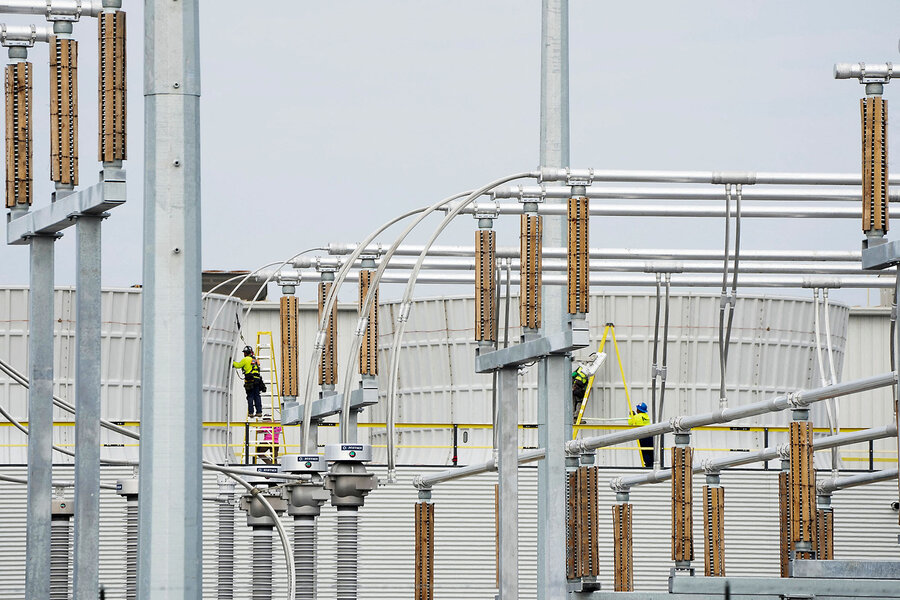
The arrival of a massive artificial intelligence data center in Memphis, Tennessee, has sparked a complex debate regarding the city’s infrastructure, environmental footprint, and long-term economic strategy. As the site of a high-capacity xAI facility—the “Colossus” supercomputer cluster—the project has transformed a local industrial zone into a focal point for global tech development, drawing both praise for innovation and scrutiny from community advocates concerned about the strain on local resources.
Memphis, historically recognized as a hub for global logistics and a nexus for brands like FedEx and AutoZone, is now testing its capacity to host a significant new class of industrial consumer: the hyperscale AI data center. According to the City of Memphis and local utility records, the operation requires substantial amounts of electricity and water to maintain the cooling systems necessary for thousands of high-performance graphics processing units (GPUs).
Infrastructure Demands and Utility Pressures
The primary concern for many Memphis residents and local policymakers centers on the facility’s utility consumption. Data centers of this scale are notoriously power-hungry. As reported by the Memphis Light, Gas and Water (MLGW) division, the utility has had to manage an unprecedented surge in demand for power and water infrastructure upgrades to accommodate the facility’s operational needs. These improvements are intended to ensure that the AI farm does not destabilize the local grid for residential customers.
Water usage is equally critical. To cool the supercomputer clusters, the facility relies on cooling towers that consume millions of gallons of water daily. Local environmental groups have expressed concerns regarding the impact on the Memphis Sand Aquifer, the city’s primary source of drinking water. While the company has stated that it is implementing closed-loop cooling systems to minimize waste, the long-term impact on the city’s water table remains a subject of ongoing monitoring by the Tennessee Department of Environment and Conservation (TDEC).
Economic Development vs. Community Impact
The economic narrative surrounding the arrival of xAI is multifaceted. Proponents of the project, including local business development agencies, view the investment as a sign that Memphis is evolving into a “city of ideas.” By attracting high-tech capital, the city aims to diversify an economy that has traditionally relied on transportation and retail sectors. The project has brought construction jobs and the potential for a localized tech ecosystem, according to statements from the Greater Memphis Chamber.
However, the promised economic benefits have been met with skepticism by some community members who argue that the tax incentives provided to the company could have been better directed toward public infrastructure or education. The Shelby County Government has been tasked with balancing these incentives against the immediate needs of the population. Critics point to the fact that while the facility is highly automated, it does not necessarily translate to a large volume of long-term, high-paying jobs for the average Memphis resident.
Regulatory Oversight and Future Milestones
The oversight of the Colossus facility involves a complex interplay between federal, state, and municipal authorities. Because the facility operates as a critical node in the national AI infrastructure, it is subject to evolving standards regarding energy efficiency and grid reliability. The U.S. Department of Energy continues to track the growth of data centers across the country, noting that the rapid scaling of AI clusters necessitates a re-evaluation of regional power capacity planning.
As the city moves forward, the next confirmed checkpoint for the project involves a scheduled review of utility capacity and environmental impact reports by the Memphis City Council. This session is expected to provide more concrete data on the facility’s total energy consumption for the 2024–2025 fiscal period. Residents are encouraged to monitor the Memphis City Council meeting calendar for upcoming public hearings where further community feedback will be formally recorded.
The tension between technological advancement and local resource management in Memphis reflects a national trend. As more cities become homes to large-scale AI operations, the balance between becoming a “tech hub” and maintaining the quality of life for current residents will remain a critical metric for success. We invite our readers to share their perspectives on this development in the comments below.
Keep reading