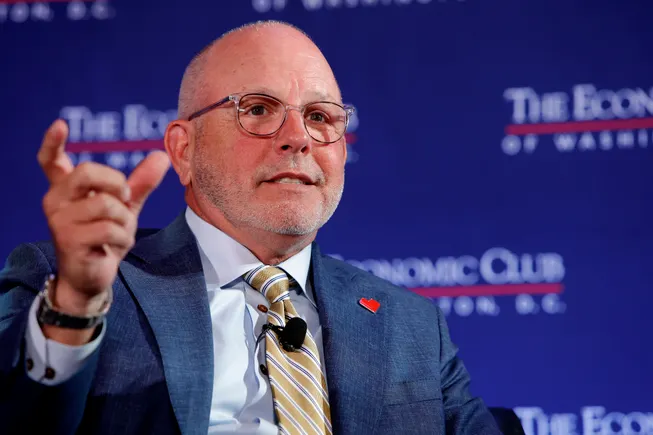
CVS Health CEO David Joyner has signaled that the company has successfully implemented strategies to manage rising medical costs, providing a positive outlook ahead of the firm’s second-quarter earnings report. As the healthcare giant prepares for its upcoming financial disclosures, Joyner’s comments aim to reassure investors who have navigated a volatile period characterized by increased utilization of medical services and shifting insurance market dynamics across the United States.
The healthcare industry has faced significant financial pressure over the past several quarters. Major insurers, including CVS Health’s Aetna subsidiary, have struggled with higher-than-expected medical loss ratios, a key metric that compares the amount of money spent on claims against the premiums collected. According to the company’s official investor relations portal, the second-quarter earnings call is a critical checkpoint for analysts tracking how well the company is balancing these rising costs with operational efficiency.
Managing Medical Cost Trends
The core of the current financial challenge for CVS Health involves the increasing demand for medical care, particularly among populations enrolled in Medicare Advantage plans. During recent industry conferences, leadership has emphasized that the company is taking proactive steps to stabilize these costs. These measures include more rigorous utilization management and adjustments to plan designs, which are intended to align spending more closely with projected revenue.
Investors remain particularly focused on how these operational changes will impact the company’s bottom line. The insurance sector has been under scrutiny since 2023, as higher outpatient volumes and elective procedure rates have strained margins for many large payers. By signaling that the company has a “handle” on these trends, Joyner is attempting to set a baseline for market expectations before the formal release of financial data. The Centers for Medicare & Medicaid Services (CMS) continues to provide oversight on the regulatory environment that dictates how these plans operate and how reimbursement rates are structured.
Contextualizing the Insurance Market Volatility
The broader insurance landscape has been defined by a “difficult few years,” marked by the lingering effects of the pandemic and subsequent surges in non-emergency medical care. When insurers report earnings, analysts typically look for three specific indicators: the medical benefit ratio, membership growth in high-margin plans, and the company’s ability to offset rising drug costs through its pharmacy benefit management (PBM) arm.
CVS Health’s unique structure as both a provider of health insurance and a pharmacy retailer offers a distinct advantage, but it also creates complexity. As the company prepares for its Q2 earnings, the market is watching to see if the PBM segment can continue to provide a buffer against the volatility of the insurance business. According to filings submitted to the U.S. Securities and Exchange Commission (SEC), CVS Health remains one of the largest entities in the healthcare space, making its performance a bellwether for the broader industry.
What Investors Are Watching Next
The upcoming earnings report will serve as the primary evidence of whether the management strategies described by Joyner are yielding tangible results. Market participants are looking for specific guidance on:
- Whether the medical loss ratio has stabilized compared to the previous quarter.
- Updates on enrollment trends within Medicare Advantage and commercial insurance lines.
- Projections regarding potential impacts from regulatory changes affecting reimbursement.
While executive assurances are standard practice in the weeks leading up to quarterly reports, the weight of these statements is amplified by the current economic environment. For stakeholders, the next verified checkpoint will be the official release of the second-quarter financial results, which will include detailed commentary from the company’s executive team and a breakdown of performance by business segment.
As we monitor these developments from our newsroom in Berlin, we invite readers to share their perspectives on the evolving healthcare landscape. The intersection of patient care and insurance fiscal policy remains a complex area, and we will continue to provide updates as official data becomes available.
Worth a look