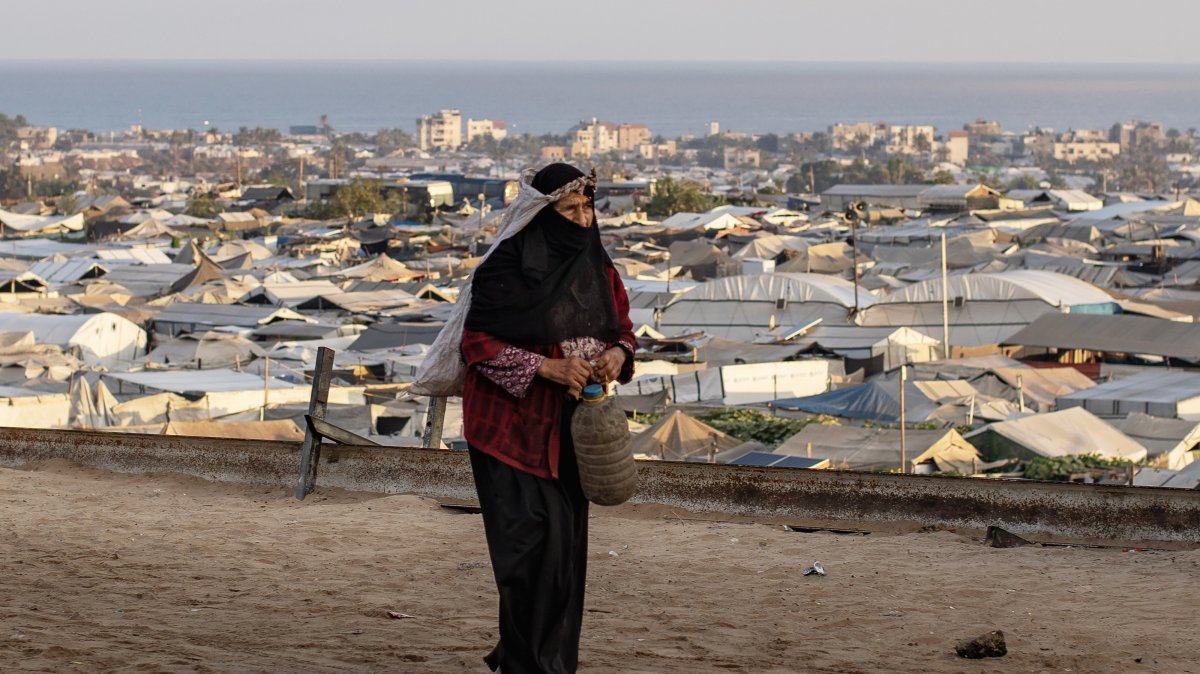
The European Union has successfully coordinated the mobilization of approximately 900 million euros ($1 billion) in financial pledges intended to support the early recovery and reconstruction efforts in the Gaza Strip. This initiative, announced following extensive diplomatic efforts, aims to address the immediate humanitarian needs and the stabilization of basic infrastructure in the territory after two years of significant military conflict, according to official statements from the European Commission.
The funding is designed to provide rapid assistance to populations affected by the ongoing crisis, focusing on essential services including healthcare, water, and sanitation. As regional stakeholders and international donors look toward long-term stability, the mobilization of these resources represents a significant commitment from European member states and international partners to prevent a total collapse of civil infrastructure, as detailed in reports by the Reuters news agency.
Breakdown of Financial Commitments and Strategic Goals
The 900 million euro package is not a single lump-sum donation but a collection of pledges gathered from various EU member states and partner institutions. These funds are earmarked for “early recovery,” a phase that precedes large-scale reconstruction. According to the European External Action Service, the priority is to restore the functionality of critical systems that have been severely degraded by the persistent bombardment and subsequent blockade conditions.
The allocation strategy focuses on four primary pillars:
- Healthcare Continuity: Providing medical supplies and supporting the operations of remaining hospital facilities.
- Water and Sanitation: Restoring clean water access to prevent the outbreak of waterborne diseases in densely populated areas.
- Energy Infrastructure: Enabling limited power grid functionality to support hospitals and food storage.
- Shelter and Basic Supplies: Assisting in the provision of temporary housing and essential non-food items for displaced families.
This approach aligns with the broader “humanitarian-development nexus,” which seeks to bridge the gap between emergency relief and sustainable development. By focusing on early recovery, donors hope to mitigate the long-term economic damage that has crippled the Gazan economy, which the World Bank has previously described as suffering from near-total production paralysis.
Operational Obstacles and Security Constraints
Despite the substantial financial backing, the actual delivery of aid remains subject to extreme security and logistical limitations. The ongoing conflict has created a high-risk environment for humanitarian workers, and the ability to transport construction materials into Gaza is heavily regulated by border authorities. According to the United Nations Relief and Works Agency (UNRWA), the primary challenge remains the lack of safe corridors and the unpredictable nature of border crossings, which frequently delay the arrival of life-saving equipment.
The European Union has emphasized that the funds will be distributed through established international humanitarian channels to ensure transparency and accountability. However, the complexity of the security environment means that even with funding secured, the pace of implementation is dictated by daily developments on the ground. Financial experts note that the effectiveness of these pledges is contingent upon a sustained cessation of hostilities, a condition that remains volatile, as noted in updates from the European Parliament.
Regional Implications and Future Monitoring
The mobilization of these funds highlights the growing urgency among Western nations to mitigate the humanitarian fallout in the Middle East. While the EU’s role is primarily focused on the financial and diplomatic aspects of recovery, the project remains deeply intertwined with broader geopolitical negotiations. The success of these recovery efforts is being closely monitored by regional powers, including Egypt and Jordan, which serve as key logistical hubs for the passage of humanitarian aid.
The next major checkpoint for these funds will be the upcoming donor coordination meeting scheduled for the next quarter, where officials will evaluate the absorption capacity of local partners and the security feasibility of large-scale infrastructure projects. As the situation evolves, the European Commission is expected to provide quarterly updates on the disbursement of these funds, offering a transparent view of how the $1 billion pledge is being converted into tangible aid on the ground. Readers interested in tracking the specific impact of these funds can monitor the European Civil Protection and Humanitarian Aid Operations portal for real-time reporting and future announcements.
We invite our readers to share their perspectives on the role of international aid in volatile conflict zones in the comments section below.
Worth a look