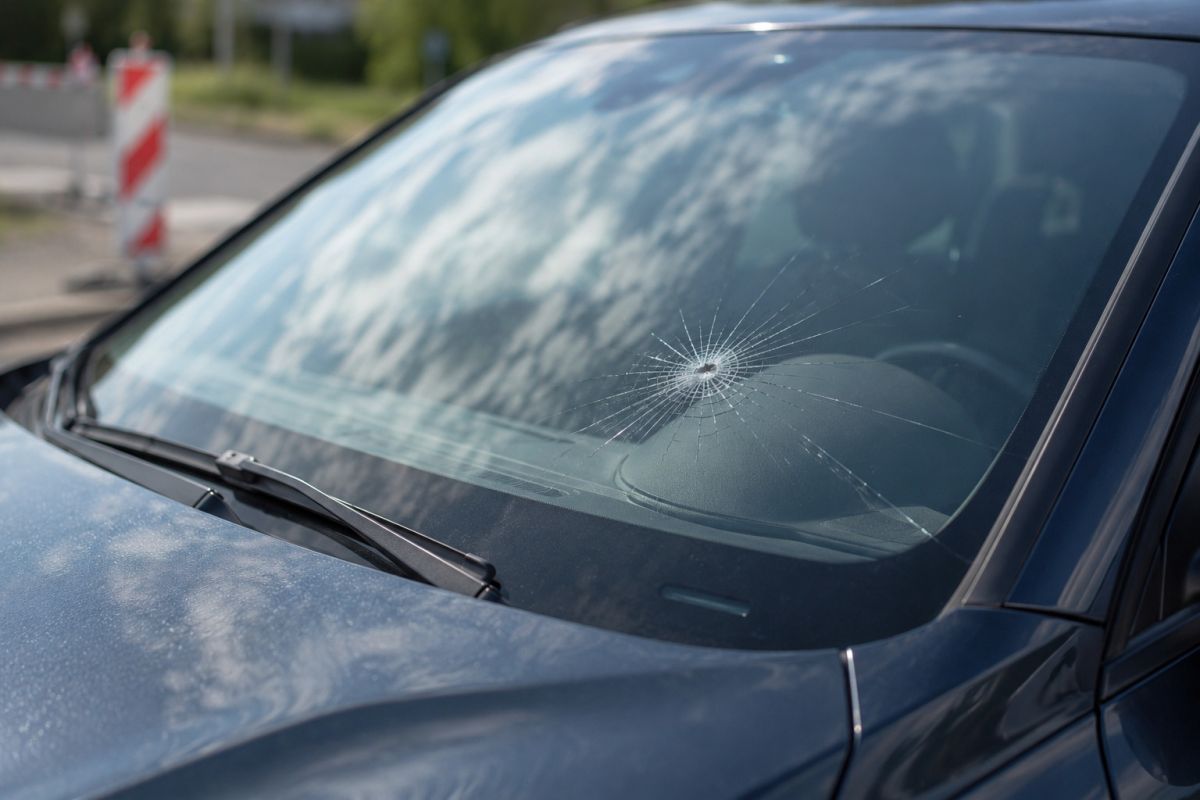
Modern vehicle windshield repair costs have surged by approximately 25% over the past year, driven largely by the increasing complexity of Advanced Driver Assistance Systems (ADAS). While a simple rock chip repair was once a routine, low-cost maintenance task, the integration of sensors, cameras, and sophisticated glass technology into modern vehicle windshields means that even minor damage can now lead to repair or replacement bills exceeding 8,000 euros for high-end models equipped with specialized heads-up displays and sensor arrays.
This sharp rise in maintenance expenses reflects a broader shift in automotive engineering, where the windshield is no longer just a structural barrier but a critical component of a vehicle’s digital infrastructure. As manufacturers consolidate safety features—such as lane-keeping assistance and collision avoidance systems—directly into the glass or the area immediately behind it, the precision required for repairs has increased significantly. According to industry data on automotive insurance claims, the necessity for post-repair calibration of these sensors is a primary factor contributing to the higher costs now passed on to vehicle owners and insurers.
The Technological Shift Behind Rising Costs
The core of the financial impact lies in the transition from traditional, standardized glass to “smart” windshields. Modern windshields often feature acoustic dampening layers, heating elements, and integrated mounts for cameras that monitor road conditions. When a stone chip occurs, the structural integrity of these integrated systems can be compromised. If a full replacement is required, the glass is rarely a standalone part; it must be sourced to exact manufacturer specifications to ensure that internal sensors function within the strict tolerances defined by the EU General Safety Regulation 2019/2144, which mandates various driver assistance technologies in new vehicles.

Beyond the cost of the glass itself, the labor process has evolved. After a windshield is replaced, the vehicle’s camera systems must undergo a static or dynamic calibration process. This requires specialized diagnostic equipment and trained technicians, both of which add to the total invoice. In many cases, vehicle manufacturers stipulate that only original equipment manufacturer (OEM) glass can be used to maintain the safety certification of the vehicle, preventing the use of cheaper aftermarket alternatives that might not meet the required optical or sensor-compatibility standards.
Impact on Insurance and Consumer Liability
The 25% increase in repair costs is affecting the insurance landscape, particularly for drivers who opt for lower-deductible policies. Insurance providers are increasingly scrutinizing claims as the average cost of windshield-related repairs rises. For consumers, this means that even minor damage, which might have been ignored in older vehicles, now requires immediate professional attention to prevent the crack from spreading across the sensor field, which would necessitate a complete and expensive replacement.
According to the Insurance Europe federation, the rising complexity of vehicle repairs is a known pressure point for premium stability across the continent. When a windshield repair involves recalibration, the service time increases, often leaving the vehicle out of commission for longer periods. This trend toward high-cost maintenance is particularly pronounced in the premium and luxury vehicle segments, where advanced technology is standard rather than optional.
Maintenance and Mitigation Strategies
To mitigate the risk of needing a full windshield replacement, automotive experts recommend addressing small chips immediately. Resin-based repair kits, when applied by a professional to a small, non-obstructive chip, can prevent the damage from expanding due to temperature fluctuations or road vibrations. However, if the damage reaches the driver’s line of sight or interferes with the camera housing, repair is often not legally or safety-compliant, and replacement becomes the only viable option.

For vehicle owners concerned about these costs, checking insurance policy wording regarding “glass coverage” is essential. Many policies distinguish between standard repairs and those requiring complex ADAS recalibration. As the automotive industry continues to advance, the trend of increasing repair costs is expected to persist, making proactive maintenance and comprehensive insurance coverage increasingly vital for vehicle owners. The next industry update regarding safety standards and repair transparency is expected to be discussed at the upcoming European Automobile Manufacturers’ Association (ACEA) policy briefings later this year.
Have you encountered unexpected costs during a recent vehicle repair? Share your experiences in the comments section below to help other drivers understand how these new technologies are affecting maintenance in your region.
Keep reading