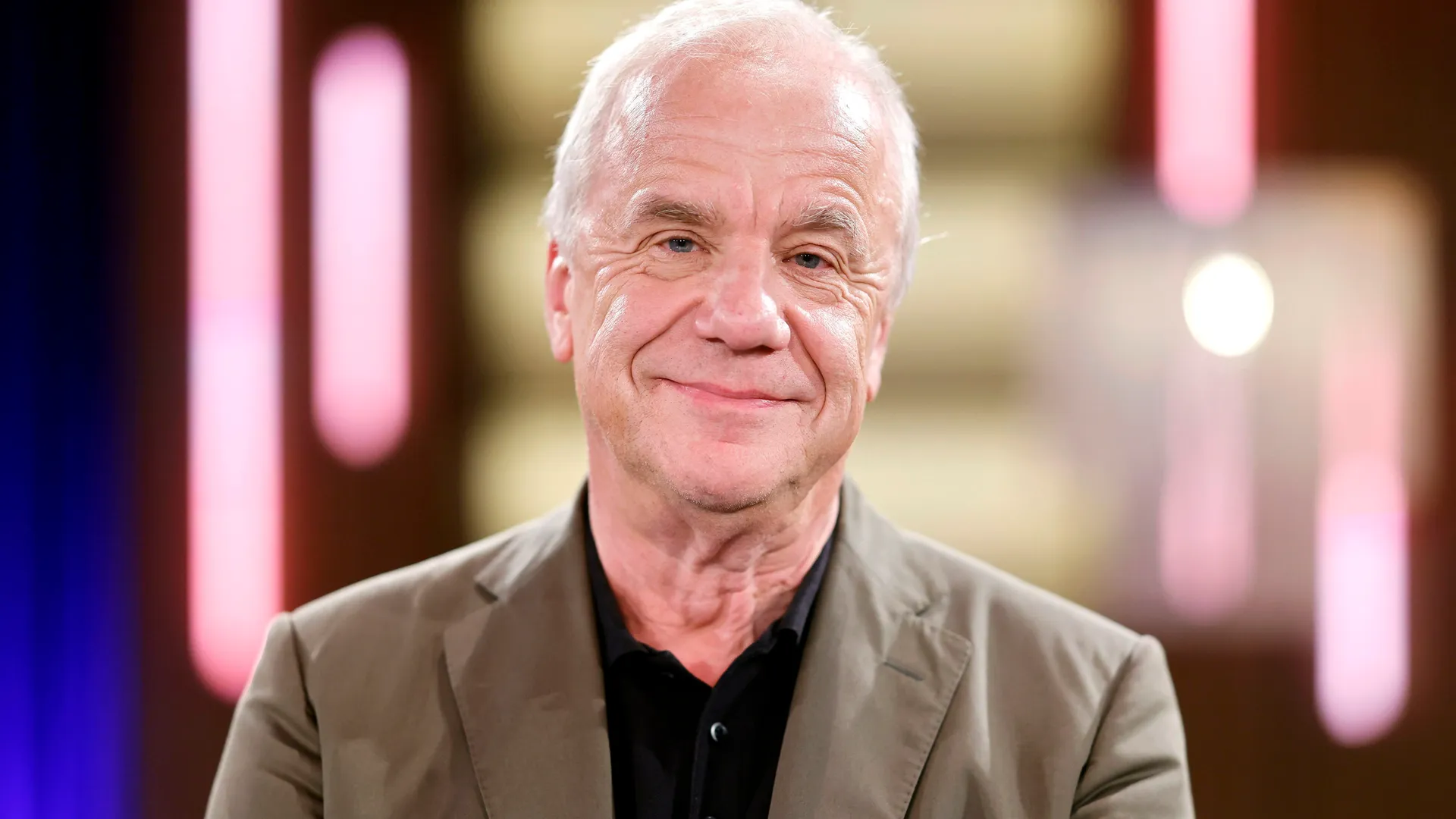
Longtime television host and journalist Hubertus Meyer-Burckhardt, widely recognized for his tenure on the NDR Talk Show, has spoken publicly about how a routine medical examination fundamentally altered his perspective on life. Following a cancer diagnosis, the presenter shifted his focus toward a more deliberate appreciation of time and personal well-being. This shift in mindset, which he has described as a path to greater happiness, highlights the intersection of medical reality and the psychological processing of a life-threatening health event.
For many, a diagnosis of cancer serves as a catalyst for significant existential change. According to public records and interviews conducted by the broadcaster, Meyer-Burckhardt underwent treatment that necessitated a period of reflection regarding his professional commitments and private priorities. The diagnosis, discovered during a standard check-up, did not lead to a retreat from public life but rather a recalibration of how he engages with his work and his environment.
The Impact of a Medical Diagnosis on Personal Perspective
Medical professionals often observe that a serious diagnosis can trigger a “revaluation of values,” a concept frequently discussed in health psychology. In the case of Hubertus Meyer-Burckhardt, the experience served to strip away secondary stressors, allowing him to focus on what he defines as essential. His public statements emphasize that the awareness of mortality, while challenging, acted as a catalyst for a more profound sense of contentment.
From a clinical standpoint, the psychological adaptation to chronic or acute illness varies significantly among individuals. Dr. Helena Fischer, writing from the perspective of an internal medicine physician, notes that patients who actively integrate their diagnosis into a new life narrative often report higher levels of psychological resilience. For Meyer-Burckhardt, this manifested as a conscious decision to pursue happiness despite the uncertainty inherently linked to a cancer journey. His approach underscores a common theme in survivorship: the ability to find “post-traumatic growth” by re-prioritizing daily experiences over long-term anxieties.
Navigating Public Life After a Health Crisis
Continuing his career in media while managing his health has required a delicate balance. Meyer-Burckhardt has remained a fixture on the NDR Talk Show, demonstrating that professional continuity can coexist with personal health management. His transparency regarding his diagnosis has been noted by health advocates as a way to destigmatize the conversation around cancer in the public sphere.
The role of the media in shaping public perception of health crises remains significant. By choosing to share his story, the moderator provides a human face to medical statistics, illustrating that a diagnosis is not synonymous with the cessation of one’s professional identity. His ongoing work continues to be evaluated by audiences and critics alike, not only for its content but for the resilience he displays in the face of his medical history.
Understanding the Shift Toward Mindfulness
What Meyer-Burckhardt describes as newfound happiness is rooted in the practice of living in the present. In various interviews, he has detailed how the diagnosis forced him to abandon the habit of constant forward-looking worry. This transition aligns with established practices in stress reduction that focus on mindfulness and the mitigation of future-oriented anxiety.
For those seeking to understand the medical and psychological implications of such a journey, the primary takeaway is the importance of early detection and the role of mental framing in recovery. Routine screenings, such as the one that led to his diagnosis, remain the most effective tool in managing oncology outcomes. The subsequent psychological process is a highly individual path, yet one that can lead to meaningful life adjustments.
As of the most recent updates, Hubertus Meyer-Burckhardt remains active in his broadcasting duties. His story serves as a reminder of the necessity of regular health check-ups and the power of individual agency when navigating the complexities of a serious medical condition. Readers interested in more information on cancer screening guidelines are encouraged to consult official resources from the German Federal Ministry of Health regarding early detection programs and recommended testing schedules.
We invite our readers to share their thoughts on how public figures can help raise awareness for preventative health measures in the comments section below.
Related reading