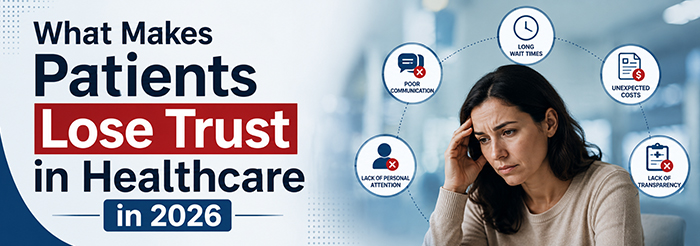
Patient trust in healthcare has undergone a significant decline, with national data indicating that confidence in doctors and hospitals dropped from 71.5% in April 2020 to 40.1% by January 2024. This erosion of confidence persists in 2026, driven by a convergence of systemic pressures, including the integration of artificial intelligence, insurance administrative hurdles, and a persistent physician shortage. While patients increasingly distinguish between the broader healthcare system—often viewed with skepticism—and their individual providers, the cumulative effect of these challenges is changing how patients engage with medical care, leading to delayed treatments and increased reliance on unverified digital health information.
The structural nature of this crisis is evident in the shifting relationship between patients and their primary care providers. According to data tracking the healthcare landscape through early 2025, trust in a personal physician’s ability to make the correct medical recommendations fell to 85%, down from 93% in 2023. This shift suggests that even the most stable element of the patient-provider relationship is being tested by the pressures of the modern medical environment.
The Impact of Insurance and Administrative Barriers
A primary driver of patient distrust is the perceived prioritization of profit over patient outcomes, particularly when insurance coverage is denied or delayed. The administrative burden of pre-approval processes has become a flashpoint for many patients. Between 2021 and 2025, the initial claim denial rate rose by 13 percentage points, creating a significant point of friction. In 2025 alone, hospitals reported spending approximately $18 billion in efforts to reverse these denial decisions, highlighting the massive resources dedicated to administrative disputes rather than direct patient care. Research conducted by the Medical Group Management Association (MGMA) and AMF Media Group, which surveyed 2,400 U.S. adults, identified insurance and pharmaceutical companies, alongside government agencies, as the primary sources of this eroded trust, rather than the physicians themselves.
The use of artificial intelligence in insurance processing has further complicated this dynamic. For older patients, particularly those under Medicare Advantage plans, the reliance on AI-driven tools has been associated with a doubling of denial rates. While approximately 75% of these denials are ultimately overturned upon appeal, the systemic barrier remains high; current data indicates that less than 1% of patients filed an appeal, leaving many to feel that their coverage is arbitrarily restricted.
Digital Information and the AI Trust Gap
The reliance on artificial intelligence for health advice is rising rapidly, with one in three American adults now utilizing AI chatbots for medical guidance. This trend is driven by a lack of access to affordable care and the difficulty of securing timely appointments, with 1 in 5 users citing these logistical barriers as their primary reason for turning to digital tools. However, this shift comes with significant risks. Patients who rely on AI-generated advice have been found to be five times more likely to experience health-related harm compared to those who do not. The issue is compounded by the fact that many large language models are prone to repeating medical inaccuracies if those claims are presented in a clinical or authoritative tone.
Transparency regarding the use of AI in clinical settings is a growing demand among patients. Nearly 66% of Americans report low trust in the current healthcare system’s ability to use AI responsibly, and 58% express doubt that their providers will adequately protect them from potential AI-caused errors. Despite these concerns, there is currently no federal law mandating that healthcare providers disclose the use of AI in diagnosis or treatment planning. This lack of transparency often leaves patients feeling vulnerable and excluded from the decision-making process regarding their own health data.
The Erosion of Continuity and Empathy
The physician shortage remains a critical factor in the decline of patient-provider trust, as trust is fundamentally a relational experience built on history and familiarity. The ability of clinics to maintain consistent care has been severely impacted by workforce instability; for instance, 67% of federally qualified health centers reported losing between 5% and 25% of their staff within a single six-month period during the pandemic, with many of these roles remaining vacant in 2026. When a patient is forced to see a new provider for every visit, the opportunity to build a long-term, trusted relationship is lost, often forcing doctors to attempt to establish rapport within a 15-minute appointment window.
Communication styles also play a decisive role in trust. A study published in the journal Frontiers in Medicine highlighted a significant correlation between physician empathy and patient trust, noting that patient satisfaction serves as a partial mediator in this bond. Factors such as the physical barrier of electronic medical record screens, which can interrupt eye contact, and the perception of being rushed, are frequently cited by patients as reasons for feeling dismissed. This effect is reportedly more pronounced among women, the elderly, and individuals from marginalized communities, who often face additional barriers to quality care.
Consequences for Patient Outcomes
The decline in trust has tangible, real-world consequences for public health. Distrust is frequently linked to the postponement of preventive screenings and the discontinuation of prescribed medications, behaviors that are ultimately associated with higher rates of hospitalization and premature death. For medical practices, this crisis translates into lower appointment compliance and a difficult cycle of patient attrition. Furthermore, the digital reputation of a practice is now a critical factor in patient acquisition; research indicates that 72% of patients consult online reviews before selecting a provider, and many prioritize these digital assessments over personal referrals. A practice that fails to manage its online presence effectively may find itself invisible to a large segment of the potential patient population.
Rebuilding trust requires a deliberate, proactive approach by individual practices. Experts suggest that practices can distinguish themselves by communicating clearly about insurance and the use of AI, investing in staff training to improve empathy, and ensuring continuity of care where possible. By taking visible action to address these concerns, independent and group practices can strengthen the personal physician-patient bond, which remains the most resilient element of the healthcare system.
Worth a look