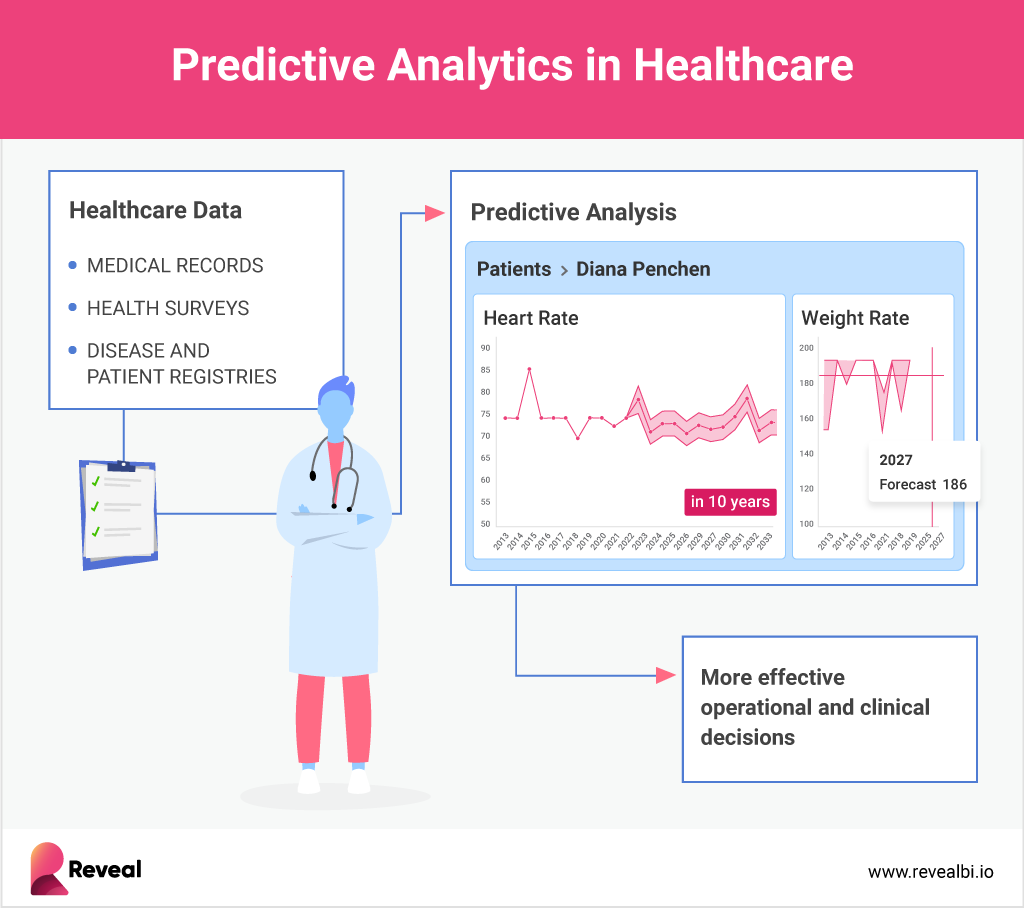
Simple, standardized assessment tools are increasingly proving effective in predicting health trajectories and mortality risks among elderly populations. By utilizing brief, functional, and cognitive screening instruments, healthcare providers can identify individuals at higher risk for decline long before acute clinical symptoms emerge. These predictive methods allow for early intervention, potentially shifting the focus of geriatric care from reactive treatment to proactive, preventative management.
As a physician, I have observed that the primary challenge in geriatric medicine is the heterogeneity of the aging process. While chronological age provides a baseline, it rarely captures the biological reality of a patient’s health status. According to research published by the World Health Organization, intrinsic capacity—the composite of all physical and mental capacities of an individual—is a more accurate predictor of health outcomes than age alone. Standardized tools, such as the Frailty Index or simple gait speed tests, translate this complex clinical reality into actionable data points.
Predictive Value of Functional Assessments
Functional assessments often prioritize physical performance as a marker of systemic health. A widely recognized metric is the “Timed Up and Go” (TUG) test, which measures the time a patient takes to rise from a chair, walk three meters, turn, and return to a seated position. The National Institutes of Health notes that physical performance measures like the TUG are highly sensitive indicators of fall risk and overall functional decline. When a patient’s performance slows over time, it often serves as a “canary in the coal mine,” signaling underlying issues such as sarcopenia, cardiovascular strain, or early cognitive impairment.
Beyond physical mobility, cognitive screening tools like the Mini-Mental State Examination (MMSE) or the Montreal Cognitive Assessment (MoCA) remain foundational. These tools, when administered periodically, provide a quantitative look at cognitive trajectory. According to the Alzheimer’s Association, identifying subtle cognitive shifts early enables clinicians to manage comorbidities that may exacerbate memory loss, such as hypertension or vitamin deficiencies, which are often reversible or treatable.
Integrated Care Models and Early Intervention
The utility of these tools is maximized when they are integrated into a Comprehensive Geriatric Assessment (CGA). A CGA is not a single test but a multidisciplinary approach that evaluates a patient’s medical, psychosocial, and functional capabilities. The British Geriatrics Society emphasizes that CGA is associated with improved survival rates and a higher likelihood of patients remaining in their own homes for longer periods. By using simple, repeatable screening tools, clinicians can determine which patients require a full, resource-intensive CGA, thereby optimizing healthcare resource allocation.
For example, in primary care settings, a nurse or physician assistant can administer a frailty screen in under five minutes. If the result indicates high-risk status, the patient is flagged for a deeper clinical review. This tiered approach ensures that limited specialist time is directed toward those most likely to benefit from intensive intervention, such as physical therapy, medication review, or nutritional support.
Limitations and the Future of Geriatric Screening
While these tools are powerful, they are not diagnostic in isolation. They are screening instruments that identify the need for further clinical investigation. A common pitfall in clinical practice is over-reliance on a single score. As noted by the British Medical Journal, screening tools must be interpreted within the context of a patient’s personal goals, values, and living environment. A slow walking speed may be concerning, but it must be viewed alongside the patient’s baseline and any recent changes in medication or social support.
Looking ahead, the integration of digital health tools and wearable technology is expected to refine these predictive models. Continuous monitoring of activity levels, sleep patterns, and heart rate variability offers a more granular, real-time look at health than periodic office-based assessments. As research continues to validate these digital markers, the ability to predict health outcomes for the elderly will likely become both more precise and less intrusive, supporting a model of aging that prioritizes independence and quality of life.
The next major checkpoint for clinical practice involves the implementation of updated guidelines from national health boards regarding the frequency of geriatric screenings in primary care. As we move toward more data-driven, preventative health systems, the focus will shift from simply measuring decline to actively slowing it through early, evidence-based intervention. What has your experience been with geriatric screening tools in your local healthcare system? Please share your thoughts or questions in the comments below.
Worth a look