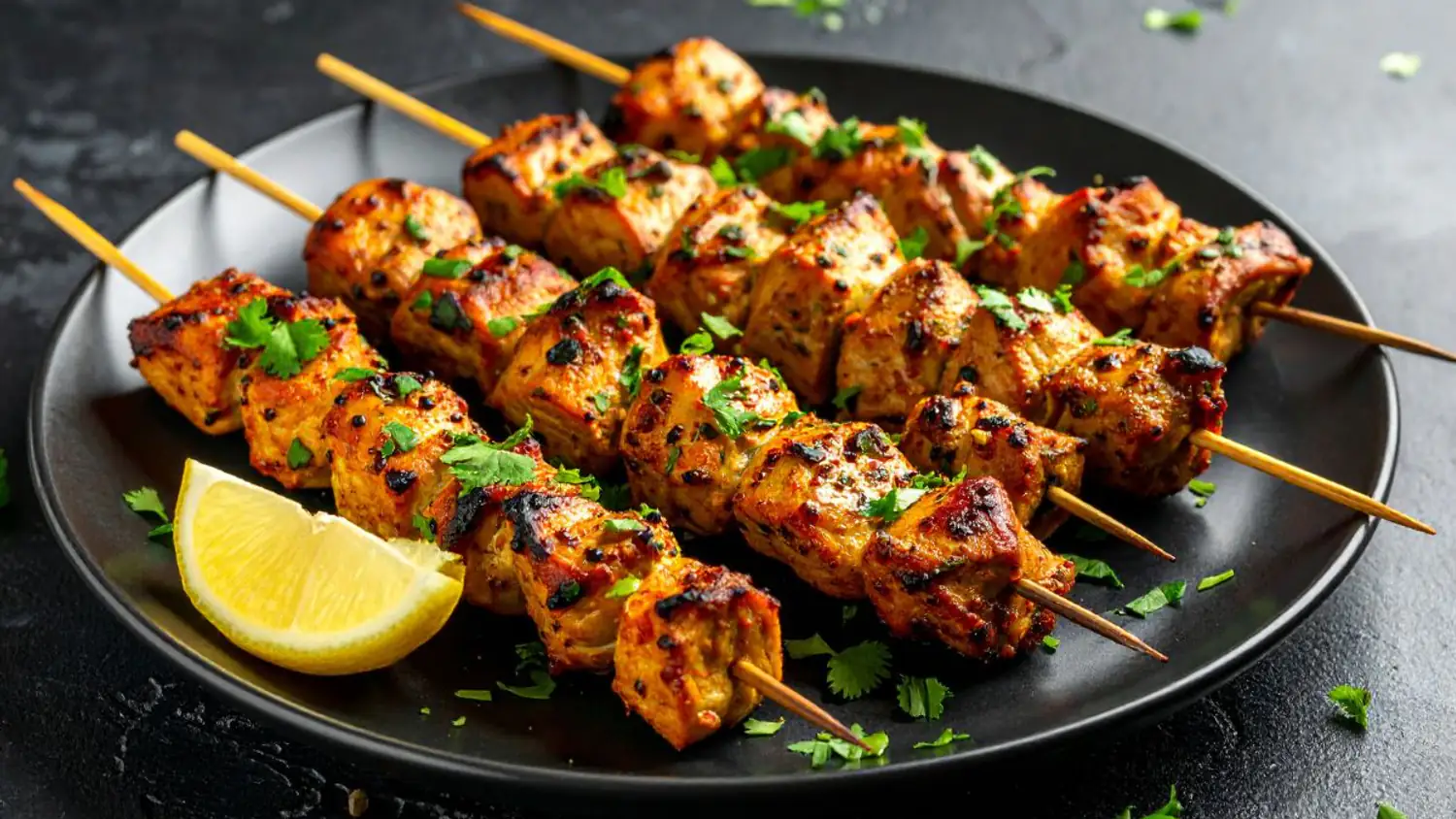
Greek-style chicken skewers paired with a refreshing watermelon, feta, and mint salad have emerged as a definitive seasonal trend for home cooks seeking light, vibrant meals. This combination leverages the high water content of seasonal fruit and the lean protein of marinated poultry to create a balanced, Mediterranean-inspired menu that minimizes time spent near a hot stove during peak summer temperatures.
According to culinary standards established by the Mediterranean Diet Foundation, the integration of fresh herbs like mint with salty cheeses and hydrating produce is a hallmark of regional summer eating habits. By focusing on simple preparation methods such as grilling or roasting, these dishes prioritize the natural flavor profiles of fresh ingredients while maintaining nutritional density.
The Fundamentals of Greek-Style Chicken Skewers
The success of Greek-style chicken skewers relies heavily on a proper marinade to tenderize the meat and infuse it with traditional aromatics. Essential components typically include high-quality olive oil, fresh lemon juice, dried oregano, and minced garlic. Culinary experts at the Culinary Institute of America note that marinating chicken for at least 30 minutes, but no more than four hours, ensures the acidity of the lemon juice does not compromise the texture of the protein.
When selecting chicken for skewers, boneless, skinless thighs are often preferred over breasts for their higher fat content, which prevents the meat from drying out under high-heat cooking conditions. Once marinated, the chicken is threaded onto skewers—often interleaved with red onion or bell pepper—and cooked until the internal temperature reaches 165°F (74°C), as mandated by the U.S. Department of Agriculture (USDA) food safety guidelines for poultry.
Balancing Flavors with Watermelon, Feta, and Mint
The watermelon, feta, and mint salad serves as a structural counterpoint to the savory, charred notes of the chicken. This dish relies on the scientific principle of flavor contrasting, where the intense saltiness of the feta cheese enhances the natural sweetness of the watermelon. The addition of fresh mint provides a cooling effect, which is particularly effective in hot weather climates.
According to nutritional data from the USDA FoodData Central, watermelon is composed of approximately 92% water, making it a low-calorie choice for hydration. When combined with feta, which provides a source of calcium and protein, the salad transitions from a simple fruit dish to a substantial side. For optimal texture, chefs recommend cubing the watermelon into uniform sizes and crumbling the feta immediately before serving to prevent the cheese from dissolving into the fruit juice.
Seasonal Preparation and Serving Tips
To maximize the quality of this summer meal, sourcing local produce is recommended. Seasonal watermelons are typically at their peak sweetness between June and August in the Northern Hemisphere. Similarly, using fresh oregano rather than dried can significantly alter the aromatic profile of the chicken marinade.
For those looking to scale this recipe for gatherings, preparation can be streamlined by pre-marinating the chicken the night before. However, the salad should be assembled in stages: the watermelon can be prepped in advance, but the dressing—typically a light drizzle of extra virgin olive oil and a splash of lime or lemon juice—should be added at the last possible moment. This prevents the salt in the feta from drawing too much moisture out of the melon, which would otherwise lead to a soggy consistency.
Nutritional Considerations and Food Safety
From a nutritional standpoint, this pairing offers a balance of macronutrients. The chicken provides essential protein, while the salad offers vitamins A and C, along with lycopene found in watermelon. It is critical, however, to maintain strict hygiene practices when handling raw poultry. Cross-contamination between the raw chicken skewers and the fresh salad ingredients remains a primary concern in home kitchens.
Official guidance from the Centers for Disease Control and Prevention (CDC) emphasizes that all surfaces, utensils, and hands must be thoroughly washed after contact with raw meat. By keeping the preparation of the skewers and the salad physically separated, home cooks can mitigate the risk of foodborne illness while enjoying seasonal ingredients.
For further updates on seasonal food safety and updated nutritional guidelines, readers can consult the FoodSafety.gov portal. We encourage readers to share their own variations of these Mediterranean-inspired recipes in the comments section below.
Worth a look