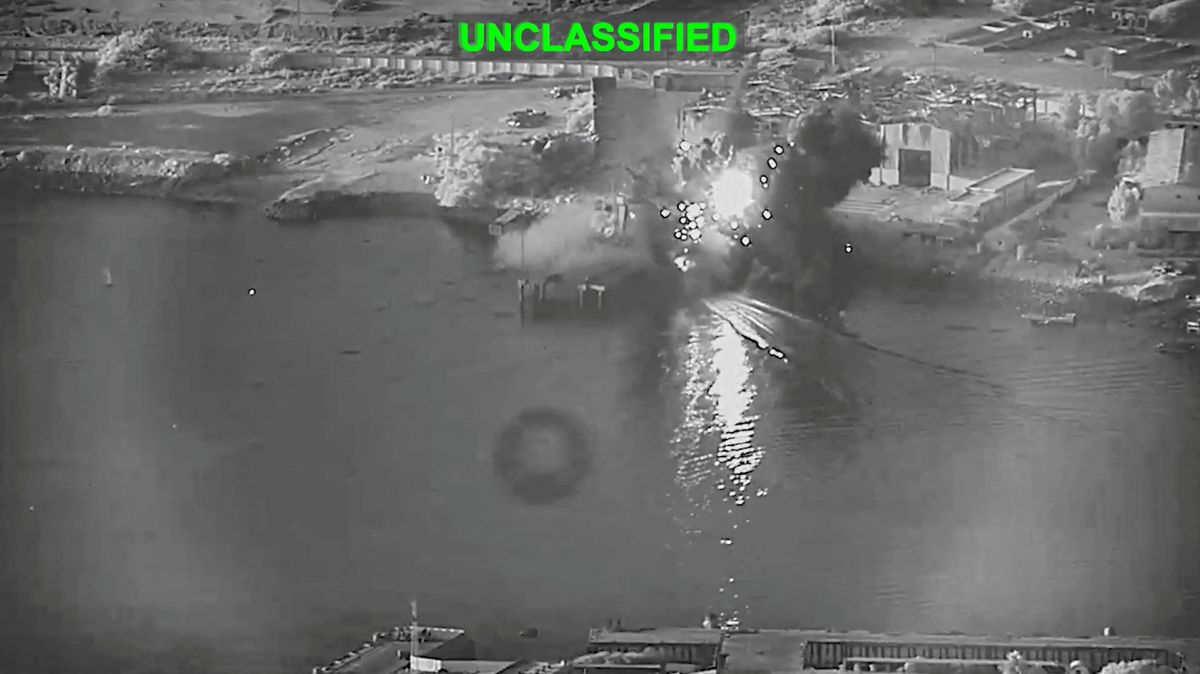
Tensions in the Middle East have escalated following reports of sustained military activity involving the United States and Iran, as regional instability impacts global energy markets and maritime security. According to reports, the U.S. has conducted a series of operations in the region, while political rhetoric regarding Iran’s nuclear infrastructure has intensified amid broader concerns over the security of the Strait of Hormuz.
The situation remains fluid, with global markets reacting to the potential for supply chain disruptions. The Strait of Hormuz serves as a critical chokepoint for global oil supplies, and any sustained conflict or regional blockade poses a significant risk to the volatility of crude prices. Analysts are currently monitoring how these geopolitical pressures translate into immediate costs for importers and the shipping industry.
Maritime Security and the Strait of Hormuz
The Strait of Hormuz remains a focal point of the current tensions, with reports indicating that commercial shipping operators are increasingly adopting clandestine tactics to avoid detection. Vessels have been observed disabling transponders to navigate the area without broadcasting their position to regional observers.

This behavior reflects a broader climate of uncertainty for the shipping industry. As maritime insurers adjust premiums in response to the heightened risk profile of the Persian Gulf, freight operators are grappling with the logistical challenges of maintaining trade flows through one of the world’s most vital energy corridors. These defensive measures by commercial shippers underscore the lack of confidence in the current security environment.
Nuclear Infrastructure and Political Rhetoric
Recent public statements from political figures have amplified concerns regarding Iran’s nuclear facilities. The discourse surrounding the security of these sites, including those located in mountainous terrain, has become a central theme in the diplomatic standoff.
The debate over potential military posturing against hardened, underground facilities has historical precedents in regional security discussions. However, experts emphasize that such threats are distinct from verified military operations.
Global Market and Economic Consequences
The economic impact of these developments is being felt most acutely in the energy sector. Oil prices have shown sensitivity to every report of military activity or threats to maritime transit. Market participants are pricing in a “geopolitical risk premium,” which accounts for the possibility of a sudden, widespread disruption in supply.
For the average consumer, this translates to fluctuations at the pump and uncertainty regarding long-term inflation. Regional conflicts in the Middle East are among the primary drivers of global commodity price volatility. As central banks monitor these trends, the potential for prolonged instability remains a key variable in their economic outlooks for the coming quarters.
Next Steps in Regional Monitoring
Observers are also monitoring updates for any changes in the operational status of forces deployed to the Persian Gulf.
As the situation develops, we will continue to update our coverage with verified reports from official government channels and international maritime authorities. We encourage our readers to share their perspectives in the comments section below or join the discussion on our social media channels as we track these significant shifts in global security.
- US-Iran Tensions: Shipping Insurance Costs Surge as Trump Demands ‘Protection Payments’ from Gulf Allies
- Human Rights Watch: Thailand Must Stop Forcible Return of Chinese Dissidents to China
- Why Gas Prices Can Differ by $1 Between Stations a Block Apart (daybreakwire.com)
- Oil Prices Surge as US Strikes Iranian Targets and Blockades Hormuz Strait (archyworldys.com)