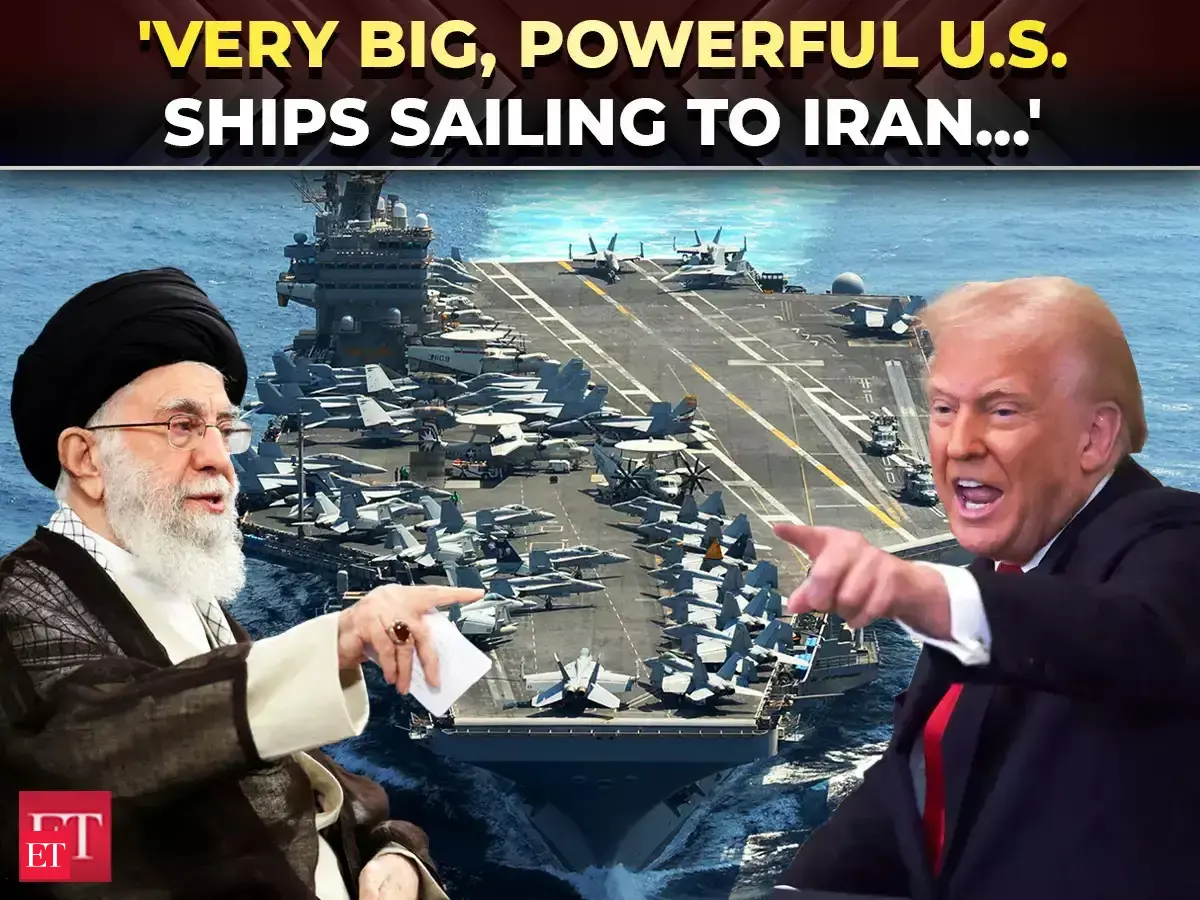
Rising tensions between the United States and Iran have triggered a significant increase in maritime war risk insurance premiums for commercial vessels transiting the Middle East, according to industry data. The climbing costs reflect heightened concerns over the security of the Strait of Hormuz, a critical global energy chokepoint where commercial shipping traffic has experienced a marked decline in recent months.
As global markets monitor the situation, the economic burden of these security premiums has become a point of international contention. While shipowners and global insurers are adjusting rates to account for potential conflict, political rhetoric concerning who should bear the cost of regional security has intensified, drawing in major powers and regional stakeholders.
Escalating War Risk Premiums in the Middle East
Maritime war risk insurance premiums are calculated based on the perceived threat to vessels operating in specific “high-risk” areas. In the Persian Gulf and the Strait of Hormuz, these rates have seen upward adjustments as geopolitical friction persists. According to reports from the shipping industry, underwriters have been forced to recalibrate their risk assessments due to the increased probability of vessel seizures, drone attacks, or regional military escalations, as detailed in Lloyd’s of London market updates on maritime risk. These premiums, which are additional to standard hull and machinery insurance, serve as a direct financial barometer for the instability in the region.

The rise in these costs is not merely a technical adjustment; it is a signal of the tangible impact that geopolitical volatility has on global supply chains. For vessels carrying crude oil and liquefied natural gas (LNG), these added costs are eventually passed down to consumers, contributing to broader inflationary pressures on energy commodities. The International Maritime Organization (IMO) has consistently urged for the protection of freedom of navigation, yet the current security climate continues to complicate transit operations for commercial carriers.
Commercial Shipping Trends in the Strait of Hormuz
Official monitoring of maritime traffic confirms a shift in patterns within the Strait of Hormuz. Data from vessel tracking services and port authorities indicate that the volume of commercial shipping has decreased as operators seek to mitigate risk or reorganize logistics to avoid the narrow waterway. The Strait, which handles approximately 20% of the world’s total oil consumption, remains the most sensitive artery in global energy trade, according to the U.S. Energy Information Administration (EIA).

This reduction in traffic is symptomatic of a “wait-and-see” approach adopted by many shipping lines. When insurance premiums reach a certain threshold, the economic viability of traditional routes is questioned. Furthermore, the presence of military assets from various nations in the region—intended to ensure safe passage—has created a complex, often crowded, maritime environment that further complicates standard commercial transit.
The Debate Over Responsibility and ‘Protection Fees’
The economic impact of securing these waters has sparked a debate over who should finance the naval presence. In recent public statements, political figures have suggested that nations benefiting from the secure passage of energy exports should contribute more significantly to the costs of regional security. This framing of security as a “paid service” has drawn varied reactions from regional capitals.
The discourse highlights a shift in how international security is viewed by some political actors, who argue that the burden of patrolling international waters—a task traditionally viewed as a global public good—should be shared more equitably among the nations whose economies are most dependent on the stability of the Persian Gulf. Conversely, regional officials have historically maintained that their own security expenditures are already substantial and that the stability of the Strait is a matter of international law and collective responsibility rather than a bilateral transaction.
Operational Challenges for Global Trade
For the average shipping operator, the current situation creates a dual challenge: higher operational overhead due to insurance and increased planning complexity due to the need for constant security monitoring. Many vessels now utilize private maritime security companies (PMSCs) to provide onboard armed guards, adding another layer of cost and regulatory compliance to each voyage. The International Chamber of Shipping (ICS) continues to advocate for de-escalation, emphasizing that the costs of potential conflict far outweigh the current premiums being levied on the shipping industry.

The long-term outlook remains tied to diplomatic developments. As long as the current state of “neither war nor peace” persists in the region, insurance markets are likely to maintain elevated risk ratings. Shippers are encouraged to monitor updates from the U.S. Maritime Administration (MARAD), which provides regular advisories regarding threats to commercial vessels operating in the Middle East.
The next major checkpoint for the industry will be the upcoming quarterly review by the Joint War Committee (JWC) of the Lloyd’s Market Association, which periodically updates the list of “Listed Areas” where vessels are subject to additional premiums. Market participants are also awaiting further clarity on regional diplomatic initiatives that may impact the security environment in the coming months. We invite our readers to share their perspectives on the intersection of geopolitics and global trade in the comments section below.
- Wildfire Burns 1,200 Hectares in Fontainebleau Forest Near Paris
- Dangote Industries Offers N500,000 Reward for Whistleblowers Reporting Truck Theft and Illegal Goods
- Why Your Car Insurance Premium Rose Even With a Clean Driving Record (daybreakwire.com)
- How the US Power Grid Is Managing Data Center Energy Demands (news-usa.today)