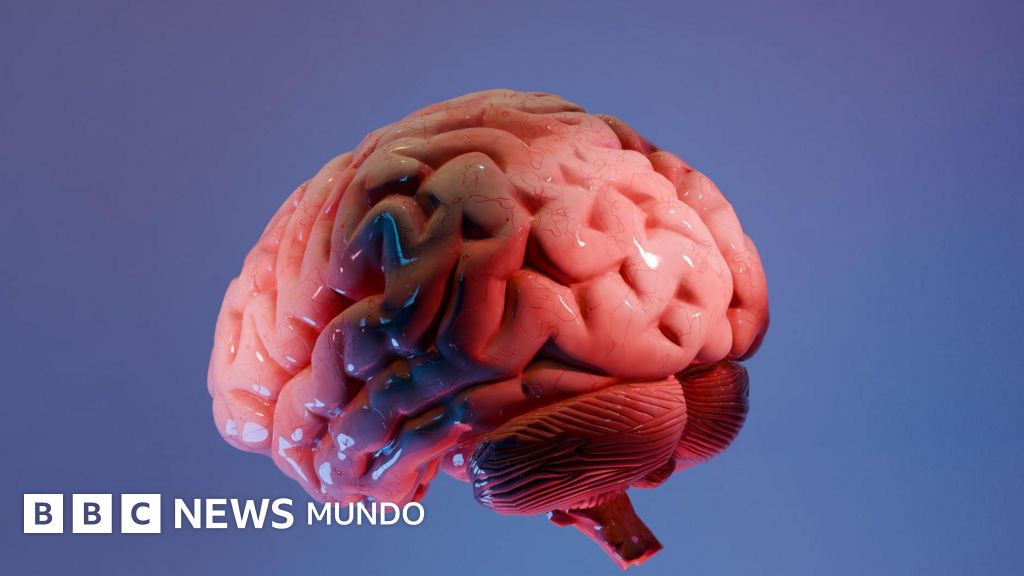
Scientists have achieved a significant milestone in neurobiology by developing a comprehensive, high-resolution atlas of the human brain, providing an unprecedented map of cellular diversity and spatial organization. This initiative, primarily driven by the National Institutes of Health (NIH) through the Brain Research Through Advancing Innovative Neurotechnologies (BRAIN) Initiative, integrates data from multiple international research institutions to catalog thousands of distinct cell types. By identifying the specific genetic and molecular signatures of these cells, researchers are gaining a clearer understanding of how the brain’s architecture supports cognitive function and how its disruption may contribute to neurological and psychiatric disorders.
Mapping the Cellular Landscape of the Human Brain
The creation of this atlas represents the culmination of a multi-year effort to move beyond traditional anatomical mapping. Historically, brain mapping relied on structural imaging, such as MRI, which provided a macroscopic view of brain regions. The new data, however, utilizes single-cell transcriptomics to analyze the gene expression patterns within individual neurons and non-neuronal cells. According to the National Institutes of Health (NIH) BRAIN Initiative, this molecular approach allows scientists to classify cells based on their unique biological “fingerprints” rather than just their location or shape.
This cellular census identifies more than 3,000 distinct cell types across the adult human brain, a level of complexity previously obscured by bulk tissue analysis. By mapping these cells, the research team is essentially building a “parts list” for the human brain. This foundational work is crucial for understanding how specific circuits develop, function, and eventually fail in disease states. The findings were published in a series of papers in the journal Science, providing a standardized reference for the global neuroscience community.
Molecular Insights into Neurological Health
The clinical implications of this atlas are substantial. By pinpointing the specific cell types affected by genetic mutations linked to brain disorders, researchers can better understand the biological basis of conditions such as autism, schizophrenia, and Alzheimer’s disease. For instance, data from the Allen Institute for Brain Science, a key contributor to this international effort, indicates that certain cell types show higher vulnerability to specific disease-related genes, providing potential targets for future therapeutic interventions.
Beyond disease mapping, the atlas offers a comparative view of brain evolution. Researchers have compared the human cellular map with those of non-human primates and other mammals, revealing both the conservation of core brain structures and the unique cellular specializations that distinguish the human brain. This evolutionary perspective helps clarify which cognitive functions are uniquely human and provides a framework for interpreting results from preclinical animal models used in drug development.
Advancing Precision Medicine in Neurology
The integration of this atlas into clinical research marks a transition toward precision neurology. Just as oncologists use genetic profiles to tailor cancer treatments, neuroscientists are now exploring how individual cellular variations influence a patient’s response to neurological treatments. The BRAIN Initiative Cell Census Network (BICCN) has established this atlas as an open-access resource, ensuring that researchers worldwide can utilize the data to accelerate their own investigations into brain function.
As the project moves into its next phase, the focus shifts from static mapping to understanding the dynamic interactions between these cell types. Future research will likely involve mapping the connectivity between these identified cell populations, creating a “wiring diagram” that complements the current cellular atlas. This ongoing work remains a centerpiece of modern neuroscience, with updates and new datasets released through the official NIH portal as they become available.
This research underscores the shift in medical science toward high-resolution, data-driven diagnostic tools. By providing a standardized reference, the atlas acts as a common language for neuroscientists, reducing variability across studies and increasing the reproducibility of findings in brain research. For clinicians and researchers alike, the atlas serves as a foundational step toward more effective interventions for the most complex organ in the human body.
Readers interested in the ongoing progress of these maps can follow updates through the BRAIN Initiative’s official channels. As the database grows to include more diverse human populations and developmental stages, the potential for identifying early biomarkers for neurological decline continues to expand. We encourage our readers to participate in the conversation below regarding the impact of these findings on the future of medical diagnostics and mental health treatment.
Keep reading