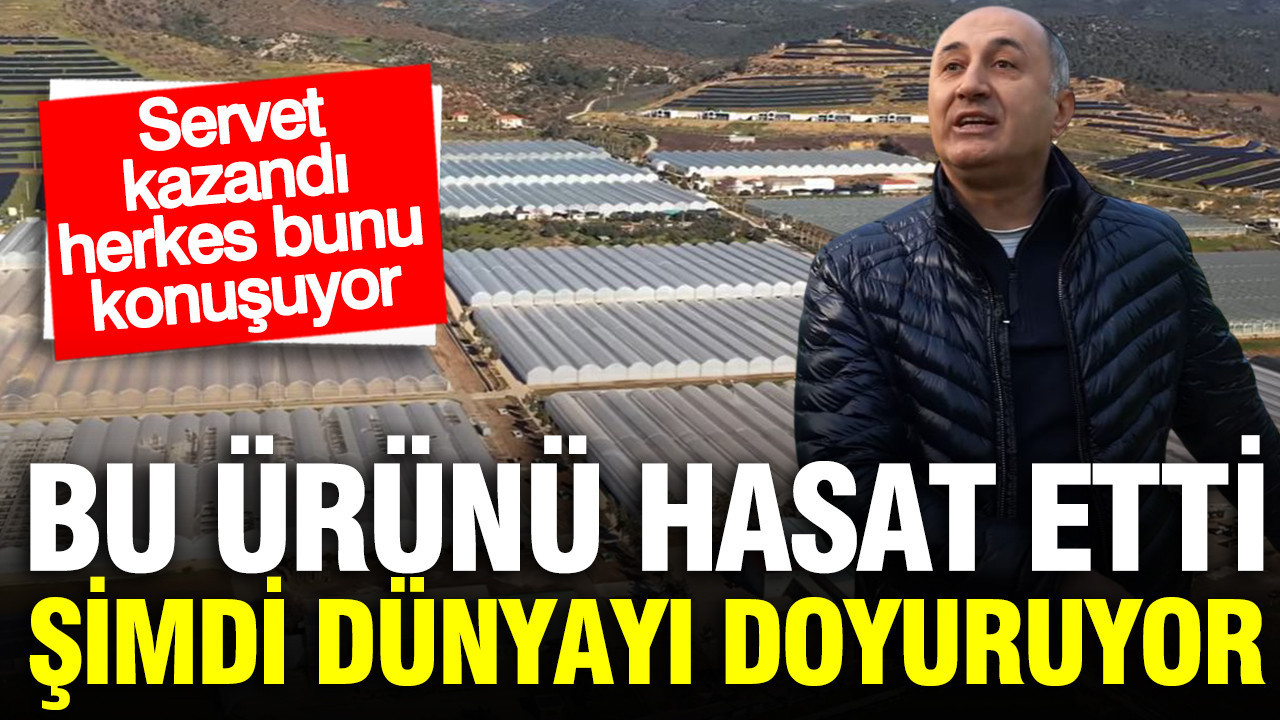
Controlled-environment agriculture (CEA) is rapidly transforming from a niche technological interest into a cornerstone of global food security strategy. As traditional farming faces mounting pressure from climate volatility and land scarcity, large-scale greenhouse operations are proving that significant yields can be achieved through precision engineering. What began as localized pilot projects—often starting on modest plots—has evolved into industrial-scale production capable of feeding regional populations year-round.
The shift toward high-tech greenhouses represents a fundamental change in how the agricultural sector manages risk and resource efficiency. By decoupling crop production from seasonal weather patterns, operators are achieving consistent output levels that were previously unattainable through open-field cultivation. According to the Food and Agriculture Organization of the United Nations (FAO), the adoption of protected cultivation technologies is essential for increasing calorie production per hectare while reducing the reliance on chemical fertilizers and pesticides.
The Economics of Precision Agriculture
Modern greenhouse facilities operate less like traditional farms and more like high-precision manufacturing plants. These structures utilize automated climate control, hydroponic or aeroponic irrigation, and LED lighting arrays to simulate optimal growing conditions 24 hours a day. This transition is not merely about output volume; it is an exercise in data-driven efficiency. By monitoring moisture, nutrient uptake, and light exposure in real-time, operators minimize waste and maximize the nutritional profile of the produce.

The scaling of these operations—often expanding from small, initial test sites to expansive, multi-hectare facilities—is fueled by the need to stabilize food prices against the inflationary pressures of global supply chain disruptions. The World Bank emphasizes that climate-smart agriculture, including advanced greenhouse systems, is critical for maintaining market stability in regions vulnerable to drought and extreme temperature fluctuations.
Global Impact and Resource Management
One of the most significant advantages of large-scale greenhouse integration is water conservation. In traditional irrigation, a substantial percentage of water is lost to evaporation and runoff. Advanced greenhouse systems often employ closed-loop water circulation, which can reduce water usage by up to 90% compared to conventional soil-based farming. This efficiency is a critical metric for investors and policymakers evaluating the long-term viability of agricultural projects in water-stressed regions.

Furthermore, the localization of food production reduces the carbon footprint associated with long-haul logistics. By situating high-yield greenhouses near urban centers, producers can drastically shorten the time from harvest to consumer, ensuring fresher produce while lowering transportation costs. This model is currently being adopted by both private equity firms and government-backed agricultural initiatives worldwide as a method to fortify domestic food supplies against external shocks.
Scaling for Future Sustainability
The trajectory of greenhouse expansion suggests that the next phase of development will focus on energy integration. As these facilities require significant electricity to power climate systems, the integration of solar and wind energy is becoming a standard requirement for operational sustainability. The International Energy Agency (IEA) notes that the synergy between renewable energy generation and high-tech agriculture is a key area for future capital investment, particularly as countries aim to meet net-zero emissions targets by 2050.
For entrepreneurs and stakeholders, the primary challenge remains the high initial capital expenditure (CapEx) required to establish these facilities. However, as sensor technology becomes more affordable and automation software matures, the payback period for these investments is shrinking. The industry is currently moving toward a model where modular, scalable greenhouse units allow operators to increase their footprint incrementally, mitigating the financial risks that once made large-scale vertical or horizontal farming prohibitive.
As the sector continues to mature, market participants are looking toward the next round of agricultural policy updates and sustainability reporting mandates to guide further expansion. Investors and industry observers are encouraged to monitor upcoming filings and regional agricultural development reports for indicators of continued growth in the controlled-environment sector. Your insights on the future of sustainable food production are welcome; please share your thoughts or join the conversation in the comments section below.