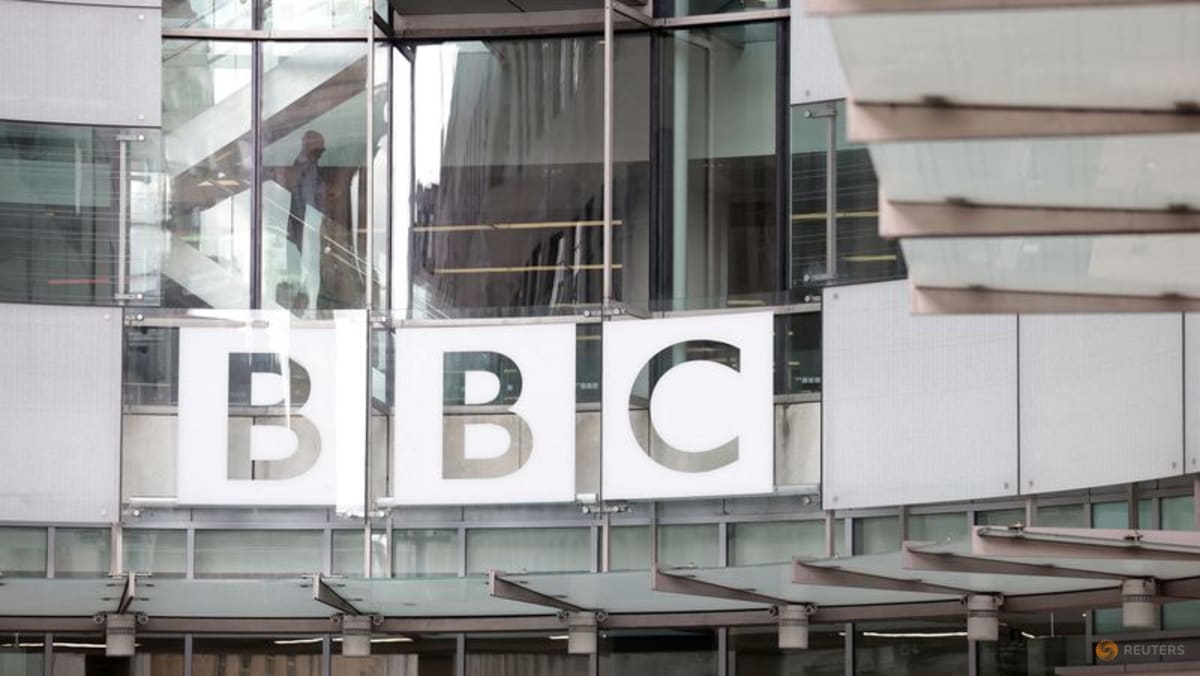
The British Broadcasting Corporation (BBC) has formally signaled that its current funding model, anchored by the mandatory television license fee, is facing long-term sustainability challenges. In its latest annual report and subsequent strategic briefings, the broadcaster indicated that changing audience habits, particularly the shift toward on-demand streaming services, have necessitated an urgent review of how the corporation will be financed in the coming decade. The government-mandated license fee, which currently serves as the primary revenue stream for the BBC’s public service operations, is scheduled to undergo significant scrutiny ahead of the expiration of the current Royal Charter in December 2027.
As the Chief Editor of the Business section at World Today Journal, I have tracked the evolution of public media funding for nearly two decades. The current financial pressure on the BBC is not merely a localized budgetary issue; it reflects a broader global transition in media economics where traditional subscription-style public levies are struggling to compete with the scale and data-driven models of international streaming giants. The BBC’s management has explicitly stated that the status quo is becoming increasingly difficult to maintain as the number of households choosing not to pay the fee rises, a trend closely monitored by the Office of Communications (Ofcom), the UK’s communications regulator.
The Financial Mechanics of the License Fee
The BBC is primarily funded by a license fee paid by UK households that watch or record live television, or use the BBC iPlayer catch-up service. According to official BBC Annual Report and Accounts, this fee accounts for the vast majority of the corporation’s total income, allowing it to operate without traditional advertising on its domestic television channels. However, the fee has been subject to a government-imposed freeze in recent years, which the corporation argues has significantly eroded its purchasing power in an era of high inflation.

The sustainability of this model relies on high compliance rates and a broad base of contributing households. Data released by the Department for Science, Innovation and Technology, which oversees broadcasting policy, shows that the number of households declaring they do not require a TV license has trended upward as younger demographics increasingly bypass linear television. This demographic shift creates a “funding gap” that complicates the BBC’s ability to invest in high-cost prestige dramas, sports broadcasting rights, and global news infrastructure.
Strategic Challenges and Market Competition
The BBC’s leadership, including Director-General Tim Davie, has emphasized that the corporation must adapt to a “digital-first” strategy to remain relevant. This transition involves shifting resources from traditional broadcast channels toward iPlayer and online-exclusive content. Yet, this move requires substantial capital investment at a time when the core revenue stream is stagnant. Unlike commercial competitors such as Netflix or Disney+, the BBC faces stringent regulatory requirements to provide universal service, meaning it must cater to all demographics rather than focusing solely on profitable niches.

Market analysts often point to the “value proposition” problem. As global streamers offer vast libraries of content for a competitive monthly fee, the flat-rate nature of the license fee—which is a legal requirement for those using the service—faces growing political and public scrutiny. The House of Lords Communications and Digital Committee has previously held inquiries into the future of the BBC, highlighting the tension between the need for a stable, independent funding source and the public’s desire for a more flexible, choice-based payment model.
The Path to 2027 Charter Renewal
The legal framework governing the BBC, known as the Royal Charter, sets the terms for its operation and funding. The current charter expires on December 31, 2027, and the lead-up to this date is expected to be a period of intense policy negotiation. The UK government has the authority to propose fundamental changes to the funding model, ranging from a subscription-based system to a direct grant from general taxation, or a hybrid model that retains some form of the license fee.
The UK Government’s Mid-Term Review of the BBC, published in 2024, underscored the necessity for the corporation to improve its transparency and governance while exploring alternative funding mechanisms. While no definitive decision has been made, the discussion remains at the forefront of UK media policy. The BBC is currently preparing its case for the next charter period, arguing that its role as a provider of impartial news and cultural output remains a public good that requires a protected funding mechanism, regardless of the specific financial vehicle used to collect it.
Looking Toward Future Updates
The next major checkpoint in this process will be the government’s publication of a formal “Green Paper” or similar policy document outlining the proposed terms for the post-2027 charter. This will likely serve as the basis for public and industry consultations. Interested parties and members of the public can monitor updates via the official UK government portal, where consultations regarding broadcasting legislation are typically posted for public comment.

As the BBC navigates this transition, the debate will likely center on finding a balance between ensuring the corporation’s financial independence from political influence and meeting the modern consumer’s expectation for flexible, value-driven media access. For those following the intersection of public policy and digital economics, the outcome of these negotiations will set a significant precedent for public service broadcasting worldwide.
What are your thoughts on the future of public media funding? Share your views in the comments section below or join the conversation on our social media platforms.