The Hungarian political landscape is undergoing a significant shift as the government moves to restructure key state institutions and review the tenure of high-ranking officials. Recent legislative actions in the Hungarian Parliament, including amendments to the constitution, have signaled a calculated effort to alter the current alignment of the presidency and influence the oversight of national media outlets, according to reports from regional observers and parliamentary records.
This transition follows the emergence of political figures and movements aiming to challenge the long-standing influence of Prime Minister Viktor Orbán’s administration. These developments, which include constitutional changes and shifts in the management of public media, represent a broader, ongoing debate regarding the distribution of power and the autonomy of state-funded institutions within Hungary, as noted by international reporting agencies monitoring the region.
Parliamentary Amendments and the Presidency
The Hungarian Parliament has moved forward with constitutional adjustments that directly affect the office of the President. These legislative changes are designed to address the tenure of the current head of state, who has been characterized as loyal to Orbán. By modifying the constitutional framework, the governing majority is effectively accelerating a transition process that critics and political analysts suggest is aimed at diminishing the influence of the current presidential administration, as reported by Latvijas Sabiedriskie mediji (LSM).

Shifting Dynamics in Public Media
Beyond the presidential office, the Hungarian government is overseeing a fundamental reorganization of the country’s public media sector. The stated objective of these changes is to reduce the influence of the current administration over state-funded broadcasting and news production. This transformation is part of a wider effort by various political actors, including Péter Magyar, to dismantle the existing media ecosystem that has been described by international watchdogs as heavily skewed toward the government’s perspective, according to reporting by Diena.
The Role of Emerging Political Movements
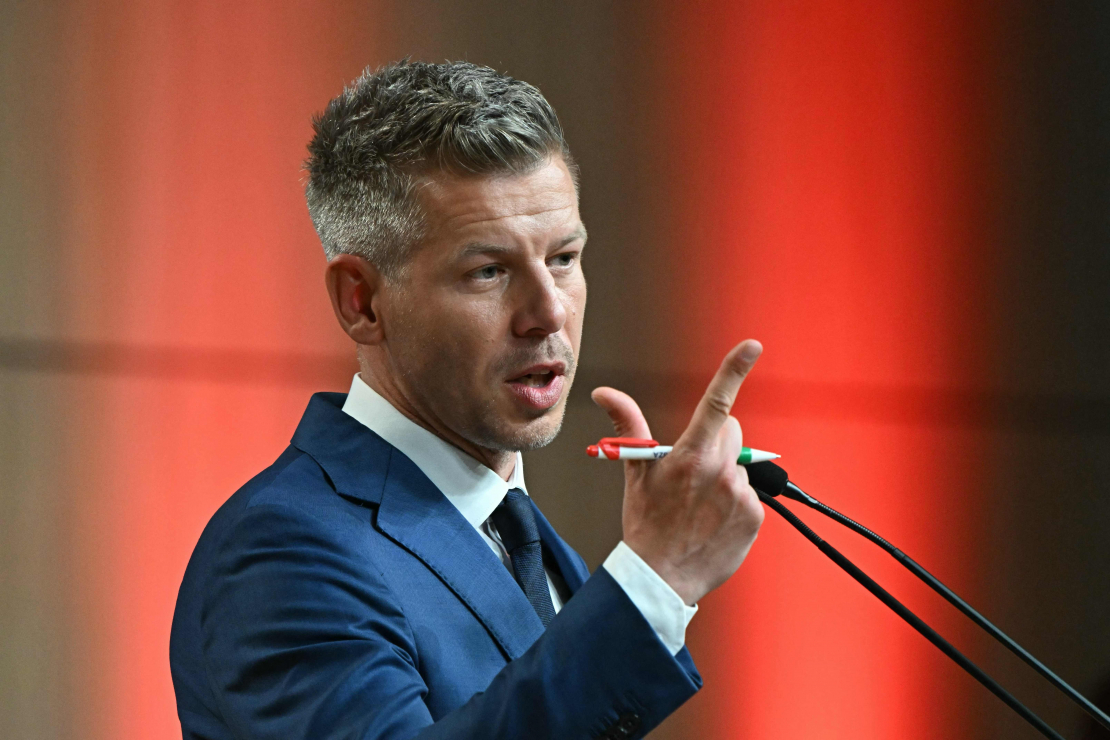
The impetus for these structural changes is partly attributed to the growing visibility of Péter Magyar, who has emerged as a vocal critic of the Fidesz-led government.
According to analysis from regional outlets like Delfi, the government’s decision to pursue constitutional amendments and media reform is, in part, a reaction to the political capital Magyar has gathered.
Looking Ahead: Institutional Transitions
We encourage our readers to share their perspectives on these developments in the comments section below and to stay tuned for further updates as official records and parliamentary proceedings become available.