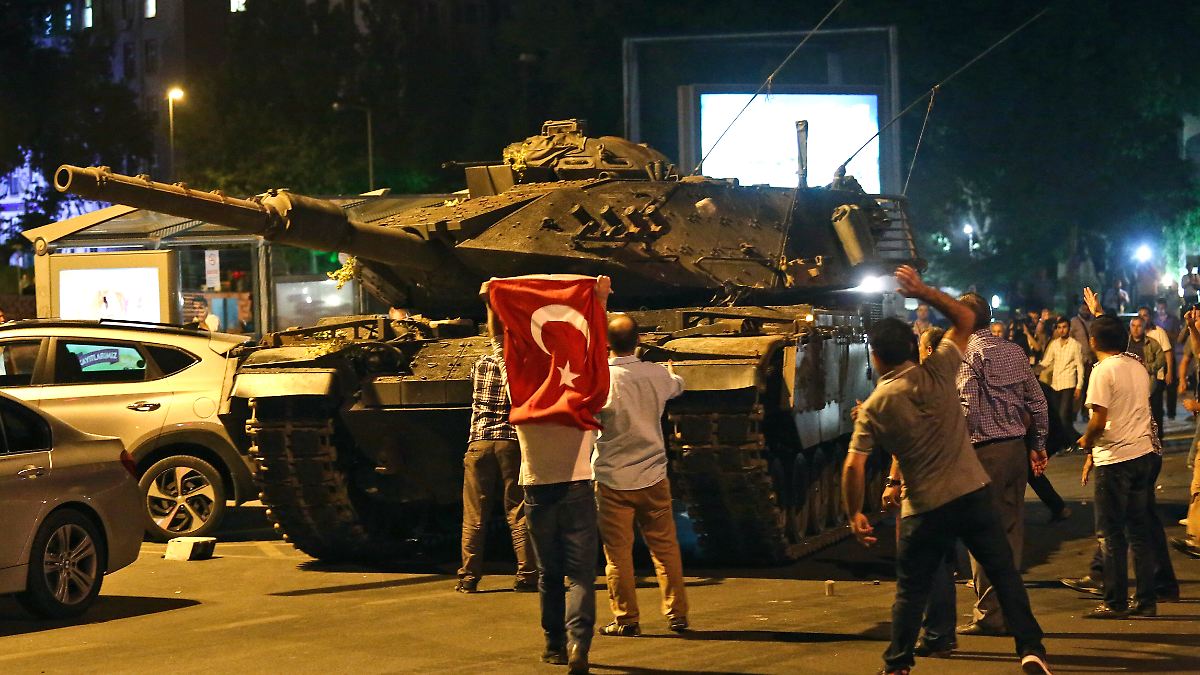
Ten years after the failed coup attempt in Turkey, the political landscape remains defined by the systemic consolidation of executive power and ongoing state-led efforts to dismantle the influence of the Fethullah Gülen network. While the initial aftermath of the 2016 uprising saw immediate, widespread crackdowns, the Turkish government continues to conduct large-scale operations against individuals alleged to have links to the movement. These security measures, characterized by regular mass arrests and judicial proceedings, continue to reshape the country’s domestic opposition and civil society.
The 2016 coup attempt served as a catalyst for a state of emergency that fundamentally altered the governance of the Republic of Turkey. The Turkish authorities maintain that these actions are necessary to safeguard national security against a clandestine structure that they claim infiltrated the military, judiciary, and education sectors.
The Evolution of Security Operations
Recent reports confirm that the Turkish Ministry of Interior continues to execute large-scale operations aimed at identifying and arresting alleged members of the Gülen network. Law enforcement agencies frequently conduct coordinated raids across multiple provinces, targeting individuals suspected of communicating through encrypted messaging applications or maintaining financial ties to institutions previously linked to the movement. Authorities have ordered almost 1,000 arrests in a raid against the Gülen network, underscoring the enduring priority the government places on this security objective.

These operations are facilitated by judicial interpretations of Turkish penal law that allow for the detention of individuals based on their alleged membership in an “armed terrorist organization.” Legal observers and international human rights organizations have frequently raised concerns regarding the application of these laws.
Geopolitical Shifts and International Implications
The domestic focus on the Gülen network occurs against a backdrop of evolving international relations. While the Turkish government has consistently pressured its allies—particularly in the United States—to extradite Fethullah Gülen, these efforts have faced persistent legal hurdles.

Experts in international relations observe that the Turkish administration’s approach to domestic opposition is increasingly decoupled from external political shifts. While some observers have speculated on how changes in leadership in Western nations might influence Turkey’s internal trajectory, analysts suggest that Recep Tayyip Erdoğan’s domestic policy is primarily driven by internal political stability and the preservation of his administration’s authority. The consolidation of power, which began in earnest following the 2016 events, has resulted in a political environment where the government’s narrative regarding the coup remains a central pillar of its legitimacy.
The Future of Turkish Civil Society
The decade-long pressure campaign has profoundly impacted the structure of civil society in Turkey. Independent media outlets, educational institutions, and professional associations that were once linked to the Gülen network have been shuttered or placed under state control. The persistent use of the judiciary to silence dissent has created a climate of self-censorship among broader opposition groups, extending beyond the original targets of the post-coup purge. This environment has prompted a significant portion of the Turkish intelligentsia and professional classes to seek opportunities abroad, leading to a documented “brain drain” that many economists argue will have long-term consequences for the nation’s development.
For those remaining in Turkey, the reality involves navigating an environment where the boundaries of permissible political activity are strictly enforced. As the country approaches future electoral cycles, the government’s control over key state institutions and its ability to utilize anti-terrorism laws to neutralize perceived threats remain the defining features of its political strategy. The ongoing nature of these operations suggests that, despite the passage of time, the state’s focus on the events of 2016 is unlikely to diminish.
The next major milestone in the judicial oversight of these cases will involve ongoing hearings at the Turkish Constitutional Court and the European Court of Human Rights (ECHR), where numerous applications regarding the legality of post-2016 detentions remain pending. Readers interested in the official status of these cases can monitor the ECHR’s country-specific case law profiles for updates on rulings that may influence future domestic legal practice. We invite you to share your perspective on these developments in the comments section below.
Worth a look